
If you’ve ever walked into a room, a grocery store, a coffee shop, or heaven forbid, a public restroom, and felt like you were walking onto a stage where you hadn't memorized the script, you know the feeling. It’s that prickle on the back of your neck. It’s the way your eyes dart to the exits, or how you subconsciously catalog the facial expressions of every stranger within a twenty-foot radius.
You aren't just "anxious." You are hypervigilant. And for many trans women and trans-femme folks, this isn't a glitch in the system; it’s a feature that was installed for your own survival.
At Byrnes Counseling Group, we talk about this a lot because we live it. As a trans-led practice, we know that your "paranoia" is often just a highly developed internal radar. But here’s the kicker: even when you are safe, even when you are in a space that is objectively affirming, your brain might still feel like it’s on trial, waiting for a verdict it never asked for.
The Courtroom in Your Head
When we talk about Section V of our workbook series, When Doubt Returns, we have to address the "Internal Prosecutor." This is the part of your brain that cross-examines every move you make. Did I walk too fast? Is my voice too high? Too low? Did that person look at me because they clocked me, or because I have something in my teeth?
This internal trial is exhausting. It’s like living under a permanent magnifying glass. But why does our brain do this?
Hypervigilance is a survival mechanism. Your brain, having learned through years of social friction, legislative hostility, or personal trauma that danger exists, rewires itself. It prioritizes threat detection over comfort. It would rather you be stressed and safe than relaxed and blindsided.
Your brain has essentially lowered the threshold for what counts as a "threat." A furrowed brow on a stranger isn't just a stranger having a bad day; to your hypervigilant brain, it’s a potential harbinger of rejection or violence. You are perpetually scanning for dangers even when you’re just trying to buy oat milk.
Your Brain is a Bodyguard (Who Needs a Vacation)
Think of your nervous system as a bodyguard. For a long time, that bodyguard had a very important job. It kept you small when you needed to be small, it kept you alert when you were in "unfriendly territory," and it helped you navigate a world that wasn't built for you.
The problem is that this bodyguard doesn't have a "day off" button.
Scientifically speaking, your amygdala (the brain's alarm system) has become overactive. It’s firing off threat signals constantly. Meanwhile, the connection between your amygdala and your prefrontal cortex (the logical, "hey, we’re actually okay" part) has weakened. Your emotional brain floods your body with cortisol and adrenaline before your logical brain can even finish saying, "Actually, that guy was just looking at the price of eggs."
This is especially true if you are also neurodivergent. We see a huge overlap in the community between trans identity and ADHD or Autism. If you’ve spent a lifetime masking your neurodivergence, adding a gender transition on top of that is like playing a video game on "Extreme" difficulty. Your brain is already used to scanning for social cues to "fit in," so hypervigilance feels like home, even if it's a home that's currently on fire.
When the Doubt Returns
The title of this section of the workbook is When Doubt Returns. Why? Because hypervigilance feeds doubt. When your body is in a state of "fight-or-flight," it is looking for a reason why it feels that way. If there isn't an immediate physical threat, your brain will often turn inward and attack your identity.
- "Maybe I'm not really a woman."
- "Maybe I'm just making this all up."
- "Maybe it would be easier if I just stopped."
These thoughts aren't "the truth" coming out; they are symptoms of an overloaded nervous system. When you feel "on trial," your brain tries to find a way to make the trial end. Sometimes, it thinks the easiest way to end the trial is to plead guilty to being "fake."

But you aren't fake. You’re just tired. You are experiencing LGBTQ+ burnout, and your nervous system is screaming for a break.
Shifting from "Scanning" to "Sensing"
So, how do we start to lower the shield? How do we tell the bodyguard to go sit in the breakroom for twenty minutes?
In our workbook-style approach, we focus on shifting from Scanning (looking outward for threats) to Sensing (looking inward for your own reality).
1. Identify the "Trial"
Next time you feel that surge of hypervigilance, ask yourself: What is the charge? Am I being accused of "not passing"? Am I being accused of "taking up too much space"? Once you name the invisible trial, it loses some of its power. You can realize that the courtroom is empty: it’s just you and your protective brain.
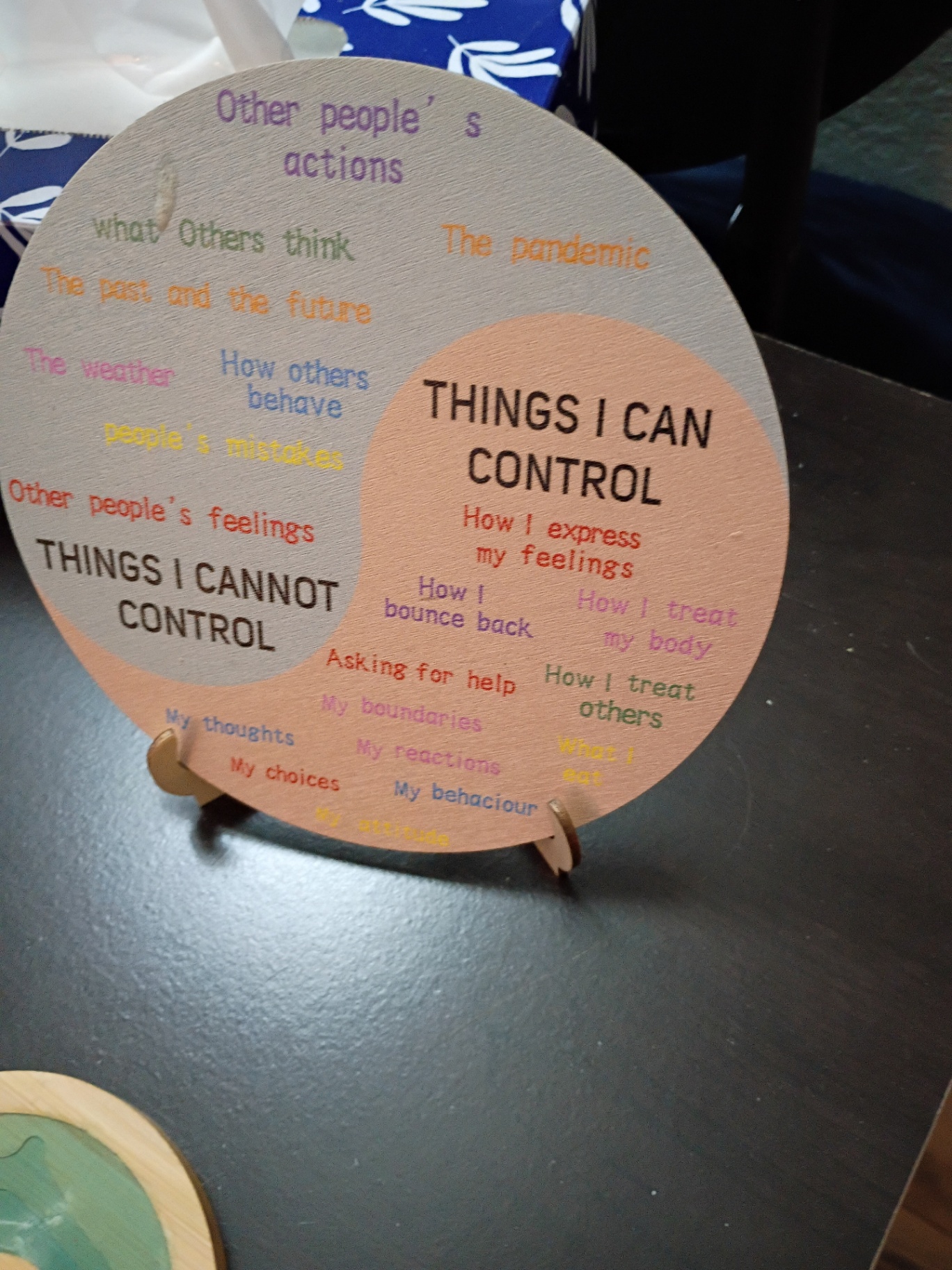
2. The Venn Diagram of Control
There is a lot we can't control. We can't control anti-LGBTQ legislation, and we can't control what some random person thinks in a Starbucks. But we can control our response to our own bodies.
3. Use the Emotion Wheel
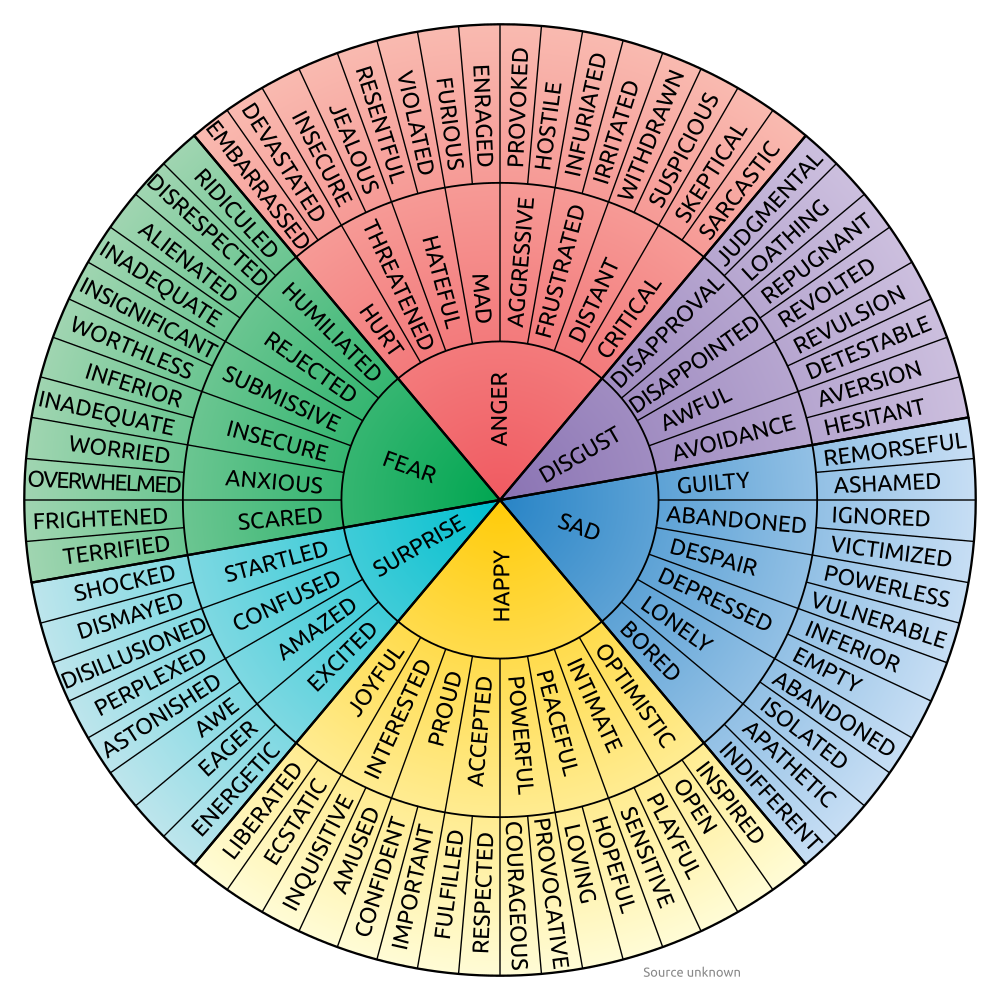
Hypervigilance often masks other feelings. Are you actually scared? Or are you lonely? Are you angry? Using an Emotion Wheel can help you bypass the "threat" response and get to the core of what you need.
4. Find "Safe Enough" Spaces
We often search for "perfectly safe" spaces, but those rarely exist. Instead, look for "safe enough" spaces. This might be your chosen family, a specific discord server, or a therapist’s office where you don't have to explain the basics of your existence.
Moving Toward Internal Peace
The goal isn't to get rid of hypervigilance entirely. Honestly, in the world we live in, a little bit of vigilance is practical. The goal is to make it a choice rather than a default setting.
You deserve to exist in a body that doesn't feel like a crime scene. You deserve to walk down the street and think about what you want for dinner, rather than calculating the exit paths of every building you pass.
At Byrnes Counseling Group, we don't just "tolerate" your journey; we’ve walked the path. Whether you are dealing with the grief of a boyhood that didn't happen or the exhaustion of performing "perfect" femininity to stay safe, we get it.

If your brain still feels like it’s on trial, maybe it’s time to change the venue. You don’t have to defend your right to exist anymore. The verdict is already in: You are allowed to be here. You are allowed to be at peace.
If you're feeling stuck in that "sympathetic overdrive" and need a hand navigating the return of doubt, reach out. We specialize in trans and neurodivergent-affirming care, because we know that healing happens best when you don't have to spend the first ten sessions educating your therapist.
Let’s help that bodyguard of yours finally take a lunch break.