
Let's be real for a minute, being LGBTQ+ in 2025 feels like running a marathon while someone keeps moving the finish line. And if you're in Florida? Well, you're basically running that marathon uphill, in the rain, with legislators throwing obstacles at you every few miles.
As a trans therapist who's been in this community for years, I've seen firsthand how our folks are carrying burdens that go way beyond typical "work stress" or "life is hard" burnout. We're dealing with what researchers call minority stress: the chronic stress that comes from living in a society that constantly questions your right to exist, love who you love, or be who you are.
And here in the Sunshine State, that stress has been cranked up to eleven with the relentless legislative attacks on our community. It's what some scholars call the "weathering effect": the way constant exposure to discrimination and hostility literally wears down our bodies and minds over time.
So how do you know when you've crossed from "just tired" into territory where professional support might help? Here are five signs that LGBTQ+ burnout might be taking a bigger toll than you realize.
1. You're Running on Empty, No Matter How Much You Rest

This isn't your garden-variety "I had a long week" exhaustion. We're talking about the bone-deep tiredness that comes from constantly having to navigate a world that wasn't built for you. You know what I mean: that feeling when you wake up already tired, even after sleeping for eight hours.
LGBTQ+ burnout creates what researchers call "chronic mental and emotional exhaustion" that stems from living in a heterocisnormative culture. It's the fatigue that comes from code-switching all day, monitoring your safety, explaining your identity, and fighting for basic respect and recognition.
Your nervous system is essentially stuck in survival mode, which is exhausting work. And unlike regular tiredness, this doesn't go away with a weekend of Netflix and takeout (though those things definitely help sometimes).
If rest isn't restoring you anymore, and you're feeling drained almost constantly, that's your mind and body telling you they need more support than a good night's sleep can provide.
2. The Things You Used to Love Feel Like Chores
Remember when going to Pride events felt energizing? When hanging out with your chosen family was the highlight of your week? When you actually looked forward to that hobby you used to be obsessed with?
Burnout has this sneaky way of stealing the joy from activities that used to light you up. Suddenly, everything feels like an obligation. Social events feel draining instead of energizing. That creative project you were excited about sits untouched while you scroll through your phone instead.
This is especially common in our community because so much of our social life can feel intertwined with identity and activism. When you're burned out, even being around other LGBTQ+ folks can start to feel heavy: not because you don't love your community, but because every gathering becomes a reminder of all the ways the world is trying to grind us down.
If you're going through the motions with things that used to bring you genuine happiness, that's a signal worth paying attention to.
3. You Feel Like You're Playing Hide and Seek with Your Own Identity

One of the most soul-crushing aspects of LGBTQ+ burnout is feeling like you have to constantly manage how much of yourself you reveal in different spaces. Maybe you're switching pronouns at work, avoiding certain topics with family, or finding yourself automatically scanning every new environment for safety.
This emotional labor is invisible but intense. It's the mental energy spent calculating whether it's safe to hold your partner's hand in public, or the exhaustion that comes from being the only out person in your workplace and feeling like you have to represent the entire community perfectly.
What we call "coming out fatigue" is real: that feeling of being tired of constantly having to explain or defend your identity, especially without adequate support. When you're spending significant energy hiding parts of yourself or constantly advocating for basic understanding, that takes a toll.
As someone who's navigated my own transition journey, I know how exhausting it can be to feel like you're constantly performing for other people's comfort instead of living authentically for your own wellbeing.
4. Your Patience Has Left the Building
Has anyone else noticed they've become the person who gets annoyed at everything lately? Your tolerance for everyday frustrations feels non-existent, you're snapping at people you love, and the state of the world (looking at you, Florida legislature) makes you want to scream into a pillow?
Burnout often shows up as increased irritability, cynicism, or that creeping sense of hopelessness that feels hard to shake. Your emotional regulation is probably shot, which makes sense: you've been operating in crisis mode for too long.
This is especially true for those of us dealing with what I like to call "activism fatigue." When every day brings new attacks on our community, when you feel like you have to be politically engaged just to protect your basic rights, it's normal to feel overwhelmed and angry.
You might find yourself feeling resentful without a clear cause, or developing a "what's the point?" attitude about things that used to motivate you. These emotional shifts are your system's way of saying it needs relief and support.
5. Identity Questions Are Consuming Your Mental Energy
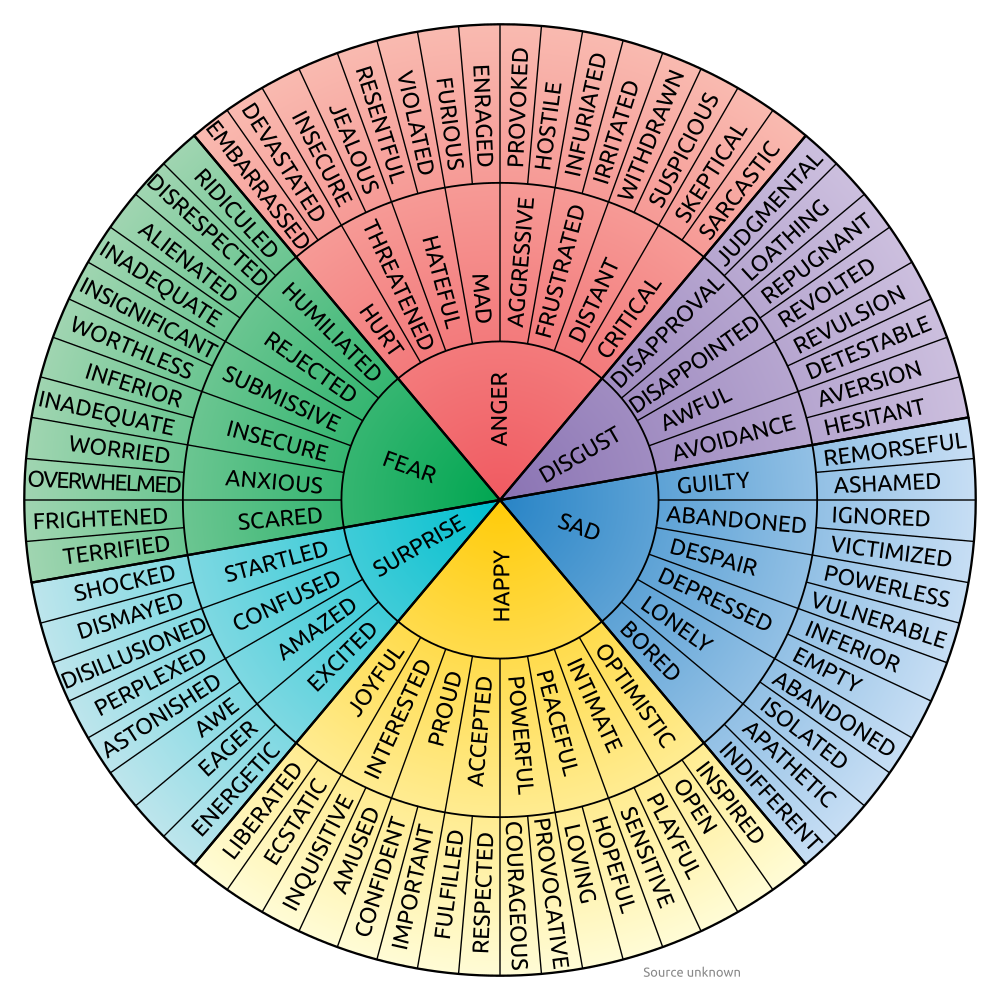
Burnout has this way of making everything feel uncertain and overwhelming, including your relationship with your own identity. Maybe you're questioning aspects of yourself that felt settled, or you're struggling with next steps in your transition journey, or you're feeling disconnected from the community you thought was home.
You might be dealing with impostor syndrome, wondering if you're "queer enough" or "trans enough," especially when you're too tired to engage with community spaces as much as you used to. Or perhaps you're feeling undervalued in relationships and wondering if you're putting in all the emotional work while getting little in return.
These feelings of being "less than" or constantly questioning your worth are red flags that deserve attention. When burnout mixes with identity questions, it can create a particularly challenging mental health cocktail that benefits from professional support.
When Burnout Meets Florida's Political Reality
Let's address the elephant in the room: living as an LGBTQ+ person in Florida right now is like trying to build a house while someone keeps moving the foundation. The constant legislative attacks, the bathroom bills, the restrictions on healthcare access, the targeting of our kids in schools: it all adds up to create what researchers call "minority stress."
This isn't just about individual resilience anymore. We're dealing with systemic oppression that creates real psychological and physical health impacts. The "weathering effect" I mentioned earlier? It's not just a concept: it's what happens when your body stays in fight-or-flight mode for extended periods.
As a trans-led practice, we understand these unique pressures because we live them too. I'm not observing this community's struggles from the outside: I'm right here in the trenches with you, dealing with the same legislative nonsense and social challenges.
Getting Support That Actually Gets It

Here's what I want you to know: seeking therapy for LGBTQ+ burnout isn't admitting defeat. It's recognizing that you're dealing with more than individual stress: you're navigating systemic oppression, and that requires specialized support.
Working with a therapist who understands minority stress, identity development, and the unique challenges facing our community can be game-changing. We get the intersection of trauma, identity, neurodivergence, and the daily reality of being LGBTQ+ in a hostile political climate.
Whether you're dealing with one of these signs or all of them, you deserve support that meets you where you are without judgment. EMDR therapy can be particularly helpful for processing the trauma that often underlies burnout, while affirming therapy approaches help you reconnect with your authentic self and build sustainable coping strategies.
You're Not Broken: You're Human
The most important thing I can tell you is this: if you're experiencing LGBTQ+ burnout, you're not broken or failing. You're a human being trying to thrive in systems that weren't designed for your success. The fact that you're here, reading this, thinking about your mental health: that's already a form of resistance and self-care.
Your exhaustion is valid. Your frustration is justified. Your need for support is legitimate. And most importantly, there are paths forward that honor your identity while helping you build the resilience to keep showing up as yourself in this world.
If any of these signs resonated with you, consider reaching out to explore how therapy might support your journey. You don't have to navigate this alone, and you deserve care that sees all of who you are.