Here we go again. Another January in Florida, another legislative session gearing up to make our lives the subject of political theater. If you’re feeling that familiar knot in your stomach as bills like the Pride Flag ban and HB 641 start making headlines, you’re not alone. That anticipatory dread? The way your shoulders tense up every time you see “Florida legislature” trending on social media? That’s a completely normal response to what feels like an annual tradition of being targeted.
As a trans therapist who’s been through multiple rounds of this exhausting cycle, I get it. And more importantly, I want you to know that feeling overwhelmed, angry, or emotionally drained before the session even really kicks into gear doesn’t make you weak, it makes you human.
The Stress Is Real (And So Is Your Response To It)
Let’s start by calling this what it is: anticipatory trauma. Your nervous system doesn’t distinguish between a bill that’s been filed and a bill that’s been passed. When you see headlines about workplace “belief protections” that would essentially give people permission to misgender you at work, or legislation to ban Pride flags from government buildings, your brain processes this as a threat. Because, honestly? It kind of is.
The thing about anticipatory stress is that it can actually be harder to manage than dealing with something that’s already happened. At least when you’re in crisis mode, you know what you’re fighting. With anticipatory stress, you’re shadow-boxing with “what ifs” and worst-case scenarios, and that’s exhausting work.

Your body might be responding with:
- Sleep disruption (hello, 3 AM doom-scrolling)
- Increased anxiety or panic attacks
- Difficulty concentrating at work or school
- More emotional reactivity than usual
- Physical symptoms like headaches or stomach issues
If any of this sounds familiar, please know that these are normal responses to abnormal circumstances. You’re not “overreacting”: you’re reacting appropriately to a genuinely stressful situation.
Information Boundaries Are Your Friend
One of the first things I tell my clients during legislative season is this: you do not have to be a 24/7 news monitor to be a good advocate for yourself or your community. In fact, constant news consumption often makes us less effective advocates because we’re operating from a place of panic rather than strategic thinking.
Try setting some boundaries around news consumption:
The Daily Check-In Method: Pick one time per day (maybe with your morning coffee or after dinner) to catch up on legislative news. Set a timer for 15-20 minutes, and when it goes off, you’re done for the day.
Trusted Source Strategy: Rather than getting news from wherever it pops up on social media, identify 2-3 trusted sources for legislative updates. This might be advocacy organizations like Equality Florida or journalists who specialize in LGBTQ+ issues.
The Friday Digest Approach: Some people prefer to do a weekly roundup rather than daily check-ins. Fridays work well for this because it gives you the weekend to process without immediately having to face a work week.
Remember: being informed and being constantly overwhelmed are not the same thing. You can care deeply about these issues without sacrificing your mental health to stay hypervigilant.
Grounding Techniques That Actually Work
When the anxiety starts spiraling, you need tools that bring you back to the present moment. Here are some of my favorites:
The 5-4-3-2-1 Technique: Name 5 things you can see, 4 things you can touch, 3 things you can hear, 2 things you can smell, and 1 thing you can taste. This interrupts the anxiety spiral and grounds you in your immediate environment.
Temperature Shifts: Keep ice cubes in your freezer or run cold water over your wrists. The temperature change activates your vagus nerve and can help regulate your nervous system quickly.
The “Future Me” Check-In: When you’re catastrophizing about potential legislation, ask yourself: “What would I tell a friend who was feeling this way?” Often, we’re much kinder and more rational when we’re supporting others than when we’re in our own anxiety spiral.
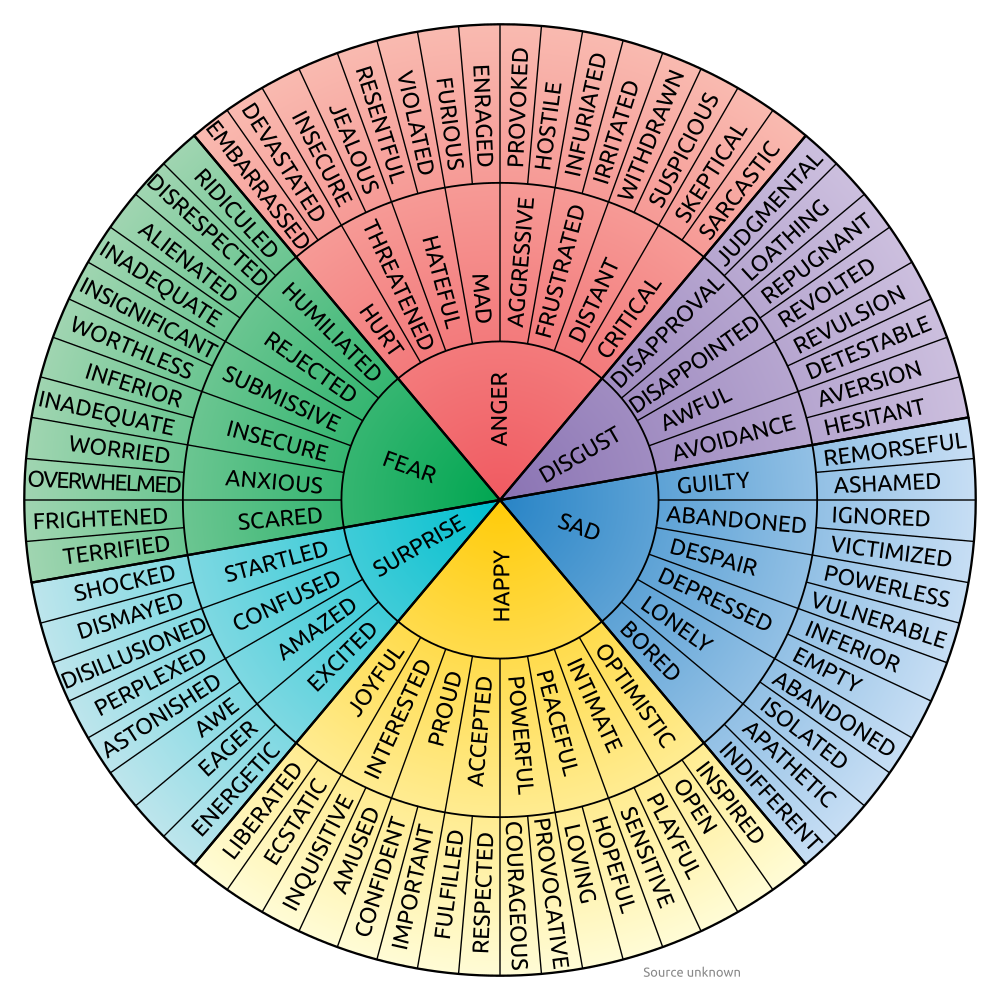
Sometimes it helps to get specific about what you’re feeling. The emotion wheel can be a useful tool for moving beyond “I feel bad” to “I feel frustrated and powerless, with some grief mixed in.” When you can name it more precisely, you can address it more effectively.
Community Connection As Medicine
One of the most insidious effects of anti-LGBTQ+ legislation is how it can make us feel isolated and alone. That’s partly by design: isolated people are less likely to organize and advocate for themselves. But here’s what I’ve learned from years of doing this work: community connection isn’t just nice to have during these times, it’s medicine.
This doesn’t mean you have to become a political activist if that’s not your thing. Community connection can look like:
Chosen Family Check-Ins: Regular coffee dates, group chats, or even just texting to see how everyone’s doing. Sometimes the most radical act is simply maintaining your relationships and joy in the face of efforts to diminish you.
Mutual Aid Networks: Getting involved in practical support for community members who might be more immediately impacted by potential legislation. This gives you agency and purpose while building connections.
LGBTQ+ Spaces: Whether it’s a local community center, a book club, a hiking group, or just a regular dinner gathering, being in spaces where your identity is affirmed and celebrated provides a buffer against outside negativity.
Online Communities: If you don’t have local options, online spaces can provide connection and support. Look for moderated groups that prioritize member wellbeing over constant crisis mode.
Finding Agency in Uncertain Times
One of the hardest parts of legislative threats is the sense of powerlessness they create. You can’t single-handedly stop HB 641 from being filed, but you absolutely have agency in how you respond to it and how you take care of yourself through it.

Micro-Activism: This might look like making sure you’re registered to vote, following local candidates who support LGBTQ+ rights, or even just posting affirming content that helps other community members feel less alone.
Personal Advocacy: Practice using your voice in low-stakes situations so it’s easier to use in high-stakes ones. This might mean correcting someone’s pronouns for a friend, speaking up about inclusive policies at work, or simply modeling authentic self-expression.
Protective Factors: Build up the areas of your life where you do have control. This might be your living space, your friend group, your creative pursuits, or your physical health. Think of these as creating a strong foundation that external threats can’t easily shake.
Professional Support: There’s no shame in getting therapeutic support during challenging political times. As someone who works with LGBTQ+ folks navigating legislative stress regularly, I can tell you that having a space to process these feelings with someone who gets it can be incredibly valuable.
Remember: You’ve Survived This Before
If you’ve been in Florida (or really, anywhere in the South) for the past few years, you’ve already survived multiple rounds of legislative attacks. You’ve weathered “Don’t Say Gay” bills, bathroom restrictions, sports bans, and healthcare limitations. I’m not saying this to minimize the real impact these laws have had, but to remind you of something important: you are more resilient than you probably give yourself credit for.
That resilience doesn’t mean you have to be strong all the time, or that you should just “push through” without support. It means you have evidence that you can adapt, that you can find ways to protect your wellbeing and maintain your joy even when the political landscape is hostile.
Moving Forward Together
As we head into another legislative session, remember that your worth isn’t up for debate, no matter what bills get filed. Your right to exist authentically isn’t contingent on political outcomes. And your wellbeing matters: not just as a tool for advocacy, but for its own sake.
We’re going to get through this together, one day at a time. Some days will be easier than others, and that’s okay. The goal isn’t to feel confident and unshakeable every moment: it’s to build sustainable practices that help you maintain your equilibrium over the long haul.
Your mental health matters. Your peace matters. Your joy matters. And you deserve support as you navigate whatever this legislative session brings.
If you’re looking for therapeutic support specifically designed for LGBTQ+ folks dealing with these kinds of stressors, we’re here. Sometimes having a space to process with someone who understands both the political landscape and your lived experience can make all the difference.
Take care of yourselves, and each other. We’ve got this.