
If you’ve ever stayed up until 3:00 AM obsessing over the font choice in a slide deck, or felt your heart drop into your stomach because you made a minor social faux pas, you know the vibe. It’s that relentless, buzzing voice in the back of your head that says, "If I’m not perfect, I’m not okay."
At Byrnes Counseling Group, we talk a lot about the "why" behind our behaviors. And for our community, especially for those of us who are LGBTQ+, neurodivergent, or trauma survivors, perfectionism isn't just about being a "type A" overachiever. It’s actually a survival strategy. It’s armor.
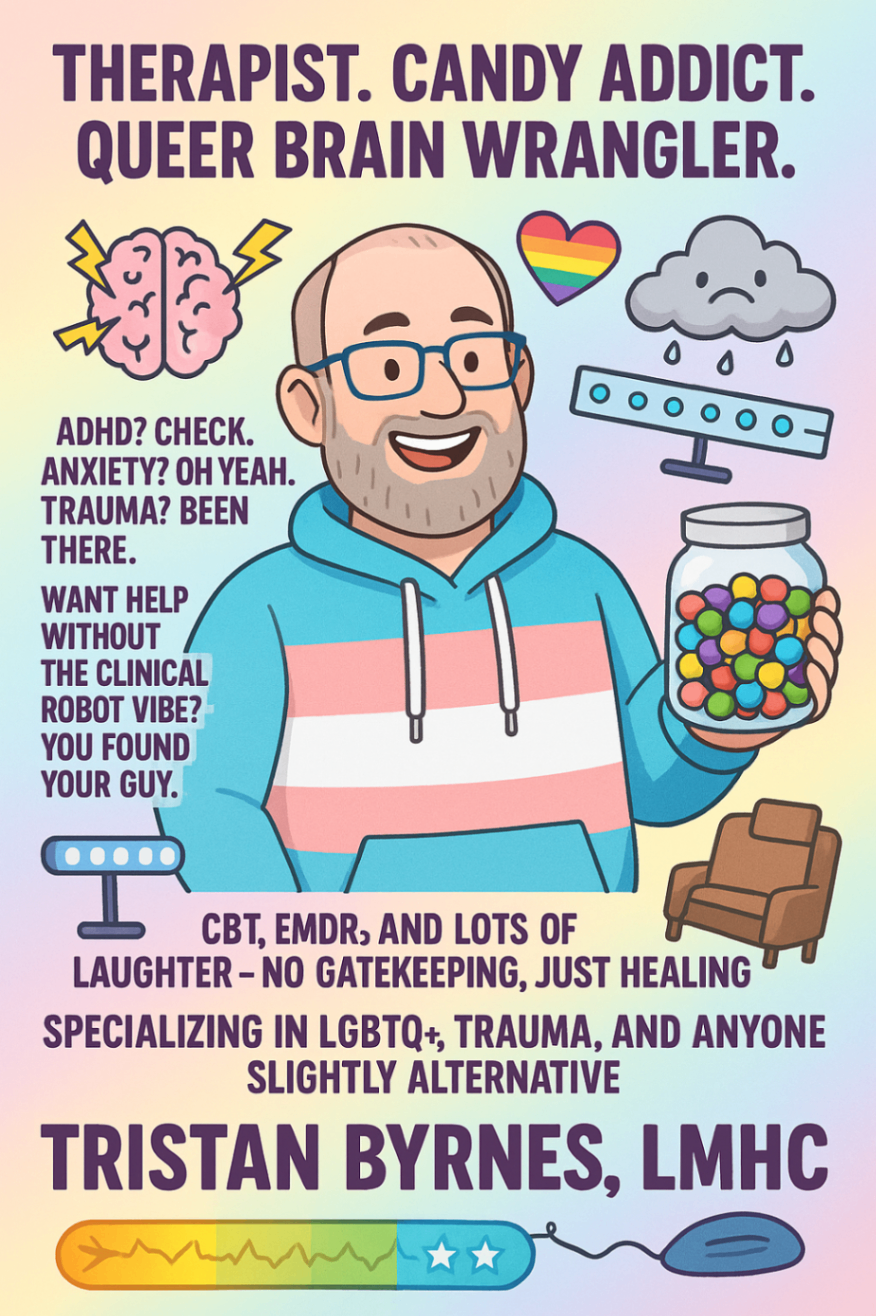
As a trans-identified therapist and the co-founder of this practice, I’ve worn that armor. I know exactly how heavy it gets. I also know that when you’ve spent your whole life trying to be "good enough" just to stay safe, the idea of "letting go" feels less like self-care and more like walking into a storm without a coat.
Welcome to part one of our series on Perfectionism and Shame. Let’s talk about why excellence feels like the only thing keeping us safe.
The Survival Math: Why Perfectionism is Practical
When we look at perfectionism through a trauma-informed lens, it stops looking like a personality quirk and starts looking like a brilliant (if exhausting) defense mechanism.
For many of us, childhood taught us a very specific equation: Performance = Safety.
Maybe you grew up in a house where love was conditional on your grades. Maybe you lived in a chaotic environment where the only way to avoid an explosion was to be the "perfect" child who never caused trouble. Or maybe, as a queer or trans kid, you felt that if you were "the best" at everything else, people might overlook the parts of you that felt "wrong" or "shameful."
We learn early on that if we can control our output, we can control how people perceive us. If I am flawless, I am unassailable. If I am the best, they can't fire me. If I am perfect, they won't realize I'm actually struggling with my gender identity or that my ADHD brain is currently screaming.
The LGBTQ+ "Best Little Boy/Girl/Human" Syndrome
There is a specific kind of perfectionism that runs through the LGBTQ+ community. It’s the drive to over-identify with success to compensate for the "debt" we feel we owe for being "different."
Think about it: when the world tells you that your very existence is a problem, the natural response is often to try and be "the solution." We become the highest achievers, the most helpful friends, and the most tireless activists. We use excellence as a shield to deflect judgment.
But here’s the kicker: that armor is incredibly heavy. When you use perfection to hide your identity or to make your transition more "palatable" for others, you aren't actually being seen. You're just being successful. And success without being seen is a very lonely place to live. I often talk to clients about grieving the girlhood (or childhood) they didn't have, and a big part of that grief is realizing how much of our younger selves we sacrificed at the altar of "being perfect."
Neurodivergence and the Mask of Excellence
For neurodivergent adults, perfectionism often looks like extreme masking. If your brain works differently, if you have ADHD or you’re Autistic, the world has likely been telling you since you were five years old that you are "too much," "not enough," or "doing it wrong."
To survive, many of us develop a "perfection-or-bust" mindset. If we can't do it perfectly, we won't do it at all (hello, executive dysfunction and procrastination). Or, we over-prepare and over-work to make sure nobody notices that we're actually struggling to keep up with the "simple" things.
We call this hypervigilance as protection. Your brain is literally on trial, and perfectionism is your defense attorney. You feel like you have to be ten times better than everyone else just to be considered "normal." This is where ADHD stigma hits the hardest: we internalize the idea that our natural way of being is a failure, so we "over-correct" into a state of permanent burnout.

The Cost of the Shield
Here is the truth: armor is great for a battle, but it’s a terrible thing to sleep in.
When you live behind the armor of perfection, you experience a few "side effects" that eventually become unbearable:
- Chronic Burnout: You are running a marathon at a sprinter’s pace, every single day.
- Paralyzing Fear of Failure: Because your safety is tied to your performance, a mistake feels like a literal threat to your life.
- The "Imposter" Feeling: Even when you succeed, you don't feel good because you know it was the armor that succeeded, not the real you.
- Disconnection from the Body: You stop listening to what you need (rest, food, joy) because you’re too busy listening to what the "perfect" version of you should be doing.
In a state like Florida, where the current political climate can feel like a constant assault on our identities, the urge to "perform" safety is even higher. We feel like we have to be the "perfect" representatives of our community just to survive the legislative noise. It's a lot to carry.
Shifting from "Perfect" to "Safe Enough"
At Byrnes Counseling Group, we’re a trans-led practice. We don't just look at these symptoms from a textbook; we live them. We know that you can't just "stop" being a perfectionist overnight. Your brain thinks it's keeping you alive!
So, we don't start by taking the armor off. We start by acknowledging that the armor served a purpose. We thank it for keeping us safe when things were scary. And then, slowly, we start to see if we can unbuckle just one piece of it.
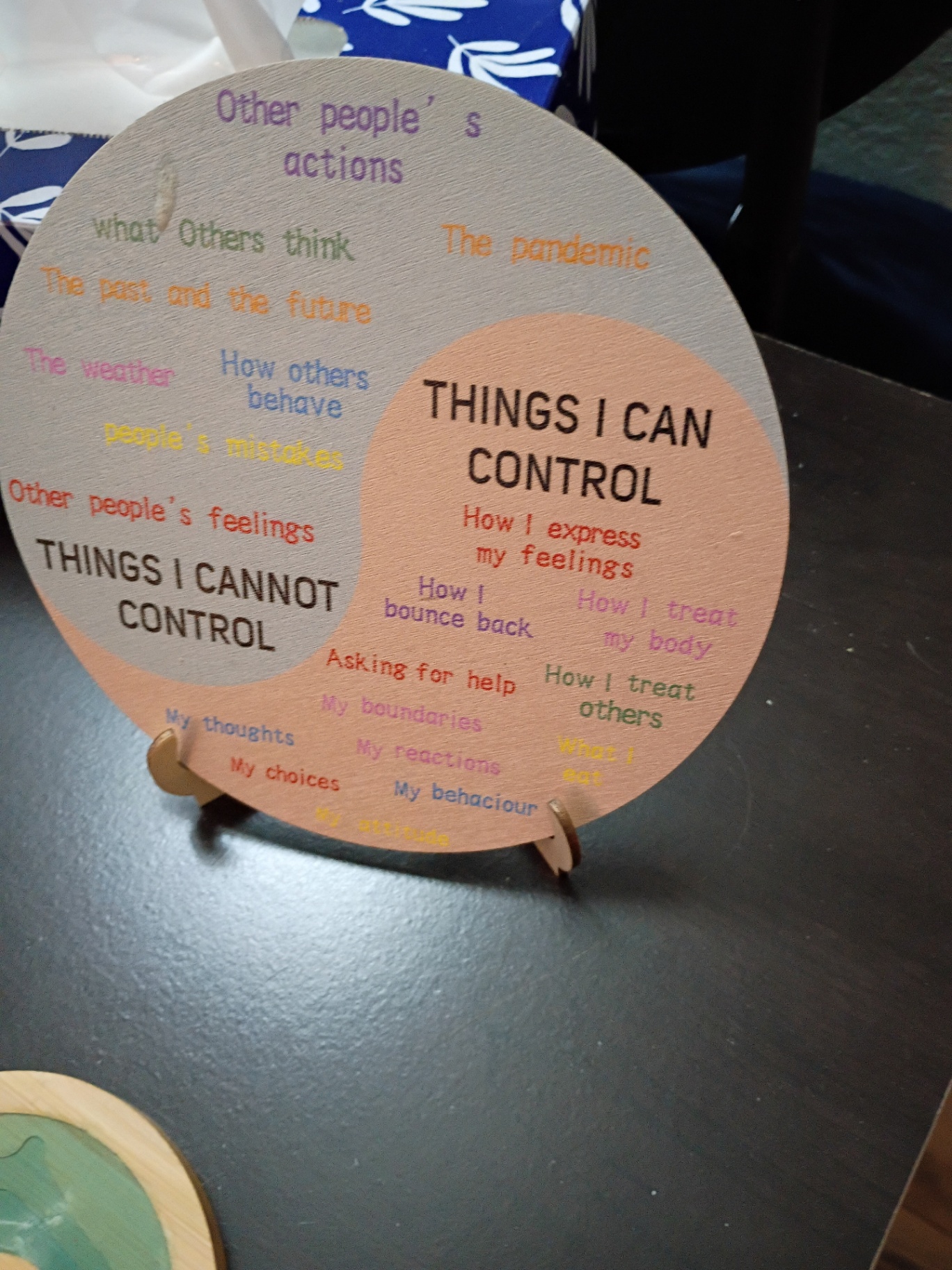
Healing the "need to be perfect" usually involves a few things:
- Trauma-Informed Care: Understanding that your perfectionism is a response to past hurt, not a character flaw.
- EMDR Therapy: Sometimes, the "not enough" feeling is stuck in our nervous system. EMDR can help process those old memories so your brain stops sounding the alarm every time you make a typo.
- Self-Compassion (The Radical Kind): Learning to be "good enough" is a revolutionary act in a world that profits off your insecurity.
What’s Next?
Perfectionism is the shield, but shame is the thing we’re trying to hide behind it. In our next post, we’re going to dive deep into the "S-word." We’ll look at how shame keeps us locked in that perfectionist loop and how we can start to dismantle it.
If you’re feeling exhausted from carrying that armor, I want you to know that you don't have to do it alone. You are allowed to be messy. You are allowed to be "in progress." And you are definitely allowed to be human.
If you're ready to start exploring what life looks like without the weight of "perfect," our team of therapists is here to help. We’ve got the fidget toys, the cozy chairs, and zero judgment.
Stay tuned for Part 2: The Shame Spiral: Why "Good Enough" Feels So Scary.
In the meantime, take a breath. You don't have to win the day today; you just have to exist in it. That’s more than enough.
Need to talk? We’re here. Contact Byrnes Counseling Group today to schedule a session in our affirming, inclusive space.