
Have you ever been walking through a store, caught a glimpse of those colorful, glittery hair clips or a specific style of dress, and felt a sudden, sharp sting in your chest? It’s not quite jealousy, and it’s not exactly sadness, it’s more like a phantom limb. It’s the ache for a childhood you never got to live, a girlhood that was sidelined, suppressed, or simply skipped over because the world didn’t know who you were yet.
If you’ve felt this, I want you to take a deep breath. You aren't "crazy," you aren't being "dramatic," and most importantly, you aren't "late."
At Byrnes Counseling Group, we talk about this a lot. As a trans-led practice, we don't just look at transition as a forward-moving medical or social process. We look at it as a deeply emotional, retrospective journey. I’m Tristan, and as a trans-identified therapist, I can tell you from both sides of the couch: grieving the girlhood you didn't have is a foundational part of healing.
The "Late" Myth: Why Your Timeline is Exactly Right
One of the biggest hurdles we face in the trans community is the "narrative of the early bloomer." You know the one, the stories of kids who knew at age three, transitioned at five, and had a seamless trajectory into adulthood. While those stories are beautiful and valid, they can make the rest of us feel like we missed the bus.
If you figured things out at 25, 45, or 65, there’s often this nagging voice saying, "You’ve wasted so much time. You missed the best parts."
But here’s the truth: You can’t be late to your own life.
Grief doesn't care about the clock. When we talk about "developmental gaps," we aren't saying you’re behind; we’re saying you were denied the environment to grow in the way you needed to. You survived. You adapted. And now that you’re in a place of safety, your brain is finally allowed to look back and say, "Hey, that really sucked that I didn't get to be a Girl Scout," or "I wish I’d had a Sweet Sixteen."
That isn't being "late." That is your nervous system finally feeling safe enough to process the loss.
Why We Grieve What Never Happened
Usually, we think of grief as something that happens when we lose something we had: a loved one, a job, a home. But "disenfranchised grief" is the pain of losing something you were supposed to have but were denied.
For trans women and transfeminine folks, girlhood is often a series of missed milestones:
- The ritual of learning how to braid hair with friends.
- The awkward, beautiful chaos of a first "girls' night" sleepover.
- The specific social safety of female friendships in adolescence.
- The simple freedom of being "one of the girls" without a second thought.
When you transition later in life, you aren't just navigating the present; you’re navigating the vacuum left by those missing years. Research shows that grief is uniquely situated across physical, psychological, and emotional realms. It isn’t linear. You might feel totally fine one day and then be absolutely leveled by a commercial for prom dresses the next.
That’s okay. In fact, it’s sacred. It’s a reconnection to a younger version of you that is finally being seen.
A Moment of Reflection (The Workbook Bit)
I want you to stop reading for a second. If you’re in a safe spot, close your eyes. Think back to "Little You": the version of you that was 8, 10, or 12 years old.
- What was one thing that version of you looked at with longing?
- Was it a specific toy? A way of moving through the world? A certain outfit?
- How does it feel in your body right now to acknowledge that longing?

Grief is equal parts sadness and healing. By acknowledging what was lost, you are actually honoring that younger version of yourself. You’re telling her, "I see you. I know you were there. And I’m so sorry you had to wait."
At Byrnes Counseling Group, we use tools like EMDR therapy to help process these "developmental traumas." Sometimes, the trauma isn't a single "bad event": sometimes the trauma is the absence of the right life.
Separating Adaptation from the True Self
When we grow up in the "wrong" lane, we become experts at adaptation. We learn how to perform, how to hide, and how to survive. For many of us, our "boyhood" was actually a highly skilled survival performance.
The grieving process involves unpeeling that performance. It’s about realizing that the "you" who existed back then wasn't a different person: she was a person in hiding.
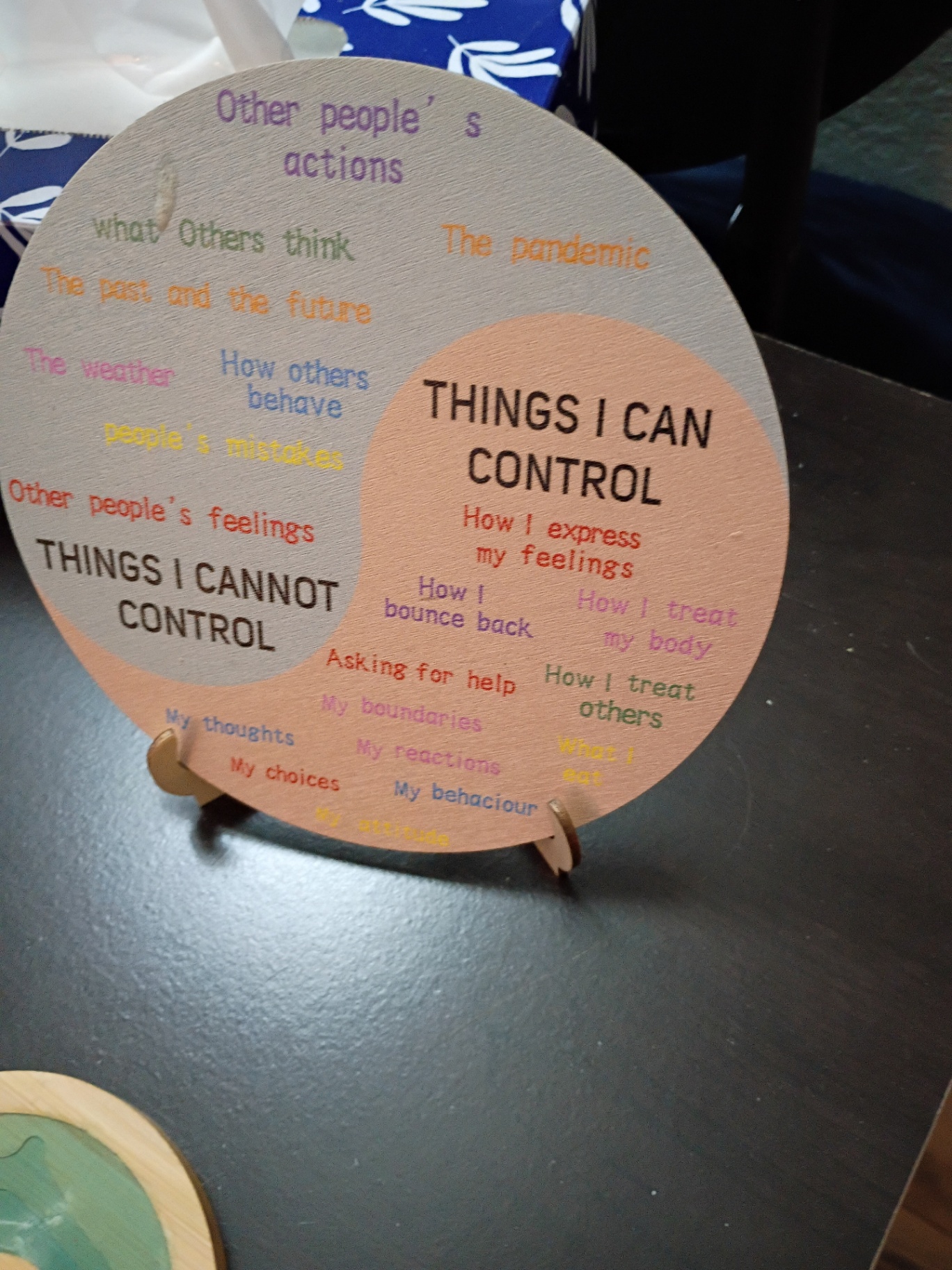
It’s helpful to look at what you could control versus what you couldn't. You couldn't control the society you were born into or the expectations placed on you. You can control how you treat that inner child now.
Reclaiming the Girlhood You Missed
Healing doesn't mean building a time machine. (If it did, I’d have a lot more hair and a lot fewer bills). Healing means finding ways to integrate those missed experiences into your life today.
Some people call this "Second Adolescence," and it can look a little messy. It might mean buying the "juvenile" things you missed out on. It might mean being "too much" for a little while as you figure out your style. It might mean having a sleepover with your chosen family and doing face masks while watching bad movies.
Is it "cringe"? Maybe to some people. But to us? It’s vital. It’s reclaiming the joy that was stolen.
If you’re struggling with this, you might find our resources on gender identity training and education or our blog posts for the LGBTQ community helpful. We focus on these nuances because we live them.
Why a Trans-Led Practice Matters
When you go to a therapist who hasn't lived the experience, you often spend half the session explaining why it hurts to have missed out on a middle school dance. You have to justify your grief.
In a trans-led space like ours, we get it. We know that the grief isn't just about "clothes": it’s about the fundamental human right to be seen and socialized as yourself during your formative years.
Whether you’re just starting to explore these feelings or you’ve been "out" for years and the grief is suddenly hitting you, we’re here. Our team of therapists is dedicated to providing an affirming, no-gatekeeping environment where your timeline is respected.
You Are Your Own Best Advocate
As you move through this week, try to be gentle with yourself. If the grief pops up, don't shove it back into a box. Let it sit with you for a minute.
Ask yourself: "If I could give my younger self one thing today, what would it be?"
Maybe it’s a specific affirmation. Maybe it’s permission to stop trying so hard to "catch up." Maybe it’s just a quiet moment of peace.
You didn't "miss" your life. You’re living it right now, and the fact that you’re here, doing this work, is proof of your incredible resilience. You survived the years you didn't have so that you could finally enjoy the years you do.
If you’re ready to dive deeper into your own story, feel free to check out our FAQ or contact us to see how we can support your journey.

Remember: The girl you were supposed to be isn't gone. She’s right here, finally getting the chance to breathe. Let’s make some room for her.