If you’re reading this from a porch in Pensacola or a coffee shop in Miami, you already know: March in Florida hits different. Usually, we’re bracing for the first wave of humidity and the inevitable spring break chaos. But for those of us in the trans and neurodivergent communities, March has become synonymous with something much heavier, the legislative session in Tallahassee.
I’m Tristan Byrnes, and as a trans-identified therapist and co-founder of Byrnes Counseling Group, I’m right there in the trenches with you. I know what it’s like to scroll through the news and feel that familiar tightening in your chest. When the state government starts debating your right to exist, work, or access healthcare, it isn’t just "politics", it’s personal. And when you’ve got a neurodivergent brain (hello, fellow ADHDers and Autists!), that legislative noise doesn’t just hum in the background; it screams.
Today is March 2, 2026. The 2026 legislative session is in full swing, and there’s a lot of "noise" out there. And I want to say this clearly up front: a lot of what you’re hearing right now is still in the proposal stage. Bills get filed, amended, swapped, stalled, combined, quietly dropped, or loudly reshaped. The uncertainty is real—and also, nothing is “official” until it actually passes and is signed.
Let’s break down what’s being proposed, why the uncertainty feels so intense for our spicy-brained community, and how we can get through this session without losing our minds.
The 2026 Legislative "Playlist": What’s Being Proposed (and Why It Feels So Loud)
It feels like every year there’s a new set of acronyms to worry about. And during session, it can start to feel like every headline is written in the key of Panic.
A grounding reminder: most of what you’re seeing right now is proposed legislation. Bills can change fast. Some move forward. Some don’t. Some get amended into something completely different. So while it’s smart to pay attention, you don’t have to treat every alert like it’s already law.
That said, here are a few proposals creating a lot of uncertainty:
One of the biggest head-splitters right now is HB 641/SB 1642. As proposed, this bill takes the "Don't Say Gay or Trans" framework and expands it into government workplaces and even some private businesses. The concern is that it could shield people who intentionally misgender or harass trans coworkers, making it harder for inclusive companies to maintain a safe environment. If you’re feeling a spike in "office anxiety" lately, it’s not just you: even the threat of policy shifts can make the workplace feel less stable. For a deeper dive on this, you can check out our post on HB 641 and workplace safety.
Then there’s the healthcare front. HB 743 is another proposal that’s hitting a lot of nervous systems hard. As it’s currently written, it targets providers who support trans people by creating a culture of fear—empowering the Attorney General to investigate and sue providers who offer gender-affirming care for minors. Even before anything is “final,” proposals like this can impact access because clinics and providers start planning for worst-case scenarios. This makes finding a therapist who actually understands even more critical, as many clinics are being forced to navigate a legal minefield just to keep their doors open.

(Minimalist, abstract, earthy illustration of smooth stone-like shapes and a simple leaf form—groundedness in the middle of uncertainty.)
Why It Hits Differently for the Neurodivergent Brain
If you are trans and neurodivergent, you’re playing life on "Hard Mode" right now. There’s a specific kind of burnout that happens when your identity is under fire and your executive functions are already stretched thin.
- Rejection Sensitivity Dysphoria (RSD): For many of us with ADHD or Autism, rejection doesn’t just hurt: it feels like a physical wound. When a state legislature passes a bill that targets your community, it can trigger a massive RSD flare-up. It feels like a collective, public rejection.
- Hyperfocus on the "Doomscroll": Our brains are wired for patterns and threats. It is incredibly easy to get stuck in a loop of reading every single update on SB 1134 or HB 1001, looking for a way to "solve" the problem. Before you know it, four hours have passed, you haven't eaten, and your cortisol levels are through the roof.
- Sensory Overload: The "noise" isn't just metaphorical. It’s the constant pings of news alerts, the heated debates on social media, and the increased tension in public spaces. For an overstimulated nervous system, this can lead to a total shutdown.
If you’re feeling that "double whammy" of being trans and neurodivergent, check out our guide on finding a therapist who understands both. You don't have to explain your basic existence and your brain wiring in the same breath.
Navigating the "Noise": A Survival Guide
So, how do we live our lives when the headlines are screaming? We can’t control Tallahassee, but we can control our "internal climate."
1. Curate a "Low-Information Diet"
I know, I know. You want to stay informed so you can stay safe. But there’s a difference between being informed and being inundated. Try checking the news only once a day: preferably not right before bed. Choose one or two reliable advocacy groups to follow rather than reading every random "hot take" on X (formerly Twitter).
2. Find Your "Glimmers"
In the neurodivergent community, we talk about "glimmers": the opposite of triggers. These are small moments of safety or joy. Maybe it’s a specific texture, a favorite hyperfixation, or a safe person who doesn't talk about politics. Make a conscious effort to seek these out. If you're struggling to find that sense of safety, our post on turning social anxiety into social safety has some great tips on building your "chosen family" bubble.
3. Seek Affirming Spaces (The Real Ones)
With proposals floating around that could impact things like workplace protections and inclusive training, the "safe" spaces might feel like they're shrinking—even when nothing is final yet. This is where community-led organizations become vital. Look for trans-led and neuro-affirming spaces where the "vibe" isn't just tolerance, but celebration. At Byrnes Counseling Group, we pride ourselves on being a trans-led practice. We don't just "tolerate" your identity; we share it.
Protecting Your Mental Health: Practical Steps
When the world feels like it's crashing down, the "basics" of mental health usually go out the window first. Here’s a quick checklist for when the legislative cycle gets too loud:
- Check your sensory environment: Is the lighting too bright? Is the news playing in the background? Is your clothing irritating you? Lower the sensory input to give your brain a break.
- Validate the anger: It’s okay to be mad. It’s okay to be scared. You aren't "unstable" for having a reaction to systemic transphobia. For more on this, read our 7 mental health strategies for anti-LGBTQ laws.
- Move the energy: Trauma and stress get stored in the body. Whether it’s a walk, a stim-session, or just some aggressive cleaning, get that "fight or flight" energy out of your muscles.

The Healthcare Hurdle
I’d be lying if I said the changes to healthcare weren’t concerning. Between the threats to providers in HB 743 and the defunding of local LGBTQ health initiatives in HB 1001, access is getting trickier.
However, there is a glimmer of hope. HB 681/SB 782, also known as the Healthcare Freedom Act, is worth keeping an eye on. It aims to restore healthcare access and remove barriers to transgender care. That said, it’s currently not moving at all in the Senate—so this is very much a “watch and wait” situation, not momentum we can count on yet. And again: this is still part of the session “churn,” not a done deal. While the "bad" bills get the most headlines, there are people fighting for us in those same halls—and there are also plenty of bills that never make it across the finish line.
If you’re feeling the weight of LGBTQ burnout, remember that your health: mental and physical: is your greatest act of resistance. Taking care of yourself is a political act.
Identifying Your Emotions
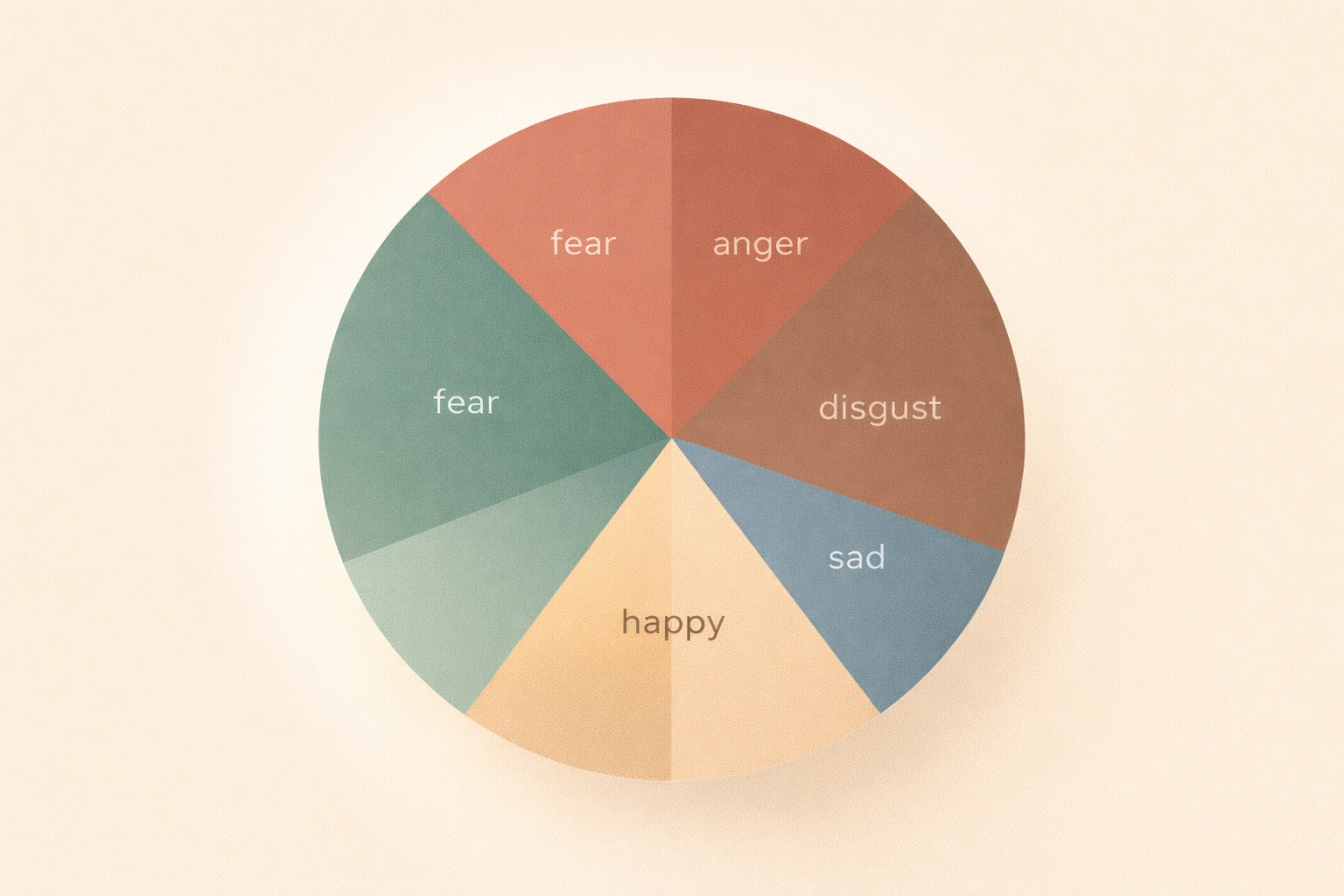
Sometimes, the "noise" just feels like a big, messy cloud of "bad." Using a tool like an emotion wheel can help you pinpoint if you’re feeling fear (about the future), anger (at the unfairness), or grief (for the loss of safe spaces). Pinpointing the emotion can make it feel a little more manageable.

You Are Not Alone in the Florida Fog
Being trans and neurodivergent in Florida in 2026 is an exhausting, wild ride. But here’s the thing: we have survived every "unprecedented" year before this one. We have a history of resilience that the legislative session can’t touch. From the Black LGBTQ figures who paved the way to the community members fighting today, we are part of a long, beautiful lineage.
If you’re feeling overwhelmed by the legislative noise, reach out. Whether it’s through therapy with a provider who actually gets it, or just connecting with your local community, don't try to carry this weight solo.
At Byrnes Counseling Group, we’re here to help you navigate the noise, manage the ADHD-fueled news spirals, and remind you that you are valid, you are seen, and you are not going anywhere.
Stay safe, stay spicy, and remember to turn off the news every once in a while. You deserve a break.