
Welcome back to Part 2 of our series, "The 'Why' Behind the Work." If you caught the last post, we talked about high-functioning anxiety and that frantic "internal hamster wheel" feeling. Today, we’re slowing things down, maybe a little too much. We’re talking about the heavy, sticky, "I can’t get out of bed" reality of depression.
We’ve all heard the well-meaning (but incredibly annoying) advice: "Just go for a walk!" or "Have you tried gratitude journaling?" or my personal favorite, "Maybe you just need some sun."
Look, I love a good walk as much as the next guy, and Vitamin D is great, but when you’re in the thick of clinical depression, those suggestions feel like trying to put out a forest fire with a water pistol. As a trans-identified therapist and the co-founder of Byrnes Counseling Group, I’ve been on both sides of the couch. I know that "the grey" doesn't care about your step count.
Today, let’s talk about why depression therapy is more than just a place to vent, it’s a literal game-changer for your brain.
Is It Just a Bad Day, or Is It Something More?
We all have "off" days. Maybe the Florida humidity finally broke you, or you’re feeling the weight of the latest legislative nonsense (which we’ve talked about here). Usually, a bad day lifts when the circumstances change. You get some sleep, you eat a taco, you see a friend, and the clouds part.
Depression is different. It’s a persistent, heavy fog that doesn’t leave just because the sun came out. It’s less about "feeling sad" and more about "feeling nothing at all."

Signs it might be more than "just a funk":
- Anhedonia: That’s a fancy clinical word for "the stuff I usually love feels like a chore." If your favorite video game or hobby feels like a burden, that’s a red flag.
- The "Lead Limb" Feeling: Your body literally feels heavy. Getting from the bed to the shower feels like running a marathon.
- Brain Fog: You can’t focus, you’re forgetful, and making a simple decision like "what's for dinner" feels like a crisis.
- Sleep Disturbance: You’re either sleeping 12 hours and still exhausted, or you’re staring at the ceiling at 3:00 AM wondering if you’ve ever actually been asleep in your life.
- The Internal Critic: Your brain is on a loop telling you that you’re a burden, you’re failing, or that things will never change.
If you’re nodding along to this, first of all: I see you. It sucks. But second: this is exactly where depression therapy comes in.
Why Therapy Hits Differently Than a Vent Session
I hear this a lot: "Why should I pay to talk to someone when I can just talk to my best friend for free?"
Don’t get me wrong, friends are vital. But your friends are biased. They love you, they want you to feel better right now, and they usually want to give you advice. Therapy isn't just a chat; it's a clinical intervention.
Research shows that about half of people improve significantly with psychotherapy alone. That’s a huge number! Unlike medication, which can be a literal lifesaver (no stigma here, meds are great tools), therapy actually teaches your brain new ways to process information.
When you engage in counseling, you aren't just getting things off your chest. You are:
- Identifying Thinking Patterns: Learning to catch those "distorted" thoughts (like "I’m a failure") and challenging them before they spiral.
- Building a Toolkit: Developing coping strategies that actually work for your specific brain, whether you’re neurodivergent, LGBTQ+, or just human.
- Relapse Prevention: This is the big one. Therapy helps you spot the "early warning signs" so you can take action before you’re back in the deep end.
The Trans-Led, Affirming Advantage
At Byrnes Counseling Group, we do things a little differently. As a trans-led practice, we understand that depression doesn’t exist in a vacuum. If you’re a member of the LGBTQ+ community, your depression might be tied to "minority stress", the chronic tension of living in a world that isn't always kind to us.
If you’re neurodivergent, your depression might actually be burnout from years of "masking" just to fit in. We’ve written about the weight of trying harder and how exhausting that can be.
When you come to us for depression therapy, you don’t have to explain your identity or your neurotype. You don't have to "educate" your therapist. We start from a place of affirmation, so we can get straight to the work of helping you heal.
Moving the Needle: Evidence-Based Approaches
We aren't just here to say "and how does that make you feel?" (though we do ask that occasionally). We use heavy-hitting, evidence-based tools to help shift the needle.
EMDR: Beyond Trauma
While many people know EMDR therapy as a treatment for PTSD, it is also a powerhouse for treating depression. Often, our depressive episodes are rooted in "small-t" traumas or negative core beliefs we formed years ago. EMDR helps your brain reprocess those stuck memories so they don't keep triggering a depressive response in the present.

Identifying Control
One of the hardest parts of depression is the feeling of powerlessness. We often use tools like the Venn Diagram of Control to help clients separate the "world stuff" they can't change from the "internal stuff" they can influence.
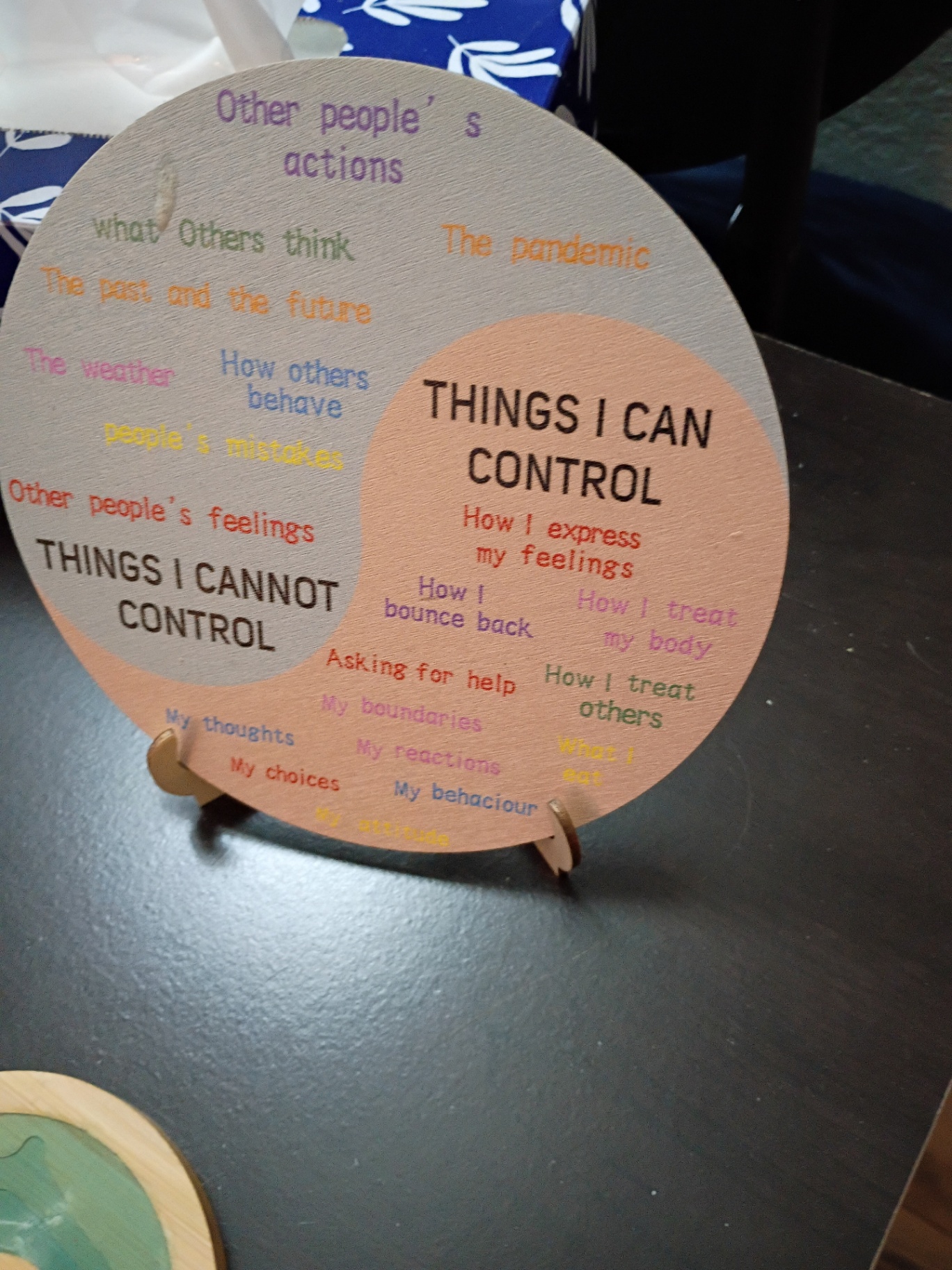
By focusing on what you can control, like setting a boundary or practicing a specific grounding technique, you start to reclaim your agency. You stop being a passenger in your own life.
Learning the Language of Your Emotions
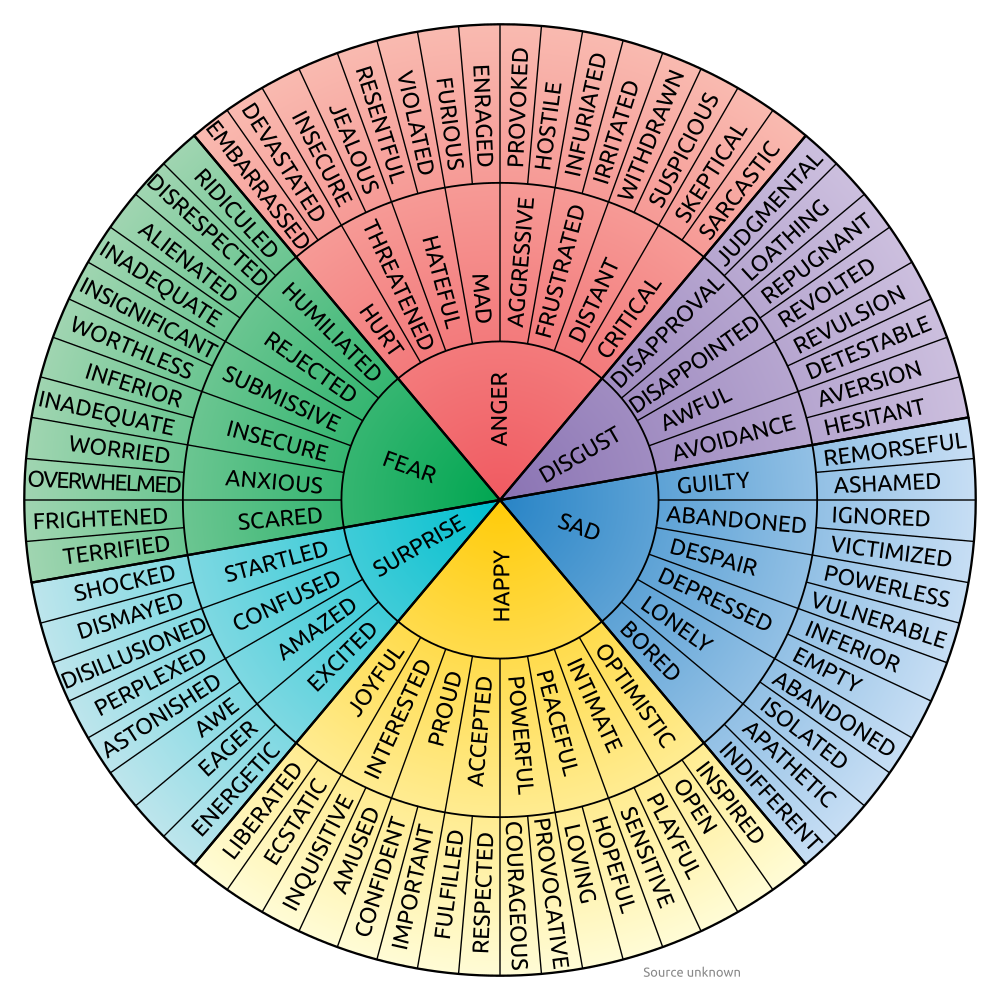
Depression often acts like a mute button on your emotions. You might feel "blah," but beneath that "blah" is a complex mix of grief, anger, or even fear. Using tools like an Emotion Wheel in our sessions helps you put words to the wordless.
When you can name a feeling, it loses some of its power over you. It’s the difference between being lost in a dark forest and having a map that says "You Are Here."
What Progress Actually Looks Like
Healing isn't a straight line. It’s messy. You might have a great week and then a Tuesday where you can’t get off the couch. That’s okay.
Most people start noticing a real shift within a few months of consistent therapy. It starts small: maybe you finally did the dishes, or you had a conversation where you didn’t immediately apologize for existing. These are the wins we celebrate.
At Byrnes Counseling Group, we aren't looking for "perfection." In fact, we’re big fans of the radical act of being "good enough". We want to help you get to a place where you feel resilient enough to handle the bad days without them turning into bad months.
Ready to Change the Game?
If you’re tired of the fog and you’re ready for a space that is affirming, a little bit nerdy, and deeply compassionate, we’re here for you. Whether you’re looking for depression therapy, EMDR, or just a therapist who actually "gets it," our team is ready to help.
You don’t have to do this alone. And you definitely don’t have to "just go for a walk" your way out of it.
Take the first step:
Let’s get you back to feeling like yourself: or maybe even a version of yourself that’s more empowered than ever before. You've got this, and we've got you.