We’ve spent the last couple of weeks digging into the heavy stuff: how perfectionism acts as a suit of armor we never asked for, and how the ADHD stigma cycle keeps us running on a hamster wheel of "not enough." If you’ve been following along, you’re probably exhausted. Honestly, just reading about this stuff can trigger that internal "I should be doing more to fix my perfectionism" loop, which is the ultimate irony.
So, let’s take a collective breath. Today isn't about adding another item to your "to-do" list of self-improvement. It’s about the opposite. It’s about the radical, slightly terrifying, and ultimately life-saving act of being "good enough."
For neurodivergent adults, especially those of us navigating life after a late adult ADHD diagnosis, "good enough" feels like a dirty word. It feels like settling. It feels like giving up. But here’s the truth: for us, perfectionism isn't just a personality quirk; it’s a survival mechanism. And dropping that mask? That’s an act of revolution.
The Survival Mechanism: Why We’re Addicted to "Perfect"
Most of us grew up in a world that wasn't built for our brains. We were told we were "too much," "not enough," "lazy," or "too sensitive." We learned early on that if we could just be perfect: if we could have the cleanest house, the best grades, the most organized calendar, or the most polished social persona: maybe people wouldn't notice how hard we were struggling just to exist.
This is what we call "masking." For many neurodivergent adults, the mask of perfection is what keeps us safe from ADHD stigma. If I’m perfect, you can’t criticize me. If I’m perfect, I’m beyond reproach. If I’m perfect, I finally belong.
But the cost of that armor is astronomical. It’s burnout, it’s chronic anxiety, and it’s a total disconnection from who we actually are. We spend so much time trying to be the person the world expects us to be that we forget who is under the mask.
At Byrnes Counseling Group, we see this every day. As a trans-led practice, we understand that for many in our community: especially those who are both trans and neurodivergent: the pressure to "perform" is doubled. We aren't just trying to manage our ADHD; we’re often trying to prove our worth and our identity in a world that asks us to justify our existence every single day. Dropping the mask isn't just a mental health tip; it’s about reclaiming your right to be human.
The Trance of Unworthiness
There’s this concept in psychology called the "trance of unworthiness." It’s that baseline feeling that you are fundamentally flawed. For people with ADHD, this trance is reinforced every time we lose our keys, forget an appointment, or hyper-focus on a hobby for three days while the laundry piles up.
We look at neurotypical standards and think, That’s the goal. We try to build our lives on a foundation of "I’ll be happy once I fix this inherent flaw."
But here’s the kicker: You aren't a project to be solved. You aren't a broken version of a neurotypical person. You are a person with a specific brain type that has specific needs.
The humanistic psychologist Carl Rogers once said, "The curious paradox is that when I accept myself just as I am, then I can change." That’s the core of radical acceptance. It’s not about saying, "I’m great at everything." It’s about saying, "I am struggling right now, and that doesn't make me a failure. It makes me human."
Radical Acceptance: The Tool for Transitioning to "Good Enough"
So, how do we actually do this? How do we stop the "fixing" mindset and move into the "building" mindset? It starts with a visual tool we use a lot in services like EMDR and general counseling: The Circle of Control.
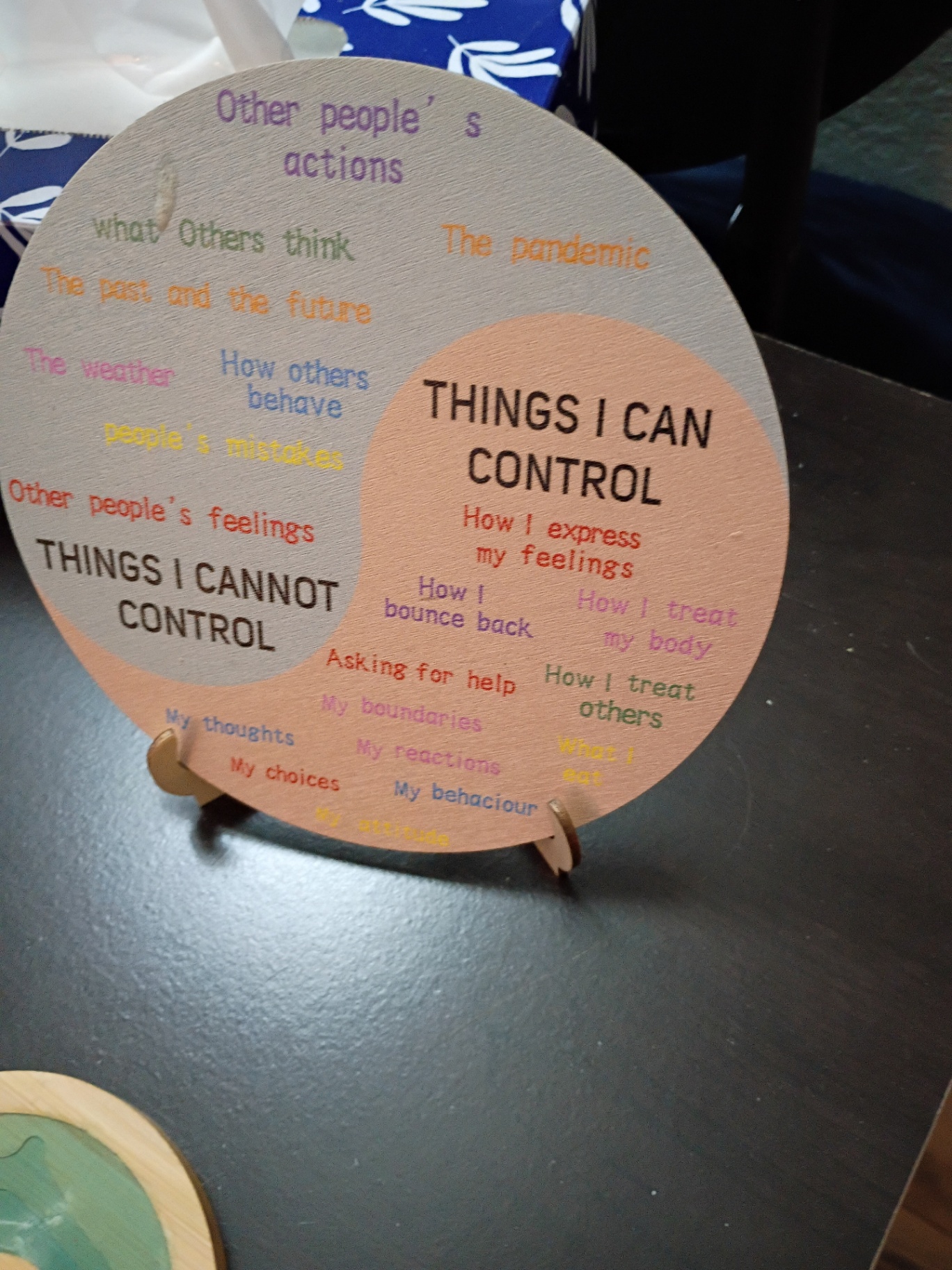
When we’re trapped in the perfectionism cycle, we’re usually trying to control things that are physically impossible to control: like how our brain processes dopamine or how other people perceive our neurodivergence. Radical acceptance means shifting your energy into the inner circle.
"Good enough" means:
- The laundry is clean, even if it’s currently living in a "clean pile" on the chair instead of being folded in the dresser.
- You showed up to the meeting, even if you were five minutes late and your heart is racing.
- You fed yourself today, even if it was just a protein bar and some cheese sticks.
These aren't failures. These are wins. In a world that demands 110%, giving 60% and surviving the day is a massive accomplishment.
The Radical Act of Self-Compassion
I often tell my clients that we need to treat ourselves with at least the same level of kindness we’d show a stray dog. If you saw a dog that was tired, hungry, and overwhelmed, you wouldn't yell at it for not being more productive. You’d give it some water and a place to rest.
Why don't we do that for ourselves?
For many of us, the inner critic is loud because it thinks it’s helping. It thinks if it screams loud enough, you’ll finally "get your act together." But shame is a terrible motivator. It’s like trying to start a car with water in the gas tank. It might sputter, but it’s not going to get you where you need to go.
Self-compassion is the high-octane fuel. When you allow yourself to be "good enough," you actually free up the mental energy you were using to beat yourself up. That energy can then be used for… literally anything else. Like resting. Or doing something you actually enjoy.

Practice: Identifying the Mask
If you’re feeling ready to try this "good enough" thing, start small.
- Identify one "should." (e.g., "I should have a perfectly organized inbox.")
- Ask: Whose standard is this? Is this something that actually makes your life better, or is it a neurotypical standard you’re using to measure your worth?
- Lower the bar. What would "good enough" look like here? Maybe it’s just clearing the "unread" notifications without actually filing every single email.
- Feel the discomfort. It will feel uncomfortable. Your brain will tell you that you’re being "lazy." Sit with that. Remind yourself that "lazy" is a word used to shame people whose struggles we don't understand.
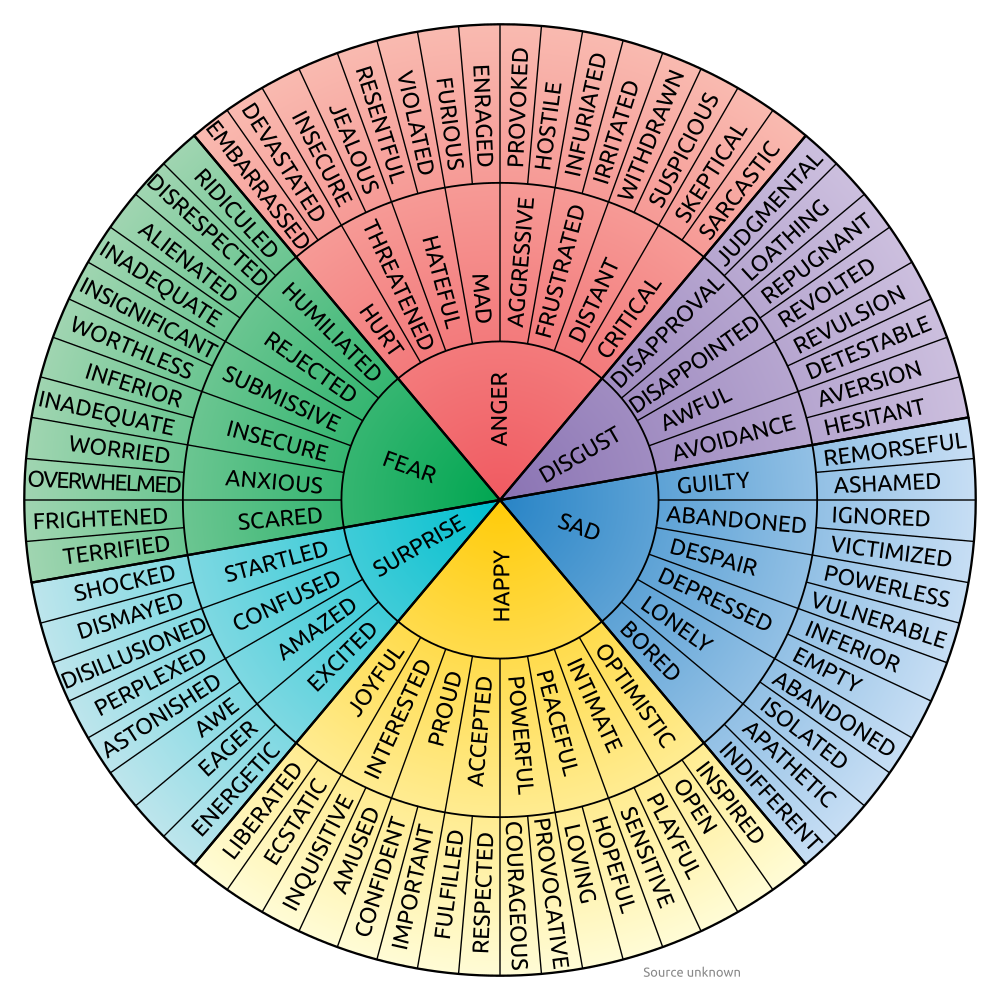
If you find yourself getting overwhelmed by the emotions this brings up, you’re not alone. Identifying these feelings is the first step toward moving through them. We often use tools like the Emotion Wheel to help folks figure out if what they're feeling is shame, fear, or just plain old exhaustion.
You Don’t Have to Do This Alone
Dropping the mask is scary. It feels like stepping out into the world without your clothes on. But you don't have to do it all at once, and you certainly don't have to do it alone.
At Byrnes Counseling Group, we’re here to help you navigate the messy, non-linear process of accepting your neurodivergent self. Whether you’re dealing with the fallout of a late adult ADHD diagnosis, navigating your gender identity, or just trying to figure out how to stop hating yourself for having a human brain, we’ve got you.
We aren't here to "fix" you, because we don't think you’re broken. We’re here to help you dismantle the armor that’s getting too heavy to carry.
If you’re in Florida or Vermont and looking for a therapist who actually gets the "neuro-spicy" life: and who won't judge you if you show up to session from your car because you forgot to leave the house on time: reach out to us.
Let’s practice being "good enough" together. It’s a lot more fun than trying to be perfect.
Want to dive deeper into the history of how we got here? Check out our previous posts in this series, including The Armor of Perfection and our thoughts on Hypervigilance as Protection.