
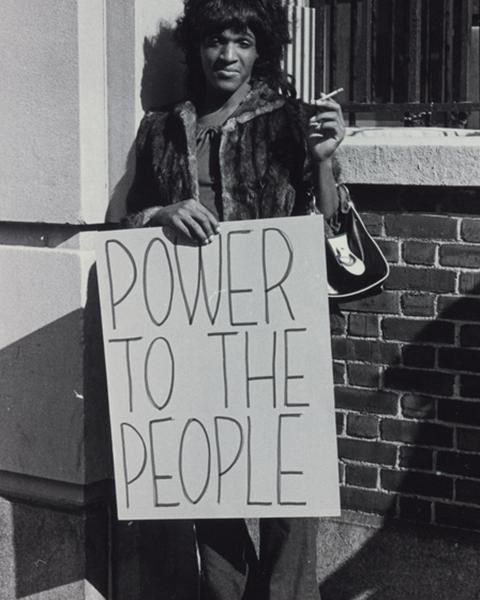
In the history of black people, many stories shine brightly about how they overcame hardships, were diverse, and were strong. As we celebrate Black History Month, it is very important to remember the important contributions made by black Americans who are LGBTQ+ and have left a lasting mark on society. We will look at two major trailblazers in this blog post instead of the usual figures. Their names are Marsha P. Johnson and James Baldwin. Their stories are full of strength and resistance, and they teach us a lot about how to get through hard times and how important diversity is to improving our society.
Marsha P. Johnson Powerful Advocate for Trans Liberation
The Stonewall Uprising of 1969 was a major turning point in LGBTQ+ history. Marsha P. Johnson led this rebellion group, calling herself a black transgender woman. Johnson spent her whole life fighting for the rights of underrepresented groups, especially transgender women of color. Her role in the mutiny made her famous. She helped to start the Street Transvestite Action Revolutionaries (STAR). It was a group that allowed transgender people to find housing and support. It took an active role in protests and rallies calling for social justice.
Johnson was found tragically dead in 1992, and her story is still not fully understood and remains a mystery in history. Anyhow, her legacy lives on. People admire her as a brave fighter for LGBTQ+ rights, a supporter of the weak community, and an example of how to keep going when things get tough. Her story leads us to fight for diversity; we must stand up to prejudice and help the weakest people in our communities.
James Baldwin, the Voice for Black Identity and Equality
James Baldwin was also a very important person in this history. He wrote many novels and essays, and his strong voice helped him explore the complicated issues of Black identity, sexuality, and social justice in the United States. Baldwin did not openly disclose that he was gay in his life, but his writings often dealt with same-sex desire and the problems that LGBTQ+ people face in society. His writings, such as “Giovanni’s Room” and “Another Country,” did a great job of showing how Black LGBTQ+ people lived and questioned the norms of the time.
Baldwin raised his voice against racism and was a key figure in the Civil Rights Movement. His powerful speeches and essays shed light on the struggles of Black Americans and called for equal rights and chances. His devotion to eliminating both racial and sexual discrimination is very similar to the fight for diversity and inclusion going on today.
Lessons from Black Trans Lives and Overcoming Hardship
LGBTQ+ communities often face discrimination based on their race, sexual orientation, and gender identity. Marsha P. Johnson and James Baldwin’s stories highlight these people’s unique problems. Their resilience in the face of adversity offers valuable lessons for all of us:
The power of collective action: Social activists like Johnson and Baldwin were both involved in movements for social change, which shows how working together can break down systemic barriers.
Celebrating diversity: Their lives exemplify the richness and complexity of Black identity, reminding us to celebrate diverse experiences and perspectives.
Amplifying marginalized voices: Their stories depict how important it is to hear and support the voices of underrepresented groups whose voices are often shut down by systems.
A Move for Inclusive Action
Honoring Black History Month goes beyond remembering a select few figures. It requires actively acknowledging the historical contributions of Black LGBTQ+ individuals and embracing diversity in all its forms. Here are some actionable steps we can take:
Support organizations: Support and empower the Black LGBTQ+ communities by donating to organizations such as Marsha P. Johnson Institute and National Black Justice Coalition which advocates their rights.
Educate yourself: Books and articles of Black LGBTQ+ authors are helpful to know about their tough experiences, so you must read them.
Challenge prejudice: Stand out against discrimination and bias based on race, sexual orientation, or gender identity.
Celebrate diversity: An equitable environment is necessary where everyone is respected and valued for their identities to celebrate diversity.
Conclusion
In conclusion, Black History Month reminds us that American history is full of diverse experiences, including those of Black LGBTQ+ people like Marsha P. Johnson and James Baldwin. We cannot push their stories to the edges as we move forward. Instead, let us celebrate their resilience and defiance in pursuing a fair and equitable society. We can build a diverse world by learning from their struggles and successes. Remember that their fight for equality continues. Their legacies also inspire us to create a world where everyone, regardless of background, can succeed. We should work toward a future of genuine inclusion, amplified voices, and deconstructed discriminatory systems in honor of their efforts.