
If you’re reading this, there’s a good chance you’re the "reliable" one. You’re the person who never misses a deadline, whose house is (mostly) tidy, and who everyone assumes has their life completely together. You might even feel a little bit like a fraud because, while the world sees a high-achiever, your internal monologue sounds like a caffeinated squirrel trapped in a revolving door.
Welcome to the world of "high-functioning" anxiety.
It’s that specific brand of stress where your anxiety doesn’t paralyze you, it drives you. It’s the engine that keeps you moving, but the check-engine light has been blinking for three years, and you’ve just learned to put a piece of tape over it. At Byrnes Counseling Group, we see this all the time, especially within the LGBTQ+ and neurodivergent communities.
In this first part of our series, "The 'Why' Behind the Work," we’re diving into why you might actually benefit from anxiety counseling, even if you’re "handling it" just fine.
The Myth of "Not Sick Enough"
One of the biggest hurdles to seeking help is the belief that things have to be "falling apart" before therapy is justified. We tend to view mental health through a crisis lens: unless you can’t get out of bed or are having full-blown panic attacks in the grocery store, you’re "fine."
But high-functioning anxiety is sneaky. It looks like:
- Perfectionism: The feeling that if you aren't perfect, you’re failing.
- People Pleasing: Saying "yes" to everything because the thought of disappointing someone makes your skin crawl.
- Proactive Over-thinking: You’ve already planned for the worst-case scenario in ten different ways.
- Inability to Relax: When you finally sit down, your brain starts a PowerPoint presentation on everything you forgot to do.
Sound familiar? This kind of stress is exhausting. It’s like running a marathon with a backpack full of rocks, sure, you’re finishing the race, but wouldn't it be nice to put the backpack down?
Why "Managing" Isn't the Same as Living
I’ve spent a lot of my career, and my life as a trans man, navigating the difference between surviving and actually living. In our community, we are often experts at the radical act of "good enough" because we’ve had to be. We mask our struggles to fit in, to stay safe, or to prove that we’re "just as capable" as anyone else.
But "managing" your anxiety often means you’re just white-knuckling it through your day. You might be succeeding at work or school, but what is it costing you?
- Is it costing you your sleep?
- Your ability to be present with your partner or chosen family?
- Your physical health?
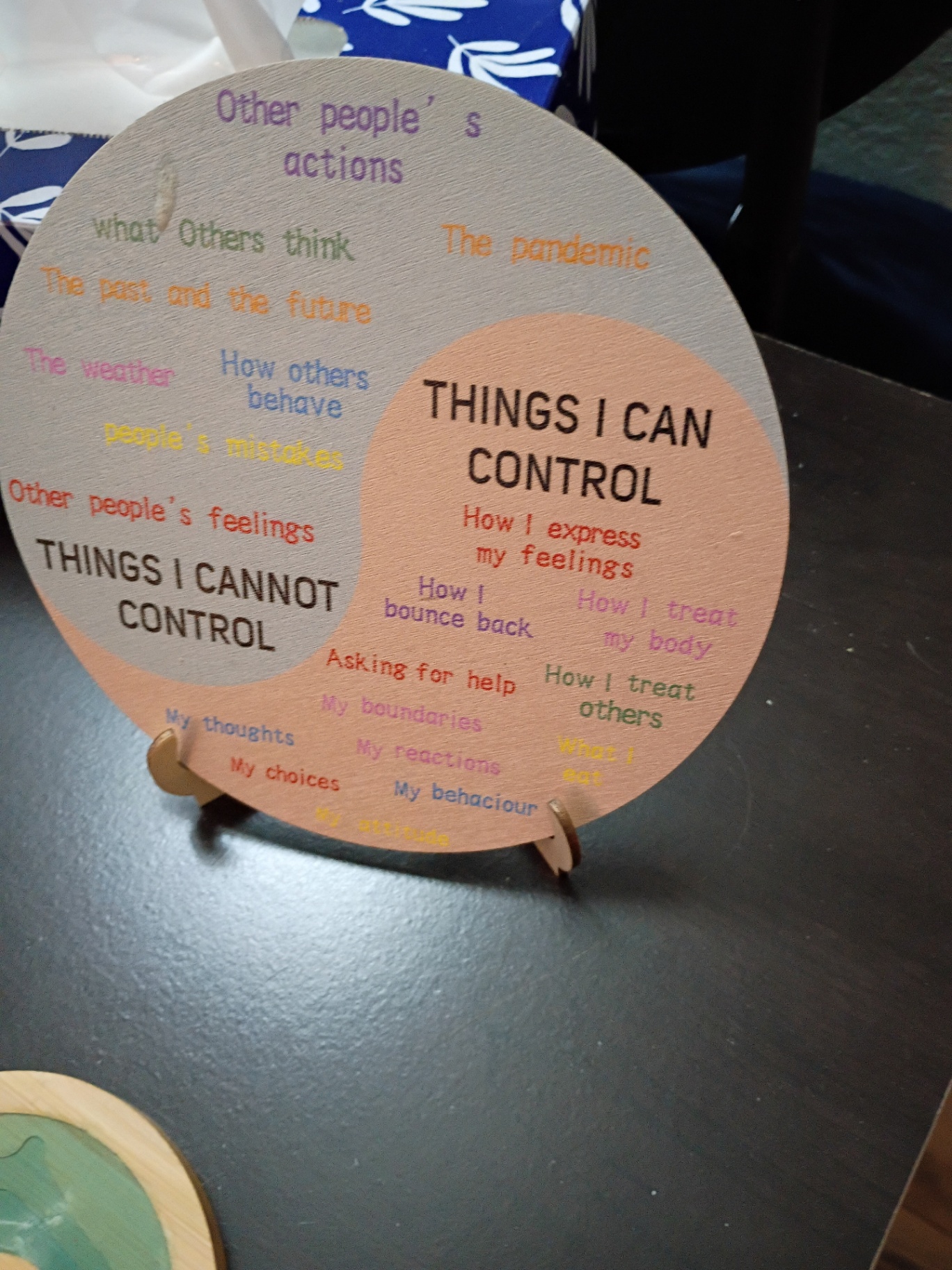
Anxiety counseling isn't about "fixing" a broken person. It’s about looking at the systems you’ve built to survive and seeing if they still serve you. Sometimes, the coping mechanisms that saved us when we were younger are the very things making us miserable as adults.
The Intersection of Anxiety and Identity
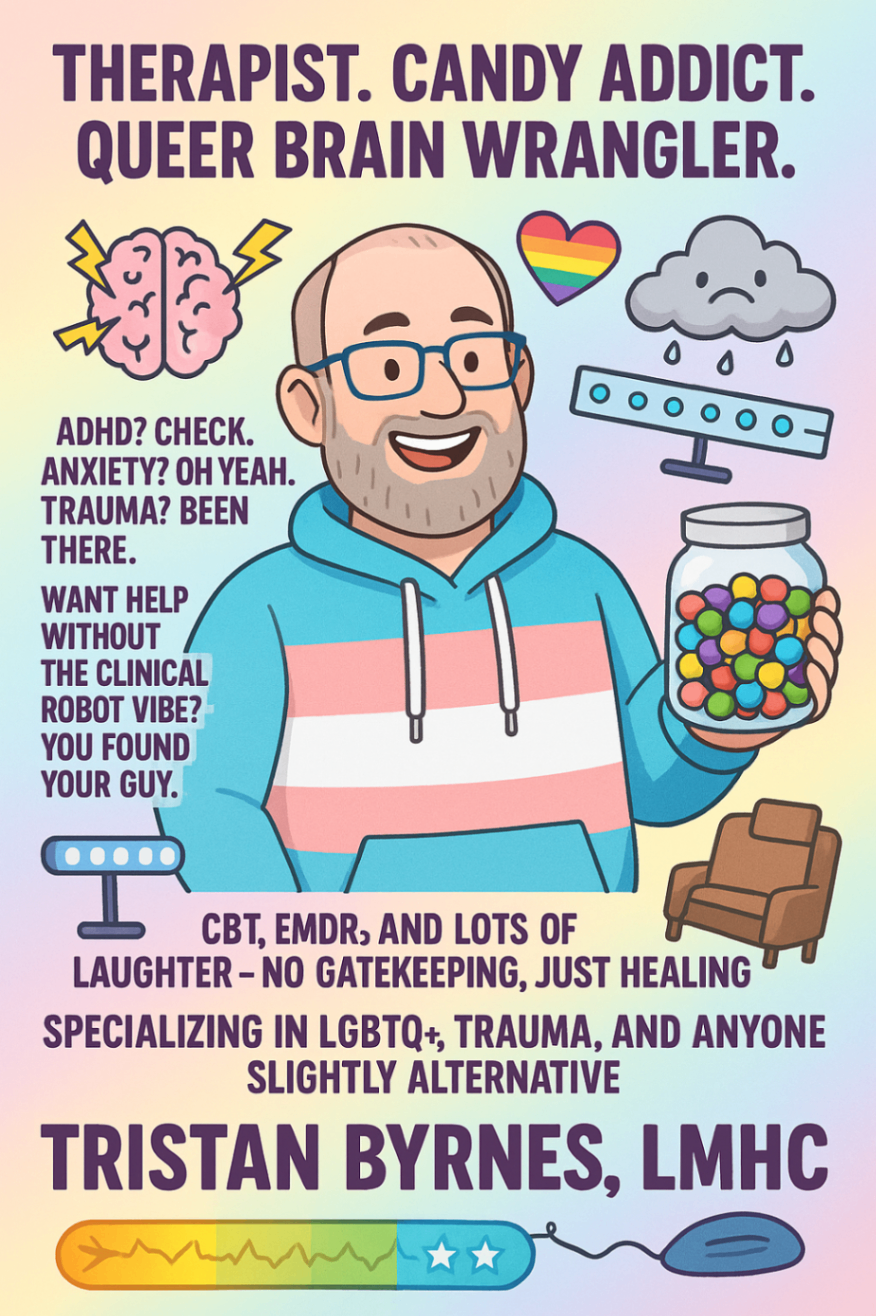
As a trans-led practice, we talk a lot about how identity impacts mental health. For many LGBTQ+ folks, anxiety isn't just a brain chemistry quirk; it’s a response to the world around us.
We often deal with hypervigilance as a form of protection. When you’ve spent years scanning rooms for exits or checking the vibe of a crowd to ensure your safety, that "scan" becomes your default setting. Your nervous system stays "on" even when you’re safe on your own couch.
This is why specialized anxiety counseling is so important. You don't need a therapist who just tells you to "breathe deeply" (though breathing is great, don't get me wrong). You need someone who understands that your anxiety might be tied to your lived experience as a queer or trans person in a world that isn't always affirming.
What Anxiety Counseling Actually Looks Like (Spoiler: It’s Not Scary)
If you’ve never been to therapy, or if you’ve had bad experiences with "clinical" environments that felt cold and judgmental, let me set the scene for how we do things here.
We’re casual. We’re affirming. We might crack a joke because, let’s be honest, sometimes the stuff our brains tell us is objectively hilarious once you say it out loud.
In our sessions, we might work on:
- Identifying the "Shoulds": "I should be more productive," "I should be happy," "I should be over this by now." We help you dismantle the armor of perfection and figure out what you actually want.
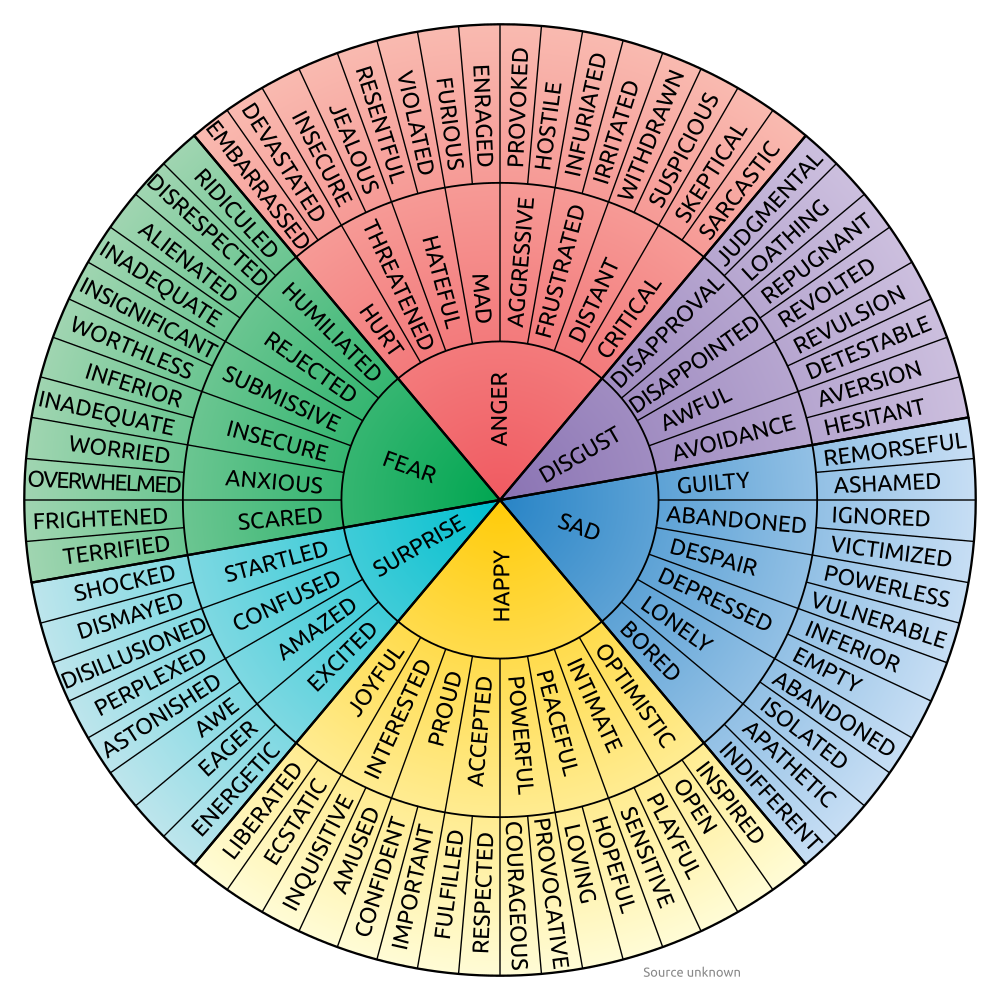
- Naming the Feelings: Using tools like an emotion wheel to move beyond just feeling "stressed" to identifying deeper feelings like inadequacy, loneliness, or fear.
- Boundary Setting: Learning that "No" is a complete sentence and that your worth isn't tied to your productivity.
- Somatic Work: Learning how to tell your body it’s safe, even when your brain is screaming that the sky is falling.

"But I Can Just Handle It Myself, Right?"
Sure, you can. You can keep reading self-help books, listening to podcasts, and trying that new meditation app your cousin recommended. And for some people, that works! But for many of us, anxiety is a feedback loop. It’s really hard to see the exit of a maze when you’re standing in the middle of it.
A therapist acts like a drone, we can see the whole maze from above. We can see the patterns you’re stuck in that you might not even notice.
Professional support is valuable because it’s a space where you don’t have to be the "strong one." You don't have to protect your therapist's feelings, and you don't have to worry about being "too much." You can just show up, messy and anxious, and have someone look at you and say, "Yeah, that makes sense. Let's work on it."
Why We Offer Telehealth Across Florida
We know that finding an affirming, trans-led practice can be tough, especially if you’re not in a major metro area. That’s why we offer telehealth services across the entire state of Florida. Whether you’re in Miami, Orlando, or a small town in the Panhandle, you deserve access to care that doesn’t require you to explain your identity before you can even get to your anxiety.
You can sit on your own couch, with your own pets (who are always welcome in our sessions, by the way), and do the work in a space where you already feel safe.
Taking the First Step
If you’re waiting for a sign that it’s "time" to seek help, this is it. You don't have to wait for a breakdown. You don't have to wait until you’re failing. You deserve to feel better now.
High-functioning anxiety is exhausting, but it’s not a life sentence. You can be successful and capable without feeling like you’re constantly one step away from a cliff.
If you’re ready to stop just "managing" and start actually living, reach out to us. Check out our meet our therapists page to see who you vibe with, or head over to our contact page to set up a consultation.

You’ve been carrying that backpack for a long time. It’s okay to take it off for a while.
This is Part 1 of our "Why" series. Stay tuned for Part 2, where we’ll be talking about why counseling for depression is a game-changer, even when it feels like everything is "fine" on paper.