
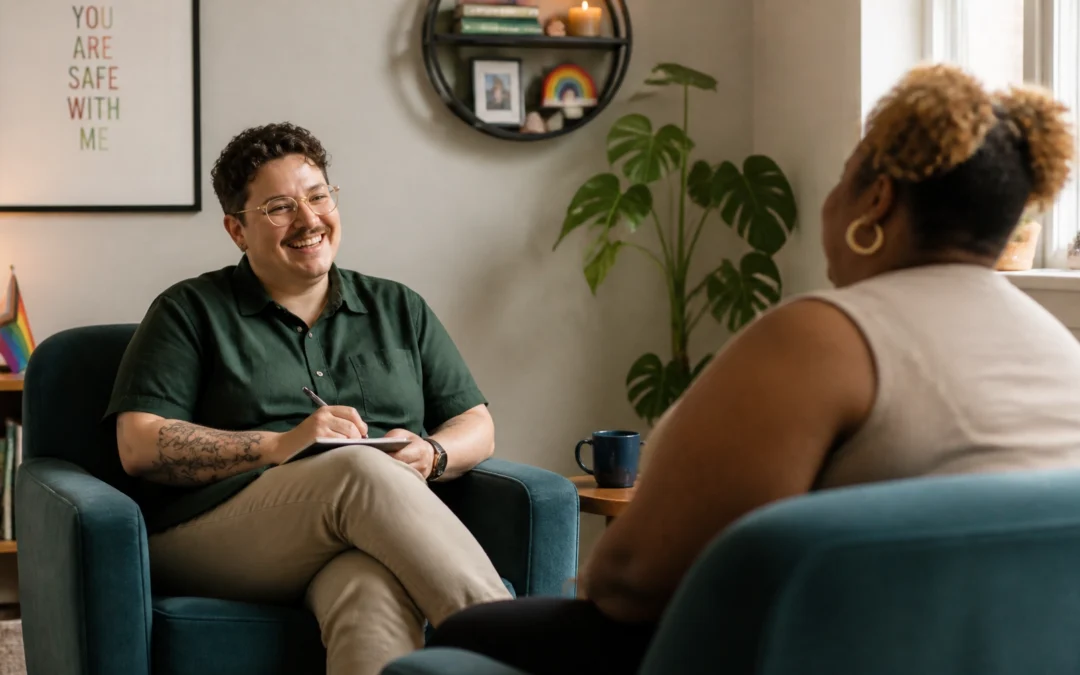
Welcome to the grand finale of our 5-part series! All week, we’ve been tackling the biggest myth in mental health: the idea that you have to be "falling apart" to walk through our door (or log onto our Zoom).
If you’ve missed the previous days, here’s the TL;DR: Therapy isn't just a psychological ER. It’s also a gym, a laboratory, a sanctuary, and, honestly, sometimes just a place where you can say the things you can’t say anywhere else without someone telling you to "just stay positive."
But I know what you’re thinking. Especially for my fellow LGBTQ+ folks in Florida, where life can feel like a constant game of "how much of myself can I show today?" there’s a specific kind of anxiety about showing up to therapy when you're… well, okay.
You might think, "I feel fine today. Am I wasting the therapist's time? Am I taking a spot from someone who is actually in a crisis?"
As a trans-identified therapist and the owner of Byrnes Counseling Group, let me let you in on a little secret: The best work often happens when you aren't in crisis.
Why? Because when your house isn't currently on fire, we can actually talk about how to fire-proof the place, renovate the kitchen, and maybe even hang some art you actually like.
So, let’s peel back the curtain. What actually happens in a session when things are going "fine"?
The "What Do We Even Talk About?" Panic
It’s 1:55 PM. Your session starts in five minutes. You’re scanning your brain for a catastrophe to report. Did I fight with my partner? No, we’re good. Did I have a panic attack at Publix? Not this week. Is my boss being a jerk? No, she’s actually being weirdly nice.
You log on, feeling like a student who forgot to do their homework.
If this is you, take a breath. In an identity-affirming therapy space, "I feel pretty good today" is actually a great opening line. It means we don't have to spend forty minutes putting out fires. We get to do the "deep work."

1. Processing the "Small t" Traumas (Florida Edition)
Even when you aren’t in a full-blown crisis, living as an LGBTQ+ person in Florida comes with a baseline level of "background noise." It’s the microaggressions at work, the news cycles that feel like a personal attack, or just the exhaustion of constantly scanning a room for safety.
When things are "fine," we use the session to process this "minority stress." We might look at how you’ve been carrying that stress in your body or how it’s subtly affecting your confidence. This is where EMDR therapy can be incredibly powerful, not just for big, life-altering events, but for desensitizing those smaller, recurring stings that keep you from feeling fully at peace.
2. Exploring Joy and Identity Evolution
Most people come to therapy to talk about what’s wrong. But what about what’s right? Or what could be?
Identity isn’t a destination; it’s an evolution. Maybe you’ve been out as trans for years, but you’re starting to wonder about a new name or a different way of presenting. Maybe you’re exploring polyamory or kink and want a safe, informed space to talk about it without being judged.
In a trans-led practice like ours, we get it. We aren't just here to help you survive; we’re here to help you thrive. We talk about Queer Joy. We talk about the milestones that actually matter to you, like the first time you felt truly "seen" in a grocery store or the way your relationship is deepening now that you’re being more authentic.
3. The Maintenance Tune-Up: Looking at Patterns
When you're in a crisis, you're in survival mode. You're just trying to get through the day. When you're not in a crisis, you have the mental bandwidth to look at the "why."
- Why do I always say 'yes' when I want to say 'no'?
- Why does this specific type of person always get under my skin?
- What are the family-of-origin patterns I'm accidentally repeating in my current relationship?
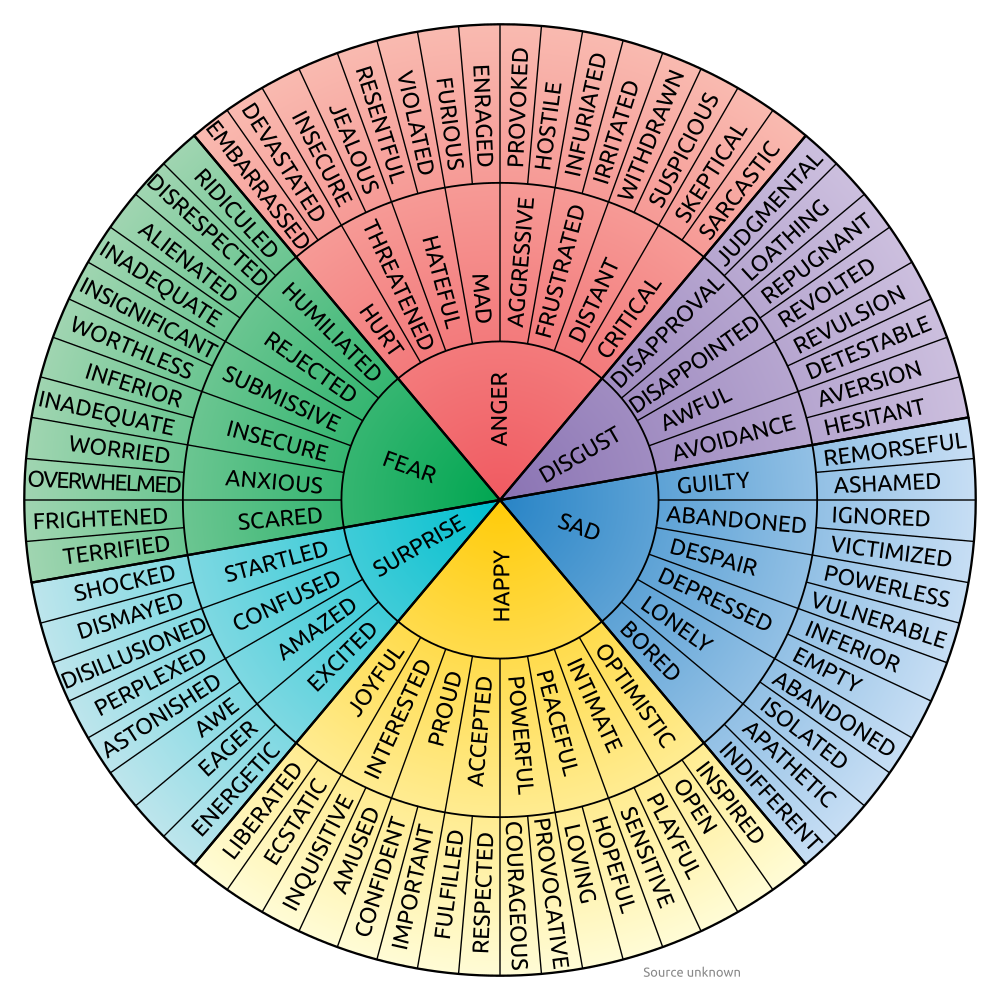
We use this time to look at your "autopilot." We might use tools like the emotion wheel to get specific about what you’re feeling or explore how your neurodivergent brain (shoutout to my ADHD and AuDHD family!) interacts with the world.
4. Neurodivergent Life-Hacks & Sensory Support
If you’re neurodivergent, therapy isn't always about "healing trauma", sometimes it’s just about logistics and radical self-acceptance.
In our sessions, we might spend time talking about how to set up your home office so you don't get overstimulated, or how to explain your need for "parallel play" to a neurotypical partner. We have sensory items in the office, like fidget toys and tongue drums, because we know that sometimes, you process better when your hands are busy.

5. Building the "Mental Gym" (Skill Building)
Think of non-crisis therapy as training for a marathon. You don't wait until the day of the race to start running. We spend sessions building up your toolbox:
- Boundary Setting: Practicing how to tell your family "No, I won't be coming to that event if I can't bring my partner."
- Self-Compassion: Learning to silence that inner critic that sounds suspiciously like a middle-school bully.
- Communication Skills: Role-playing difficult conversations in a low-stakes environment.
By the time the next "storm" hits: because let’s be real, life is life: you aren't scrambling for a life jacket. You already know how to swim.
What it Feels Like
People often ask me, "Is it just like… talking?"
Kind of. But it’s talking with a purpose. It’s a collaboration. Whether you’re meeting us in person or via telehealth in Florida, the vibe is casual. I might use a bit of humor (because life is too short to be stuffy), and I’ll definitely bring my lived experience as a trans man to the table.
There’s no "right" way to do therapy. Some days we might do deep, heavy work. Other days, we might spend thirty minutes talking about a weirdly good interaction you had at the dog park and why it made you feel so hopeful. It all counts.

You Don't Have to Wait for the Rain
If you’ve been waiting for a "sign" that you’re struggling enough to deserve therapy, this is your sign to stop waiting. You deserve a space where you are the priority, where your identity is celebrated, and where you can work on becoming the best version of yourself: not just the most "functional" version.
Our team at Byrnes Counseling Group is here to meet you exactly where you are. Whether you’re looking for LGBTQ therapy in Florida, specialized trans support, or a neuro-inclusive space, we’ve got you.
Meet our therapists and see who feels like the right fit for you. Let’s stop just surviving and start really living.
Ready to see what happens behind the curtain for yourself? Reach out to us today.