Well, friends, we’ve officially reached the end of our Authenticity Toolkit week. We’ve talked about finding the right therapist, healing trauma with EMDR, navigating polyamory, and making space for kink in the therapy room. But today, we’re zooming out. We’re talking about that big, messy, beautiful, and often terrifying question that hits us when the ground under our feet starts to move:
"Who am I now?"
If you’ve ever felt like the version of yourself you’ve been playing for years suddenly fits like a sweater that’s three sizes too small, you’re in the right place. Whether it’s coming out later in life, navigating a career change, transitioning, or just realizing that the "old you" doesn't vibe with the "current you," life transitions are a lot. At Byrnes Counseling Group, we specialize in life transition therapy because we know these shifts aren't just "phases": they are the moments where our most authentic selves are forged.
And as a trans-identified therapist running a trans-led practice, let me tell you: I’ve lived in that "Who am I now?" space more times than I can count. Let’s dive into how we navigate the in-between without losing our minds.
The Discomfort of the "In-Between"
Most people think of life transitions as a clean break. You leave one job, you start another. You come out, you’re out. You move houses, you’re in a new place. Simple, right?
Wrong.
The hardest part of any transition isn't the start or the finish; it’s the "neutral zone." It’s that weird, liminal space where you’ve let go of who you were, but you haven't quite figured out who you’re becoming yet. It feels like standing in a doorway: you aren't in the hallway anymore, but you haven't quite walked into the room either.
For many of us seeking therapy for LGBTQ adults, this feeling is compounded by years of "masking" or living for others' expectations. When we finally stop doing that, the silence that follows can be deafening. You might feel unfulfilled by things that used to matter. You might outgrow relationships that were once your bedrock. You might even feel a sense of grief for the person you used to be, even if that person wasn't happy.
Why This Hits Differently for Our Community
Transitions are a universal human experience, but for the LGBTQ+ and neurodivergent communities, they often carry extra weight.
For many, transition is life. We are constantly navigating shifts in pronouns, names, presentation, and legal statuses. But there’s also the "post-transition" transition. What happens when the big "event" is over? What happens when you’re no longer focused on surviving or reaching a milestone, and you’re just… existing?
Suddenly, you have the space to ask: What do I actually like to do? What are my values now that I’m not in crisis mode?
This is where the real work of authenticity begins. It’s about moving from "surviving" to "thriving." And honestly, that can be just as scary as the initial leap.
Reframing Loss as Evolution
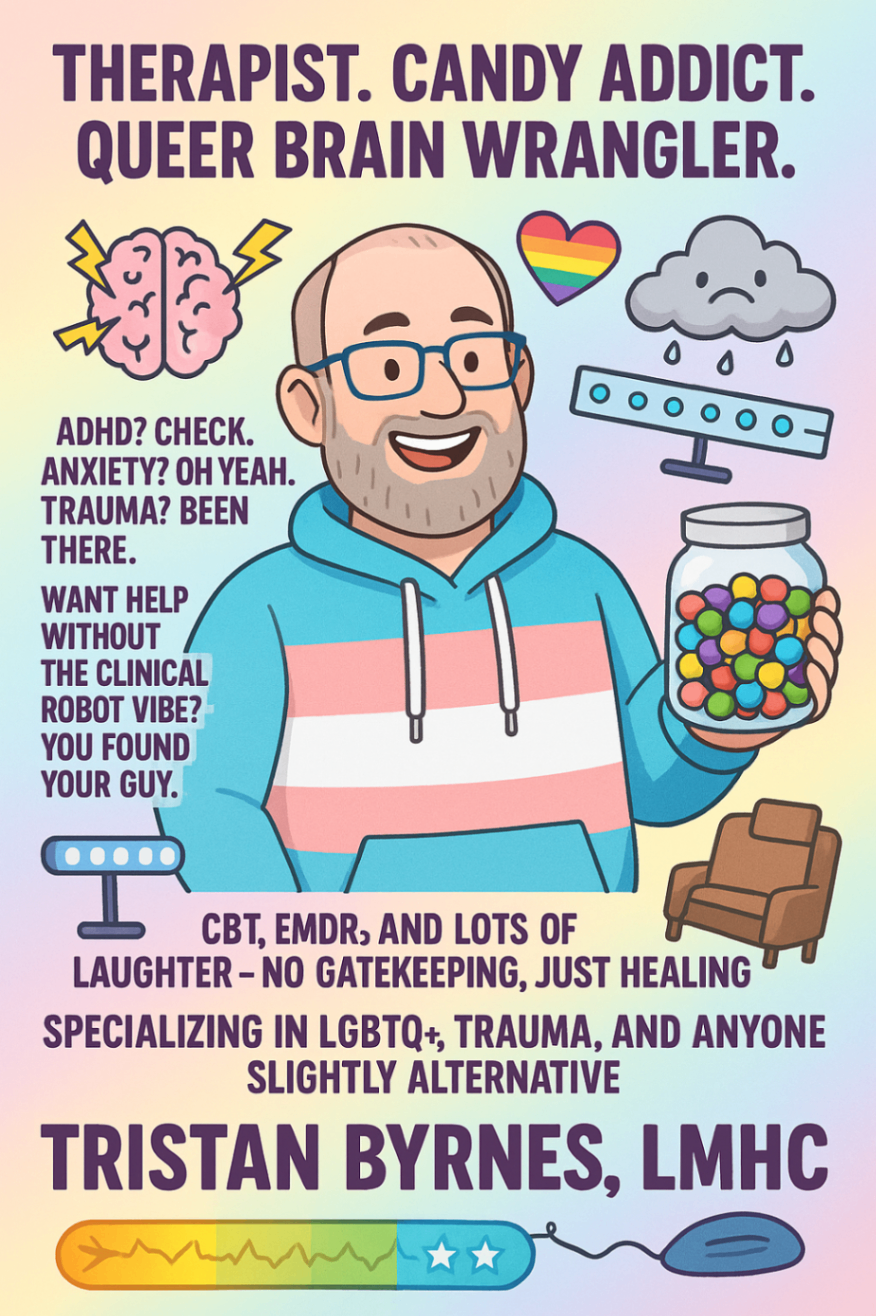
In my work at Byrnes Counseling Group, I often see clients who feel like they’re failing because they feel lost during a transition. They think, "I should be happy! I finally came out!" or "I finally got the job I wanted, why do I feel so anxious?"
I like to use a little humor here: You aren't "broken" or "failing" at your new life. You’re just downloading a massive software update, and your hardware is trying to keep up.
Think of it as an evolution, not a loss. You aren't becoming someone entirely new; you’re just adjusting which parts of yourself are in the driver's seat. The disorientation you feel is actually a sign of growth. If it didn't feel a little uncomfortable, you probably wouldn't be changing.
Tools for Your Authenticity Toolkit
So, how do we handle this "Who am I now?" phase with confidence? Here are a few tools we use in life transition therapy to help ground you:
1. Radical Curiosity
Instead of judging yourself for feeling lost, get curious. If you don’t enjoy your old hobbies anymore, don't panic. Ask, "What is it about this that doesn't resonate anymore?" or "What sounds exciting to me today, even if it’s weird?" Curiosity is the antidote to shame.
2. The Permission Slip
Give yourself permission to not know. Our society is obsessed with labels and "having a plan." In therapy, we work on sitting with the "I don't know." It’s okay to be in the in-between. You don’t have to have a five-year plan for your new identity by next Tuesday.
3. Focus on What You Can Control
When everything feels like it’s shifting, focus on the small things. This is where we bring out the visuals.
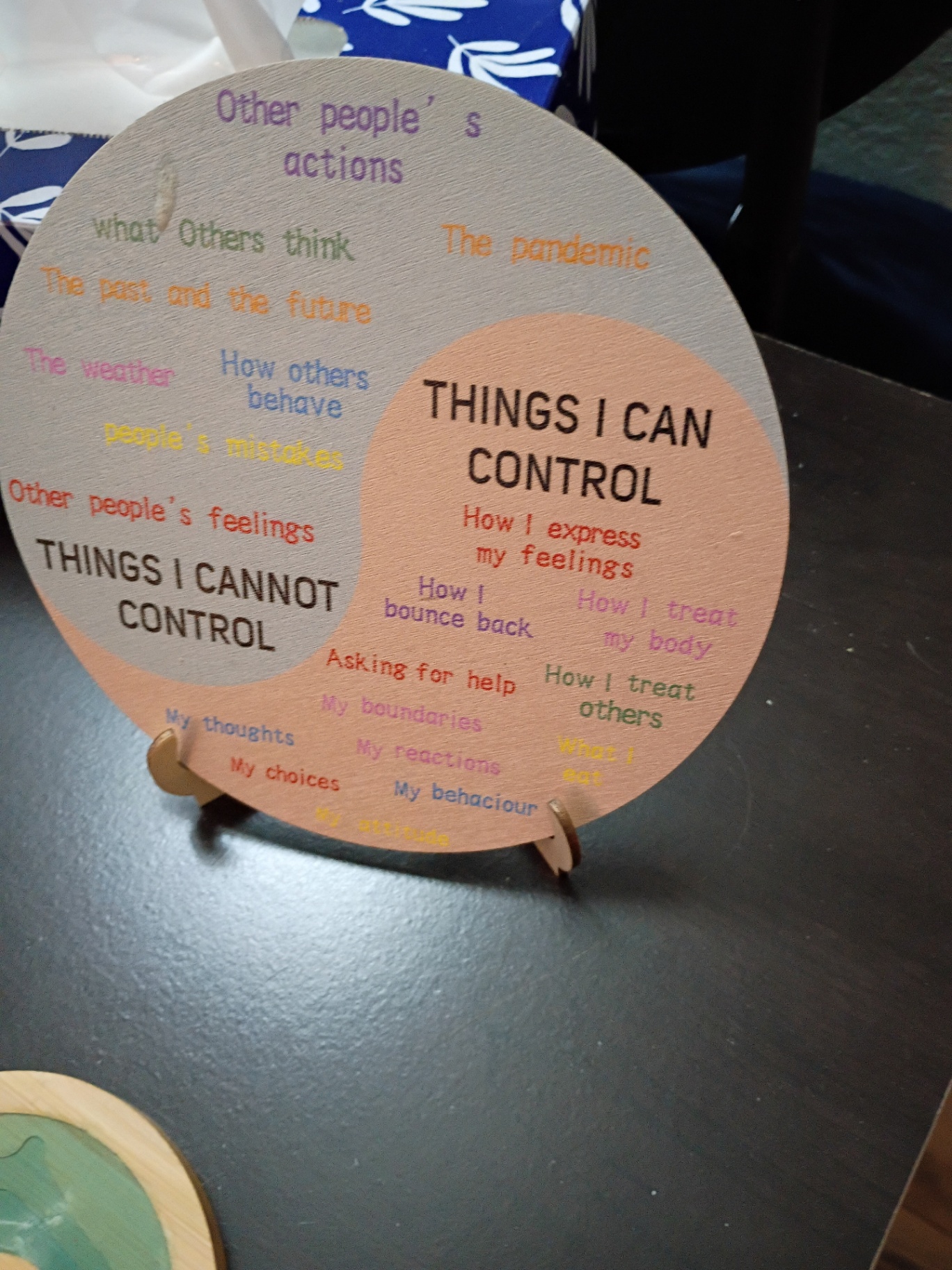
You can't control how your family reacts to your changes. You can't control the political climate in Florida (though we’re certainly trying). But you can control how you speak to yourself, the boundaries you set, and the coffee you drink in the morning. Small anchors provide big stability.
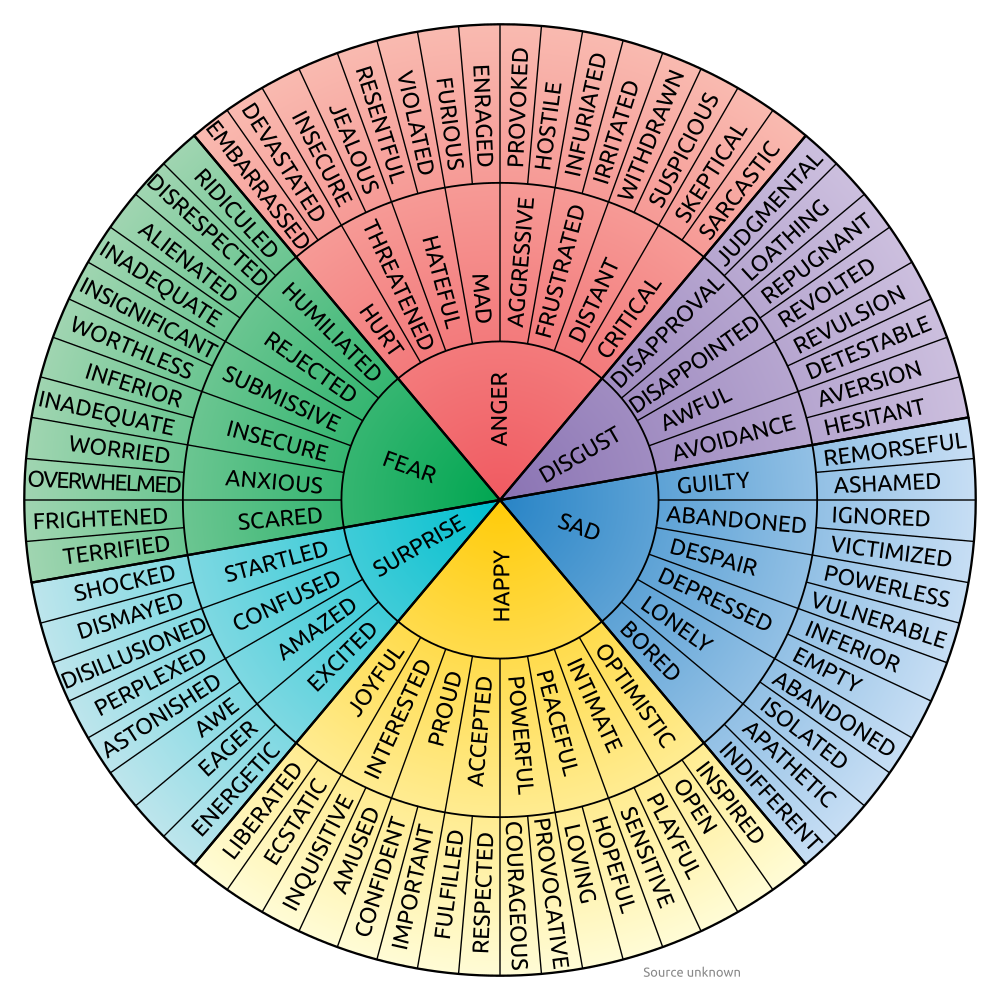
4. Naming the Feels
Sometimes we feel "bad" but we don't know why. Using tools like an emotion wheel can help you pinpoint if you’re feeling "grief," "anticipation," or just plain "overwhelmed." Once you name it, it loses some of its power over you.
Why a Trans-Led Practice Matters
When you’re going through a major identity shift, the last thing you want to do is spend your therapy hour educating your therapist on your basic humanity. You don't want to explain why your name change is a big deal or why navigating workplace masking is exhausting.
At Byrnes Counseling Group, we aren't just "affirming" because we read a book about it. We are a trans-led practice. We have lived these transitions. We know the specific brand of Florida-based anxiety that comes with being "out" in 2026.
When I say, "I get it," I really mean it. Whether we are doing EMDR therapy to process past transition trauma or just talking through the anxiety of a new career path, that lived experience makes the difference. We provide a space where you can be fully yourself: messy, transitioning, confused, and all.

Navigating the Future with Confidence
As we wrap up our Authenticity Toolkit week, I want you to remember one thing: You are the author of your own story. The "Who am I now?" phase isn't a sign that you’ve lost your way; it’s a sign that you’re brave enough to keep going.
Life is a series of transitions. Some are chosen, some are forced upon us, but all of them are opportunities to get a little closer to that authentic center.
If you’re in Florida and feeling the weight of a life transition, you don’t have to do it alone. We offer telehealth across Florida, providing a safe, cozy, and identity-affirming space right from your own couch. You can meet our therapists or check out our FAQ to see how we can support you.
Let’s figure out who you’re becoming, together.
Ready to start your next chapter? Contact us today to schedule a session. Whether you need a little help navigating a specific shift or you're looking for long-term therapy for LGBTQ adults, we're here for you.
Stay authentic, stay brave, and remember: the toolkit is always there when you need it. 🛠️✨