
Have you ever been walking through a park and seen a group of young boys just being… well, boys? Maybe they’re covered in dirt, arguing over the rules of a game they just made up, or pushing each other around in that specific way that says, “I like you, but I don’t have the words for it yet.”
And then, right in the middle of your afternoon, you feel it. That sharp, weirdly heavy pinch in your chest. It’s not just "jealousy." It’s something deeper. It’s the realization that you didn't get that. You didn't get the messy haircuts, the grass-stained knees, the Little League jitters, or the specific brand of brotherhood that happens before the world tells you to "man up" and stop feeling things.
If you’re trans-masculine, non-binary, or a trans man, this feeling has a name. It’s called Developmental Grief. And honestly? It sucks. But it’s also one of the most important things we need to talk about if we’re going to build a manhood that actually feels like home.
What Is Developmental Grief, Anyway?
In the clinical world, the world where I spend my days as a therapist, we talk about "multidimensional grief theory." It sounds fancy, but it basically breaks down into three types of distress: yearning for what's gone (separation), questioning the fairness of the universe (existential), and reacting to the chaos of the loss itself.
For us, the "loss" isn't a person. It’s a period of time. It’s the boyhood that was sidelined, suppressed, or totally skipped over.
When you lose a developmental stage, your brain doesn't just go, "Oh well, moving on!" Instead, you might experience something called existential and identity distress. This is that nagging feeling that you’re "behind," "late," or somehow less of a man because you didn't "learn the ropes" when you were seven.
At Byrnes Counseling Group, we see this all the time. Being a trans-led practice means I’m not just reading this out of a textbook. I’ve lived it. I know what it’s like to try and navigate male social spaces as an adult while feeling like you missed the "How to be a Guy 101" seminar in the third grade.
The "Stuck" Feeling: Why You Might Feel Like a Teenager at 30
Ever feel like you’re psychologically "stuck" in a younger version of yourself? Maybe you’ve finally started your transition and suddenly you’re dressing like a skater boy from 2005, or you’re getting oddly obsessed with video games or hobbies you weren't "allowed" to have as a kid.
Research suggests that when youth (or the inner youth in all of us) experience lost developmental opportunities, they can go through developmental slowing or regression. This isn't you being "immature." It’s your brain trying to stay connected to what was lost. It’s an attempt to maintain continuity. You are effectively "going back" to pick up the pieces of the boy you were always supposed to be.
Workbook Moment: The List of Lost Things
I want you to take a second here. This isn't just a blog post; it’s a space for you. If you have a notebook or even just the notes app on your phone, I want you to write down three things you feel like you missed out on.
- The Physical: (e.g., Playing sports, the specific awkwardness of a first "boy" haircut, roughhousing).
- The Social: (e.g., Being "one of the guys," sleepovers, male mentorship).
- The Internal: (e.g., The freedom to be loud, the permission to be messy, the lack of performance).
Don't judge what comes up. If you feel silly for grieving "not having a treehouse," write it down anyway. That inner kid doesn't think it's silly.

Grieving Doesn't Make You "Late"
One of the biggest lies our brains tell us is that because we didn't have a "standard" boyhood, we aren't "real" men now. Or that we have to work twice as hard to "catch up."
Let’s look at this Venn Diagram of Control.
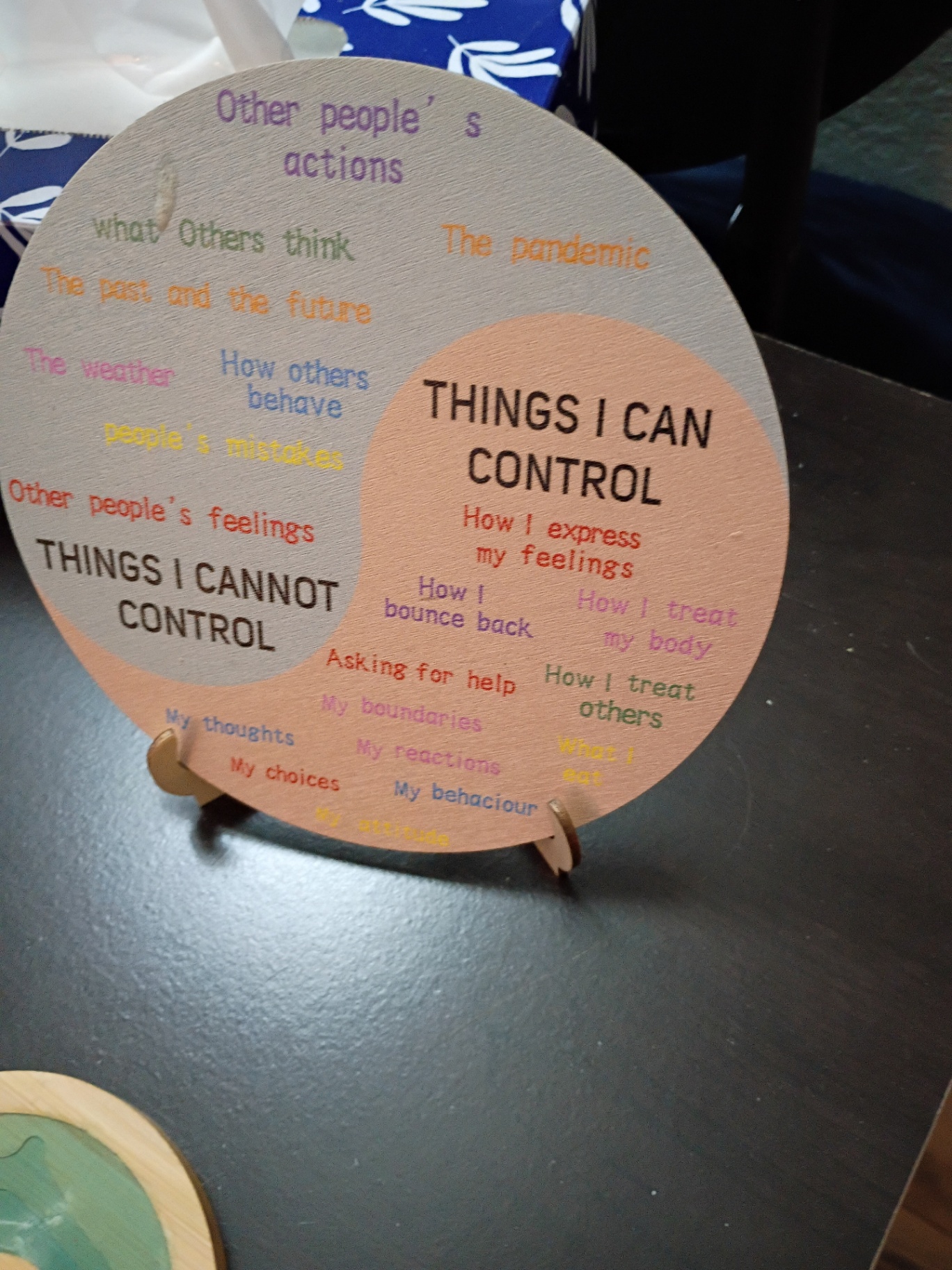
You cannot control the past. You cannot control the cisnormative society that didn't see you. You cannot control the years that have already passed.
You can control how you honor that inner boy now. You can control the grace you give yourself when you feel "clumsy" in social situations. You can control how you define masculinity for yourself today.
Grieving your boyhood is actually a sign of strength. It means you are finally safe enough to acknowledge the truth of your experience. You aren't "missing out" on your manhood now: you are building it on a foundation of honesty rather than suppression.
Moving Through the Ache
So, what do we do with this grief? If we just let it sit there, it turns into bitterness or self-doubt. Here are a few ways we work through this in our therapy sessions:
1. Give the Inner Boy a Seat at the Table
If you could go back and talk to that 8-year-old version of you: the one who was confused, or hiding, or just felt "off": what would you say? Would you tell him he’s a "fake"? Probably not. You’d probably give him a high-five and tell him he’s going to grow up to be a pretty cool guy. Start talking to yourself with that same kindness.
2. Identify the "Social Trial"
Often, the grief of a lost boyhood manifests as Hypervigilance. You feel like you’re "on trial" in male spaces, waiting for someone to "find you out." If you’re struggling with this, EMDR therapy can be incredibly helpful for processing those core feelings of not belonging or "imposter syndrome."
3. Reclaim the "Small Stuff"
Want to go buy those specific sneakers you wanted in 5th grade? Do it. Want to learn how to fix a bike or play catch even if you’re 40? Go for it. These small acts of "re-parenting" are how we bridge the gap between the boyhood that didn't happen and the manhood that is happening right now.
You Aren't Doing This Alone
If this feels heavy, it’s because it is. Grief is work. But you don't have to carry the shovel by yourself. At Byrnes Counseling Group, we specialize in LGBTQ+ mental health because we know that our histories are complicated. We aren't here to give you a clinical lecture; we’re here to help you navigate the messy, beautiful process of becoming yourself.
If you find yourself stuck in the "Why Me?" or the "What Ifs," it might be time to chat. Whether you're looking for gender identity support or just need a therapist who gets it without you having to explain the basics, we’re here.
Check out our Meet Our Therapists page to find someone who fits your vibe.
Final Thought for the Road
Your boyhood didn't happen in the "standard" way, but that doesn't mean it didn't exist. It existed in your dreams, in your resilience, and in the quiet moments when you knew who you were even when no one else did. That boy didn't die: he just grew up into the man who is brave enough to read this today.
And honestly? That’s a hell of a story.
Want to dive deeper into your journey? Check out our other posts on the Byrnes Counseling Blog or reach out to us directly through our contact page.