

If you’ve been thinking about an adult ADHD diagnosis, you’re not alone—especially among neurodivergent adults who grew up internalizing ADHD stigma and learning to explain real struggles with one brutal word: “lazy.” If I had a nickel for every time a client sat across from me (or on the other side of a Zoom screen) and called themselves "lazy," I wouldn't just be a therapist; I’d be a therapist with a very fancy espresso machine and a vacation home in the Keys.
It’s the ultimate neurodivergent label, isn't it? "Lazy." It’s the word that echoes in your head when you’re staring at a sink full of dishes you’ve ignored for three days, or when you’ve spent four hours "paralyzed" on the couch because you have a single appointment at 2:00 PM and your brain has decided you can’t do anything else until then.
But here’s the thing, and I’m saying this as someone who lives at the intersection of being a trans-identified therapist and a neurodivergent human: You aren't lazy. You’re navigating a world that wasn't built for your operating system, often without a manual, and usually while carrying a backpack full of societal shame.
At Byrnes Counseling Group, we see this every day. We aren't just clinical observers; we’re in the community. We know that for neurodivergent adults, especially those of us who are also LGBTQ+, the "lazy" label is actually a symptom of systemic neglect and a lack of affirming support.
The Gaslighting of the "Lazy" Label
Let’s get real for a second. "Lazy" implies a choice. It suggests that you looked at a task, had the energy, the focus, and the mental clarity to do it, and just said, "Nah, I’d rather just feel progressively more anxious about not doing it."
Does that sound like you? Probably not. Usually, when neurodivergent adults "don't do the thing," they are actually experiencing a massive internal battle. We call this executive dysfunction, but to the outside world, and often to our own internal critics, it looks like a lack of willpower.
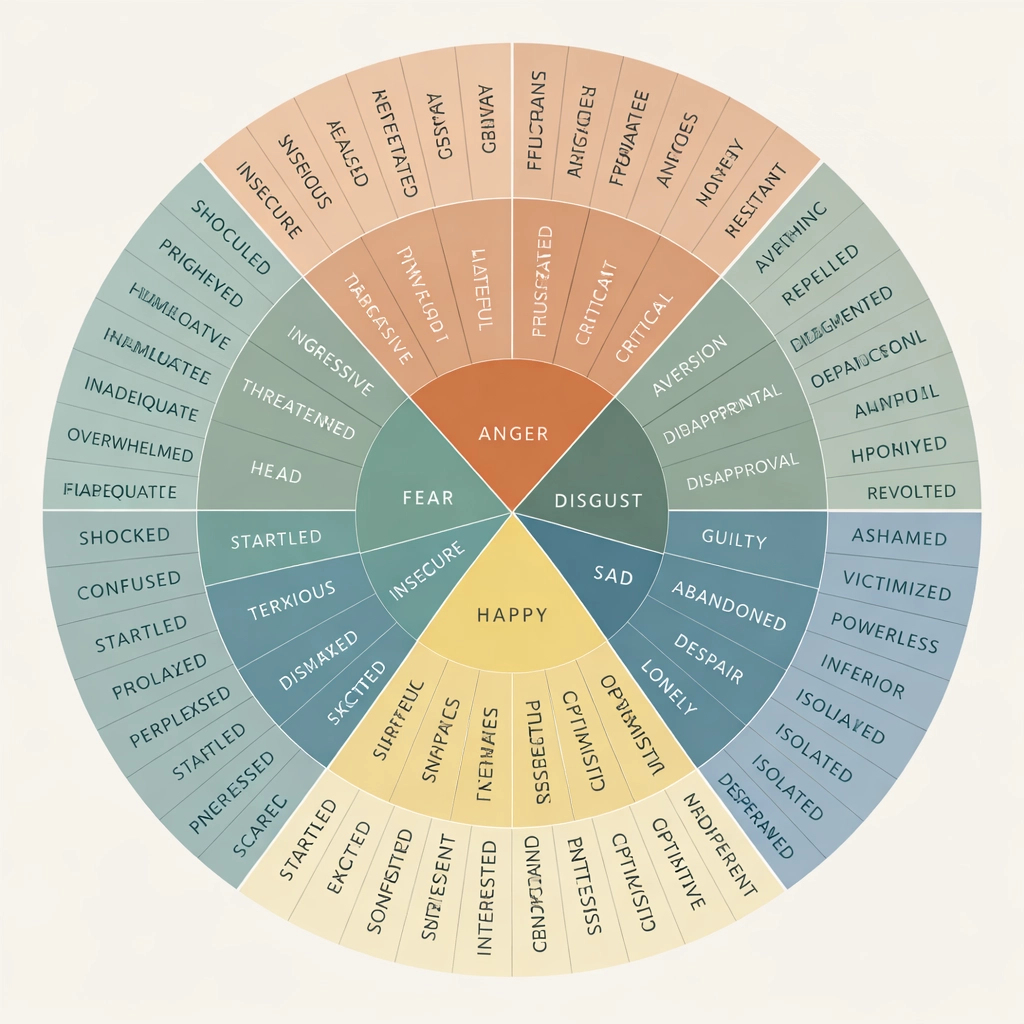
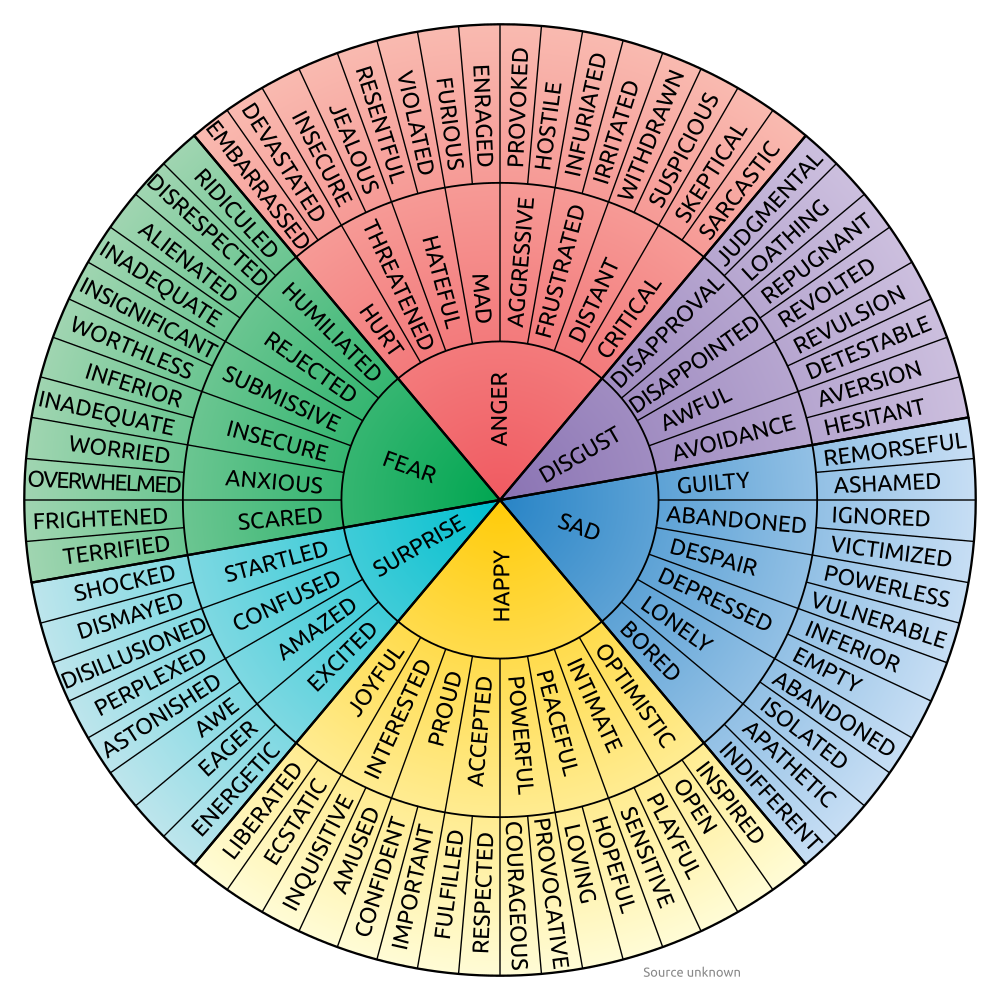
When we look at something like the Emotion Wheel, we see a spectrum of feelings. But for many of us, the primary emotion we feel when we can't get started is "shame." This shame is reinforced by a society that values "productivity" above all else. If you aren't producing, you’re failing.
But if you’re struggling with late-in-life ADHD or other neurodivergent traits, your brain literally processes dopamine differently. It’s not a moral failing; it’s neurobiology. If you want to dive deeper into why we fall for these mental traps, check out our post on 7 stigma traps that keep you stuck.
The High Cost of Masking
For many neurodivergent adults, the "lazy" label is something we’ve spent our whole lives trying to outrun. We do this through "masking" or "camouflaging." We learn to mimic neurotypical behavior, force ourselves to sit still, suppress our stims, and "white-knuckle" our way through the workday.

Masking is exhausting. It’s like running a marathon in your head every single day just to appear "normal." By the time you get home, your battery isn't just low, it’s in the red, sparking, and smelling like smoke. This is often where the "laziness" happens. You can’t cook dinner, you can’t answer that text, and you certainly can’t go to the gym.
This isn't a lack of discipline. This is burnout.
For the LGBTQ+ community, this masking is often doubled. We’re already navigating the world while managing our gender identity and sexual orientation. Adding neurodivergence on top of that means we are constantly performing for safety and acceptance. It’s a heavy lift, and honestly, you deserve a gold medal for just getting through the week.
If you feel like you’re constantly performing, you might find some relief in our thoughts on dropping the mask of perfection.
The Late-in-Life ADHD Epiphany
A huge portion of the people we work with are discovering their neurodivergence in their 30s, 40s, or even 50s. If you grew up in the 80s or 90s and weren't a seven-year-old boy bouncing off the walls, you were likely overlooked. Instead of being seen as a child who needed support, you were likely labeled as "gifted but unmotivated," "sensitive," or, you guessed it, "lazy."
Finding out you have ADHD or are autistic as an adult is a wild ride. It’s a mix of "Oh my god, everything finally makes sense!" and a deep, heavy grief for the person you could have been if you’d had support thirty years ago.
We talk a lot about why ADHD was overlooked in childhood, and it usually boils down to the fact that the diagnostic criteria weren't built for us, especially not for queer or trans folks whose symptoms might manifest differently.
Why Support Matters (And Why "Trying Harder" Doesn't Work)
If "trying harder" worked, you would have fixed this by now. You are likely the hardest-working person you know because you have to work twice as hard to get half as far as someone whose brain matches the world’s expectations.
Better support for neurodivergent adults isn't about "fixing" your brain. It’s about:
- Validation: Hearing someone say, "Yeah, that's actually really hard, and it makes sense that you're tired."
- Accommodations, not Assimilation: Learning how to work with your brain instead of against it. (Maybe you need body doubling, maybe you need sensory-friendly lighting, or maybe you just need permission to eat cereal for dinner.)
- Community: Knowing you aren't the only one struggling with the "wall of awful."

The phrase "It's all in your head" is often used to dismiss us. But at Byrnes Counseling Group, we say: Of course it’s in your head. That’s where your brain lives! And that brain deserves a space where it is understood, not judged. Whether you are in Florida or we are working with you in Pennsylvania, our goal is to provide a trans-led, neuro-affirming environment where you don't have to explain why you can't just "use a planner."
Shifting from Shame to Compassion
The antidote to the "lazy" label is radical self-compassion. It’s recognizing that your worth isn't tied to your productivity. It’s understanding that on days when your executive function is at zero, resting isn't a "waste of time": it's a biological necessity.
As a trans-led practice, we know what it’s like to fight for the right to exist as we are. We bring that same energy to neurodivergence. We aren't here to help you become a "better" neurotypical person. We’re here to help you be a thriving neurodivergent person.
If you’re tired of feeling like you’re "failing" at adulthood, maybe it’s time to change the metrics. You aren't lazy; you’re navigating a complex internal and external landscape. You deserve support that recognizes your strengths while acknowledging your very real barriers.
If you’re ready to stop the cycle of shame and start building a life that actually fits your brain, we’re here to help. You can learn more about how we work by checking out our guide to LGBTQ+ and neurodivergent affirming therapy.
You’ve spent enough time beating yourself up. Let’s try something else. Let's try being on your own team for once. It’s a lot less exhausting than the alternative.