
Here's a fun game nobody signed up for: Spend your entire life being called lazy, unmotivated, or "not living up to your potential," then find out at 30, 40, or 50 that your brain has been playing on hard mode this whole time because of ADHD.
Surprise! It wasn't character. It was chemistry.
As someone who got my ADHD diagnosis later in life (and runs a practice where we see this pattern constantly), I can tell you the "lazy" label is one of the most damaging myths we carry. It keeps neurodivergent adults stuck in shame spirals, prevents people from seeking help, and makes us internalize a false narrative about who we are.
So let's dismantle the stigma traps that keep you believing you're the problem when it's actually your dopamine receptors having a bad day.
Stigma Trap #1: "You're Just Lazy"
This is the granddaddy of ADHD myths. The one that does the most damage. The one that makes people suffer in silence for decades.
Here's the reality: laziness is a choice to avoid effort without guilt. ADHD is your brain struggling with executive dysfunction, the neurological ability to plan, organize, initiate, and complete tasks, while you're simultaneously drowning in guilt, shame, and frustration about it.
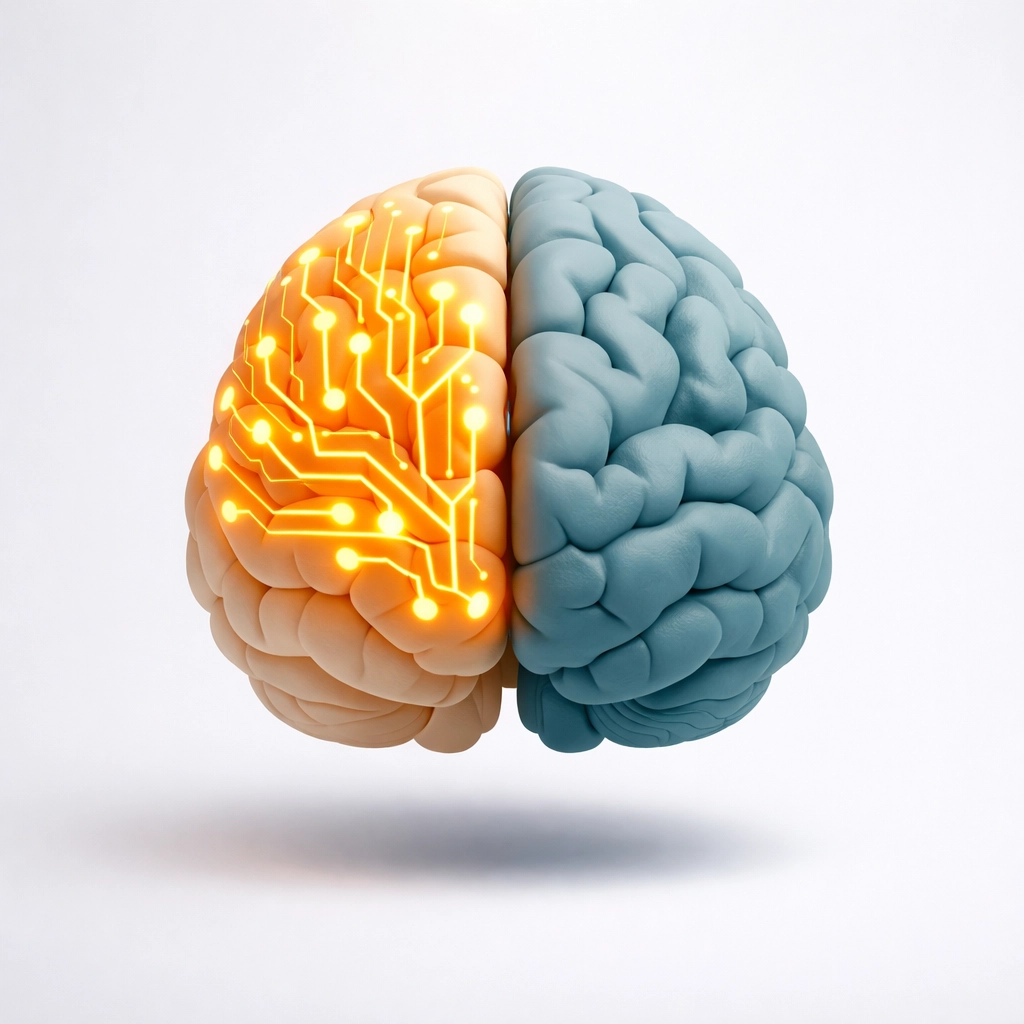
When you have ADHD, you want to do the thing. You care about doing the thing. Your brain just keeps filing it under "later" in a drawer that doesn't have a handle. That's not laziness. That's a prefrontal cortex that's smaller and less active than neurotypical brains, affecting time management and task completion.
Lazy people don't lie awake at 2 a.m. mentally cataloging all the things they didn't get done and feeling like garbage about it. ADHD brains do that nightly.
Stigma Trap #2: "Everyone Gets Distracted Sometimes"
Cool, yeah, everyone forgets where they put their keys occasionally. Not everyone walks into a room seven times in one hour and still has no idea why they're there.
This trap minimizes the pervasiveness of ADHD symptoms. It's not that you get distracted sometimes, it's that your attention is like a greased-up ferret at a rave. It goes everywhere, latches onto nothing, and you have very little say in the matter.
The difference? Consistency and impact. ADHD symptoms affect daily functioning across multiple settings. You're not occasionally forgetful; you're chronically struggling with working memory. You're not sometimes disorganized; you're living in what I affectionately call "organized chaos" that only makes sense to you (and even that's debatable).
Neurotypical people can usually buckle down when they need to. ADHD brains say, "That's adorable. How about we hyperfocus on researching the history of sandwich bread for six hours instead?"
Stigma Trap #3: "If You Really Wanted To, You Could Just Focus"
Oh, the willpower myth. This one makes my therapist eye twitch.
ADHD isn't about wanting it badly enough. It's about dopamine deficiency. Your brain doesn't get the same reward satisfaction from completing tasks that neurotypical brains do. The brain's reward system is literally underactive, which means the motivation engine sputters where others cruise.
You can want to focus with every fiber of your being. You can need to focus because your job/relationship/life depends on it. But if your brain isn't producing enough dopamine or your receptors aren't picking up the signal properly, willpower alone won't cut it.
This is like telling someone with poor eyesight to "just try harder to see." Your brain has measurable structural and chemical differences. It's neurobiology, not lack of trying.

Stigma Trap #4: "You're Too Successful to Have ADHD"
Ah yes, the "you don't look neurodivergent" cousin of ADHD stigma.
Here's a secret: many adults with ADHD are wildly successful because they've spent decades building elaborate compensation strategies, masking symptoms, and working three times as hard as everyone else just to appear "normal."
Success doesn't mean your brain isn't struggling. It means you've become a master at hiding the struggle. You've learned to work with your hyperfocus. You've built systems. You've developed coping mechanisms. You've probably also burned out seventeen times and wondered why you can't just "adult" like everyone else seems to.
The cost of that success? Exhaustion. Burnout. Anxiety. Feeling like an imposter in your own life.
At Byrnes Counseling Group, we see high-achieving neurodivergent adults all the time who are shocked to discover their struggles have a name and aren't a personal failing.
Stigma Trap #5: "ADHD Is Just an Excuse"
This one's particularly painful because it usually comes from people who genuinely don't understand how debilitating executive dysfunction can be.
ADHD isn't an excuse: it's an explanation. There's a massive difference.
Understanding that your brain works differently doesn't mean you're absolved of all responsibility. It means you finally have context for why certain things are harder for you, and you can stop beating yourself up long enough to find strategies that actually work.
It's like the difference between "I can't do math because I'm stupid" and "I have dyscalculia, so I need different tools to process numbers." One keeps you stuck in shame. One opens the door to support.
When someone says ADHD is "just an excuse," what they're really saying is they don't understand neurodivergence and would rather you keep suffering in silence than acknowledge your brain needs different support.

Stigma Trap #6: "You Just Need More Discipline/Better Habits"
If I had a dollar for every time someone told a client "just use a planner" or "make a to-do list" like it's revolutionary advice they've never considered…
Here's the thing about ADHD: neurotypical productivity advice often makes things worse. Your brain doesn't work that way. Traditional discipline and habit-building require executive function skills that are compromised in ADHD brains.
You don't need more discipline. You need strategies designed for how your brain actually works. You need body doubling. You need external accountability. You need to break tasks into absurdly small steps. You need to work with your dopamine system instead of against it.
The "discipline" trap keeps people stuck in shame because they keep trying the same neurotypical approaches over and over, failing, and then concluding they're the problem. You're not. The approach is.
Stigma Trap #7: "Real Adults Can Handle This Stuff"
This one hits different because it taps into age-based stigma. Like somehow by 30, 40, or 50, you should have magically overcome your neurological differences through sheer adulting.
ADHD doesn't go away because you got older. Your brain structure didn't suddenly reorganize itself when you turned 35. The difference is that adult life often has less external structure and more executive function demands than childhood did.
Nobody's reminding you about deadlines anymore. Nobody's creating your schedule. Nobody's organizing your environment. All those supports that helped you compensate? Gone. And suddenly the ADHD you didn't know you had becomes impossible to ignore.
There's no age limit on struggling with ADHD symptoms. There's no expiration date on needing support. And there's definitely no rule that says "real adults" just power through neurological differences alone.

The ADHD Paralysis Nobody Talks About
One more thing these stigma traps don't account for: ADHD paralysis: that awful feeling of being mentally stuck despite desperately wanting to act.
It's not procrastination (which implies choice). It's your brain getting so overwhelmed by the steps involved in a task that it freezes completely. You're not avoiding the thing because you don't care. You're stuck because your brain is simultaneously trying to do everything and nothing, and the emotional overwhelm is real.
This is executive dysfunction in action. Your planning, organizing, and initiating systems are all glitching at once. No amount of "just do it" will help because the problem isn't motivation: it's neurological capacity.
What Actually Helps
Understanding that ADHD is a brain-based condition: not a character flaw: is the first step to getting unstuck. When you stop internalizing the "lazy" narrative, you can start building actual support systems:
- Medication that addresses dopamine regulation (because chemistry matters)
- ADHD-specific therapy that works with your brain, not against it
- Accommodations that reduce executive function demands
- Community with other neurodivergent adults who get it
- Self-compassion instead of shame spirals
At Byrnes Counseling Group, we work with neurodivergent adults to untangle these stigma traps and build strategies that actually fit your brain. As a trans-led practice that centers affirming, neurodivergence-friendly care, we're pretty familiar with how it feels to have your reality dismissed or pathologized by people who don't understand your experience.
Your ADHD is real. Your struggles are valid. And you're not lazy: your brain just needs different support than you've been getting.
The stigma traps lose their power the moment you stop believing them.