Hey there. Let’s talk about the big "self-made" lie we’ve all been sold. You know the one, the idea that if you just work hard enough, meditate long enough, or buy the right planner, you’ll finally have your life together and be "happy." It’s this very Western, very individualistic idea that we are islands. But here’s the thing: humans aren’t islands. We’re more like a massive, tangled forest of aspen trees. On the surface, we look like individual trunks, but underground? We’re all sharing the same root system.
At Byrnes Counseling Group, we see this every day. As a trans-led practice, we don't just look at mental health through a clinical lens; we look at it through the lens of lived experience. We know that for our LGBTQ+ and neurodivergent community, "thriving" isn't just about the absence of anxiety or depression. It’s about the presence of connection. It’s about the power of "Us."
The Biology of Belonging
It turns out, needing people isn't a sign of weakness; it’s actually hardwired into our DNA. Back in the day, if you were wandering the savannah alone, you were basically a snack for a saber-toothed tiger. Being part of a group meant survival. Fast forward a few thousand years, and our brains still react to social isolation like it’s a physical threat.
Research shows that human connection is a fundamental requirement for thriving. Our relationships provide the emotional buffer we need to survive the "storms" of life. When things get heavy, and let’s be real, for our community, they often do, having a support system doesn't just make the load lighter; it actually helps us rebuild ourselves stronger than we were before.
But it’s not just about surviving the bad stuff. Relationships are the launchpad for the good stuff, too. When we feel secure in our "Us," we’re more likely to take risks, try new things, and step into our full potential. It’s hard to reach for the stars when you’re worried about whether or not you have a place to land.
Why the "Us" Matters for LGBTQ+ and Neurodivergent Folks
For those of us who identify as LGBTQ+ or move through the world with a neurodivergent brain (or both!), finding "our people" isn't just a luxury, it’s a lifeline.
Think about the sheer amount of energy it takes to "mask" or "closet" yourself in spaces that weren't built for you. It’s exhausting. It’s like running a marathon in shoes that are three sizes too small while everyone else is wearing high-tech sneakers and asking why you’re lagging behind.
When we find community, real, affirming community, we get to take those shoes off.
1. The Magic of Shared Language
There is a specific kind of exhale that happens when you don't have to explain yourself. Whether it’s not having to explain your pronouns for the tenth time or being in a room where everyone understands that "the lights are too loud today," shared language creates an immediate sense of safety. You aren't "too much" or "weird" in these spaces; you’re just you.
2. Mirroring Your Best Self
A lot of us grew up with mirrors that gave us a distorted view of who we are. We were told we were "too sensitive," "too loud," or "wrong." A healthy community acts as a better mirror. It reflects back our strengths, our humor, and our worth. It’s a lot easier to believe you’re worthy of love when you have a group of people who won't stop reminding you of it.
3. Collective Joy
Survival is about getting through the day. Thriving is about finding joy. There is something transformative about queer joy and neurodivergent "glimmers" (the opposite of triggers!). When we share these moments, whether it’s a niche hobby, a community celebration, or just a really good joke that only "we" get, it builds a reservoir of resilience that we can draw from when things get tough.
Moving From Survival to Thriving
I often tell my clients that there’s a massive difference between "not drowning" and "swimming." A lot of mental health support focuses on just keeping your head above water. And hey, that’s important! If you’re in a crisis, staying afloat is the priority.
But once you’re stable, what’s next?
This is where the power of community really kicks in. Thriving happens when we move beyond just managing symptoms and start building a life that feels vibrant.
- Resilience through Connection: When we navigate challenges with a listening ear and a support network, we bounce back faster. We aren't just "getting over" things; we’re integrating them into our story with the help of others.
- Purpose and Meaning: Often, our sense of purpose is tied to how we contribute to our "Us." Whether it’s advocacy, art, or just being a damn good friend, connection gives our lives a sense of "why."
- Personal Growth: Our friends and community members challenge our assumptions. They offer new perspectives. They push us to grow in ways we couldn't on our own.
How to Find Your "Us" (When It Feels Impossible)
I know what some of you are thinking: "Tristan, this sounds great, but I’m an introvert with social anxiety and I haven't left my house in three days. Where is this magical 'Us'?"
I hear you. Building community can feel like a daunting RPG quest where you haven't leveled up enough yet. But it doesn't have to happen all at once.
- Start Small: You don't need a squad of twenty. Start with one person. One friend, one therapist, or one online group where you feel safe to be yourself.
- Follow Your Joy: What do you actually like doing? Community is often found in the "doing." Join a D&D group, a queer book club, or an online forum for people who share your specific neurospicy hyperfixation.
- Look for Affirming Spaces: Seek out places that explicitly state they are inclusive. Whether it’s a coffee shop with a pride flag or a trans-led therapy practice, these markers matter. They tell you that you don't have to leave parts of yourself at the door.
- Be Patient with Yourself: Building trust takes time. It’s okay to move at your own pace.
How Byrnes Counseling Group Fits In
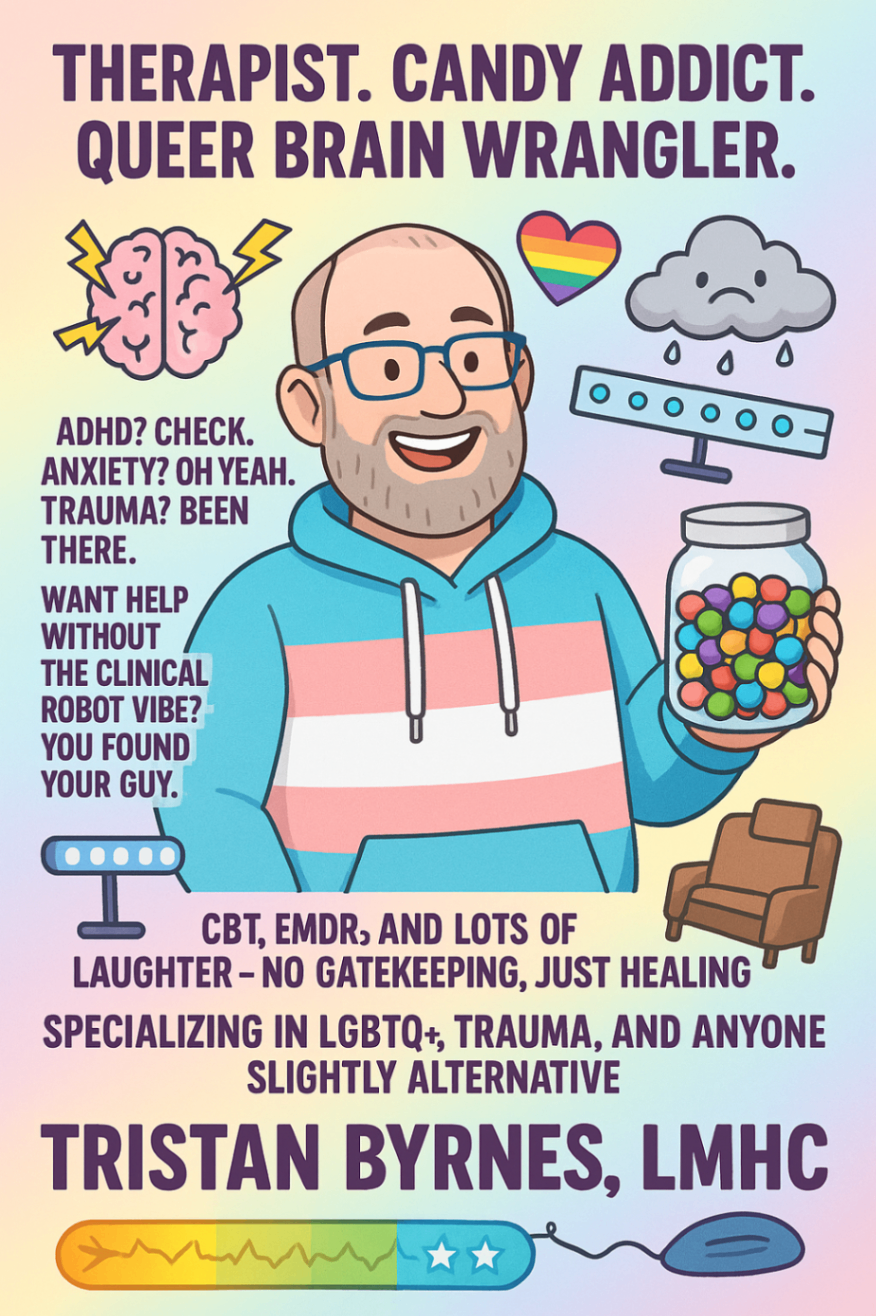
We aren't just a clinic; we’re part of the community. We get it because we live it. Whether you’re looking for EMDR therapy to work through past trauma or just need a space where you don't have to explain the basics of your identity, we’re here.
Therapy can be a vital part of your "Us." It’s a specialized relationship designed to help you clear out the gunk so you can connect more deeply with yourself and others. We offer an alternative, affirming approach because we know that "standard" therapy often misses the nuances of our lived experiences.
The Takeaway
You were never meant to do this alone. The "Power of Us" isn't just a feel-good slogan; it’s a biological and psychological necessity. When we lean into community, when we prioritize joy, and when we support one another, we do more than just survive. We thrive.
So, if you’re feeling a bit isolated or like you’re just "managing" your life rather than living it, reach out. Whether it’s to a friend, a community group, or to us here at Byrnes Counseling Group, remember that your "Us" is waiting for you.
Let’s stop trying to be islands and start being the forest.
If you're ready to start your journey toward thriving, feel free to check out our services or get in touch with us today. We’d love to be a part of your support system.