Welcome to Day 3 of the Authenticity Toolkit week here at Byrnes Counseling Group. So far, we’ve talked about finding the right identity-affirming therapist and how EMDR can help us heal from the unique traumas the world throws at the LGBTQ+ community. Today, we’re pivoting to the heart of how we live, love, and connect: relationship transitions, specifically, the world of Ethical Non-Monogamy (ENM) and polyamory.
If you’ve ever felt like the “standard” relationship model, one house, two people, one dog, and a lifetime of exclusive Netflix-watching, didn't quite fit, you’re not alone. In our community, we’ve been rewriting the rules of engagement for decades. But just because we’re "allowed" to make our own rules doesn’t mean it’s easy. Transitions are messy, and when you add multiple partners, deep emotional processing, and the inevitable Google Calendar synchronization into the mix, things get… complicated.
As a trans-identified therapist running a trans-led practice, I’ve seen firsthand (and lived through) how identity shifts and relationship shifts often go hand-in-hand. When we start living authentically in our bodies or our genders, it’s only natural that we start questioning if our relationship structures are authentic, too.
The Radical Act of Choosing Your Shape
Ethical non-monogamy isn’t just "cheating with a permission slip." It’s a radical commitment to honesty, consent, and self-awareness. Whether you’re looking into "monogamish" arrangements, full-blown polyamory, or relationship anarchy, you’re essentially saying: “I am choosing to build a life based on my needs and my partners' needs, rather than what society told me I should want.”
But here’s the kicker: transitioning from a monogamous mindset to an ENM one is a massive life transition. It requires a total overhaul of how you view security, jealousy, and time management.

Why "Opening Up" Isn't a Quick Fix
Let’s be real for a second. Sometimes, folks want to open up a relationship because things are rocky and they think a new person will provide the "spark" that’s missing. Spoiler alert: that usually ends in a group text nobody wants to be part of.
If you are currently navigating a life transition, opening up the relationship should come from a place of abundance, not a place of repair. You need a solid foundation first. If you’re struggling with communication now, adding more people to the mix is like trying to fix a leaky boat by inviting more people on board, it’s just going to sink faster.
The Communication Foundation (Or, Why Poly People Love Spreadsheets)
There is a joke in the community that polyamory is just "scheduling and processing" with a little bit of sex thrown in occasionally. It’s funny because it’s true. To do ENM well, you have to become a black belt in communication.
- "I" Statements are Your Best Friend: Instead of "You make me feel insecure when you go out," try "I feel a sense of insecurity when we don't have a check-in after your dates. I need a bit of reassurance to feel grounded."
- Boundaries vs. Rules: This is a big one. Rules are often about controlling someone else’s behavior ("You aren't allowed to go to that bar"). Boundaries are about protecting your own peace ("I don’t want to hear graphic details about your dates, as it triggers my anxiety").
- The "Why" Behind the Want: Before you download the apps, sit down with your partner (or yourself) and ask: What am I looking for? Is it more sex? Is it a different kind of emotional connection? Is it a desire to explore a part of my queer identity that I haven't been able to?

Navigating the Identity Shift
When you move into the world of polyamory, your identity changes. You’re no longer just a "husband," "wife," or "partner." You might be a "hinge" in a V-structure, a "metamour" (your partner’s partner), or a "solo poly" individual.
For my trans and non-binary siblings, this transition can be even more profound. Maybe you’re exploring your gender and realizing that your current relationship dynamic doesn't allow space for the "new you" to be fully seen. Or maybe you're realizing that your attraction is broader than you thought.
This is where life transition therapy becomes vital. You aren't just changing your relationship status; you’re changing how you move through the world. It’s okay to grieve the simplicity of monogamy while simultaneously being excited about the freedom of ENM.
Dealing with the "Green-Eyed Monster"
Let’s talk about jealousy. Even the most "enlightened" poly person gets jealous. The difference is how we handle it. In an affirming therapeutic space, we don't see jealousy as a sign that you're "bad at poly." We see it as a data point.
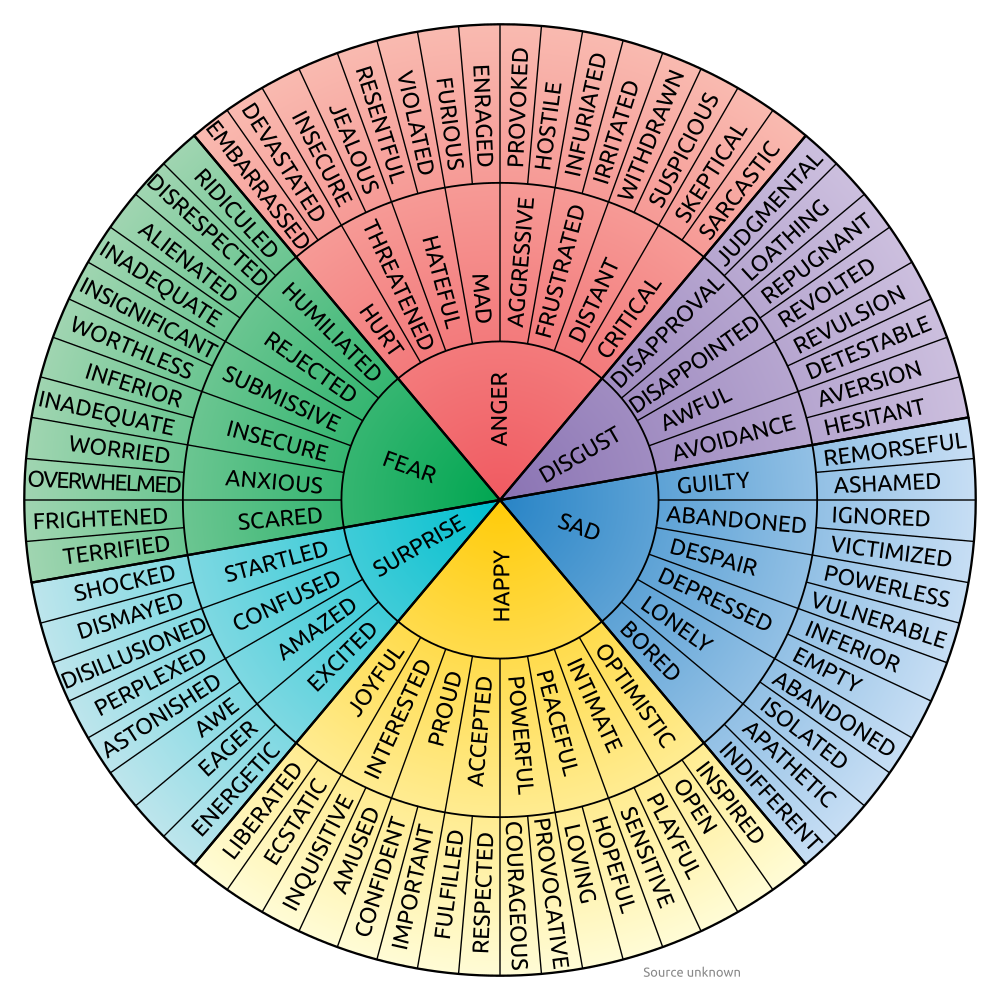
When that feeling of jealousy hits, use a tool like the emotion wheel to dig deeper. Is it actually jealousy? Or is it:
- Fear of abandonment? (I’m worried they’ll find someone "better" and leave me.)
- Envy? (I wish I had the free time/energy to go on dates like they do.)
- Exclusion? (I feel left out of the fun they're having.)
Identifying the actual emotion allows you to ask for what you actually need.
Why You Need a Polyamory Affirming Therapist
There is nothing worse than going to therapy, pouring your heart out about a conflict with your secondary partner, and having the therapist say, "Well, maybe if you were just monogamous, this wouldn't happen."
Ugh. Hard pass.
At Byrnes Counseling Group, we provide polyamory-affirming therapy. This means:
- We don’t view your relationship structure as the "problem."
- We understand the specific terminology and dynamics (kitchen table poly, parallel poly, etc.).
- We recognize that your relationship transitions are valid and deserve support, not judgment.
Whether you’re in Orlando, Miami, or a tiny town in the Panhandle, our telehealth in Florida services allow you to connect with a therapist who actually gets it. You don't have to spend half your session explaining what a "metamour" is; you can get straight to the healing.
Practical Steps for Your Transition
If you're at the beginning of this journey, here’s some "homework" (the fun kind, I promise):
- Read together: Check out books like Polysecure or The Ethical Slut. They are staples for a reason.
- Schedule regular check-ins: Don't wait for a blow-up to talk about how you're feeling. Have a weekly "State of the Union" where you talk about the calendar, your feelings, and any upcoming dates.
- Find your community: Whether it's a local meetup or an online group, talking to people who are also navigating these shifts can make you feel a lot less "crazy."
- Get professional support: Sometimes you need a neutral third party to help you navigate the "clunky" phase of opening up. Our team of therapists is here to help you build that toolkit.
Living authentically means making choices that align with your soul, even if those choices don't look like the ones your parents made. Relationship transitions are a part of that journey. They can be scary, but they can also be incredibly expansive and rewarding.
If you’re ready to explore what authenticity looks like in your relationships, reach out to us at Byrnes Counseling Group. We’re here to support you in every configuration of love and identity you choose to explore.
Stay tuned for tomorrow’s installment of the Authenticity Toolkit, where we’ll be talking about Kink-Aware Care and why your "alternative" dynamics belong in the therapy room. See you then!