
Hey friends. Let’s have some real talk about what happens after the fun is over.
Whether you just finished a heavy impact session, a long night of rope, or even just a particularly intense emotional deep-dive with a partner, there’s that moment when the adrenaline starts to ebb, the endorphins take a bow, and you’re left standing there in the "what now?" phase.
In the kink and BDSM community, we call this "aftercare." But here’s the thing: aftercare isn't just a polite suggestion or a "nice to have" if you’ve got the time. It is a vital, non-negotiable part of the experience. It’s the bridge that brings you back from the stratosphere of a scene down to the solid ground of everyday life.
As a trans-led practice, we talk a lot about safety and affirmation. At Byrnes Counseling Group, we know that for the LGBTQ+ and neurodivergent community, finding spaces where you can be your full, kinky, poly, messy self without judgment is rare. That’s why we’re so big on kink-aware care, because your dynamics deserve to be understood, not pathologized.
So, let’s dive into why those small rituals make such a massive difference and how you can build a checklist that actually works for your brain and body.
The Science of the "Drop" (Or, Why You Suddenly Feel Like Crying)
Ever had a great time and then, two hours later, felt like the world was ending? Or maybe you felt a weird sense of hollowness or irritability? That’s "sub drop" (or top drop, yes, it happens to everyone!).
During a scene, your brain is basically a bartender mixing a high-octane cocktail of adrenaline, endorphins, and dopamine. It feels amazing. But eventually, the bar closes. When those chemicals dip back down to baseline, your nervous system can feel a bit like it’s crashed into a wall.
This is where trauma-informed therapy for LGBTQ+ folks and kinksters really overlaps with the bedroom. If you have a history of trauma or if you’re navigating the world as a marginalized person, your nervous system is already tuned to a higher frequency of "alert." Aftercare is the manual override that tells your brain, "We are safe. The intensity is over. You can power down now."

The Ultimate Aftercare Checklist
Aftercare doesn’t have to be a three-course meal and a spa day (though, if that’s your vibe, go for it). Often, the most effective rituals are the smallest ones. Here’s a checklist to help you and your partners navigate the landing.
1. The Physical Re-Entry
Your body just did a lot of work. Treat it like an athlete finishing a marathon. And for a lot of us, especially if body shame has been part of the background noise for a long time, this is also a good place to practice body neutrality. You do not have to love every inch of yourself to care for yourself well. Aftercare can be about tending to the body you have, as it is, without judgment or performing gratitude like it’s a homework assignment.
- Hydrate: Water is your best friend. Maybe an electrolyte drink if it was particularly sweaty.
- The "Validation Sandwich": If there was impact or physical intensity, some gentle touch or even just a warm blanket can help ground the physical sensations.
- Sugar/Snacks: A little bit of chocolate or fruit can help stabilize your blood sugar after an adrenaline spike.
- Warmth: Our body temperatures often drop after a scene. Fuzzy socks, a hoodie, or a weighted blanket are game-changers.
- Neutral Self-Talk: Try swapping "I look awful" or "my body is too much" for something more grounded like, "My body did a lot today and it deserves care." No gold stars for being mean to yourself, babe.
2. Emotional Grounding
Sometimes you don't need words; sometimes you need all the words.
- The "Check-In": A simple "How are you feeling in your body right now?" goes a long way.
- Reassurance: Especially for those of us with "anxious attachment" styles, hearing things like "I really enjoyed that" or "You did so well" helps stave off the post-scene "shame spiral" that can sometimes creep in.
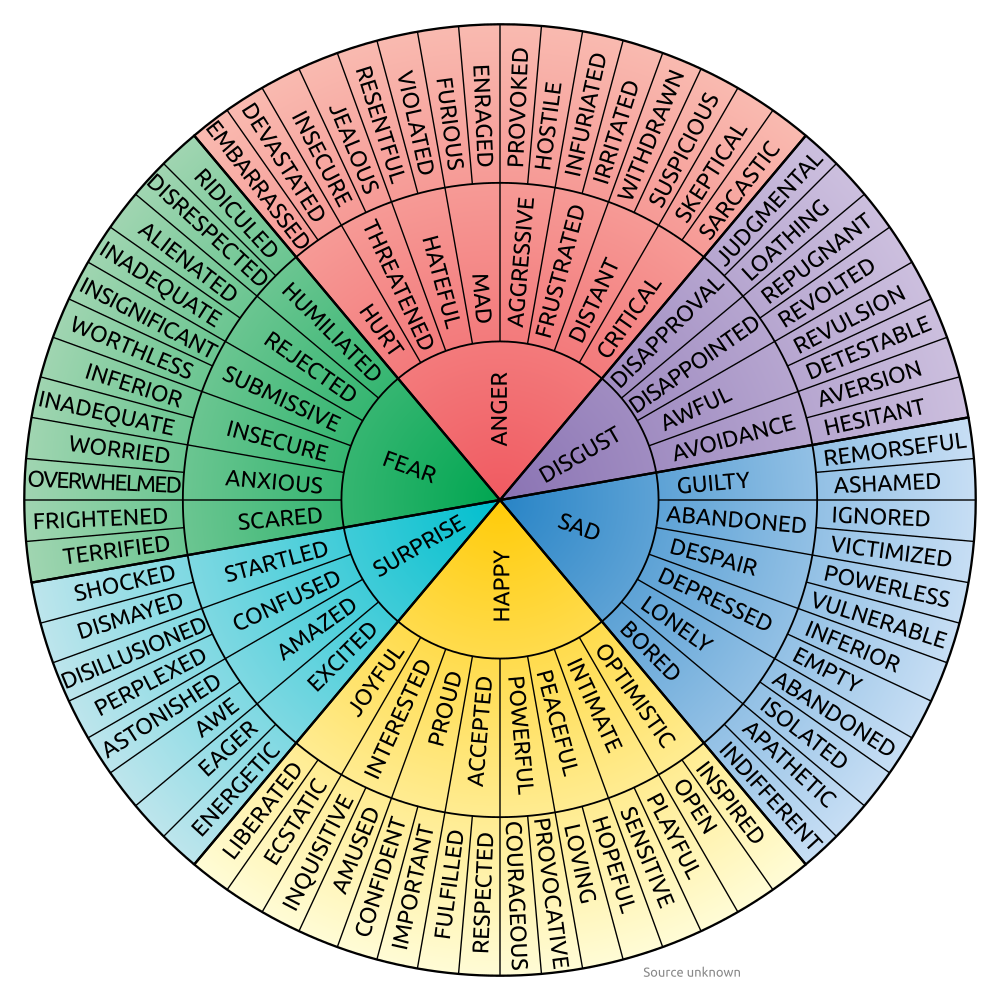
- The Emotion Wheel: Sometimes it’s hard to find words. Using a tool like an emotion wheel can help you pinpoint if you’re feeling "vulnerable," "exhausted," or just "peaceful."
3. Sensory Regulation
For my neurodivergent friends, the sensory transition is everything.
- Low Lighting: Turn off the overheads. Fairy lights or candles only.
- Comfort Media: This is the time for "brain rot" TV. Put on that show you’ve seen twenty times. No new plots, no high stakes.
- Quiet Time: Sometimes "parallel play", where you both sit in the same room on your phones or reading books without talking, is the best aftercare.

Why "Small" is Actually "Big"
You might think, "Tristan, does it really matter if I have a specific brand of juice after a scene?"
The answer is yes. It’s not about the juice; it’s about the ritual.
Rituals create a sense of predictability. When you do the same three things every time you finish a dynamic interaction, you are training your brain to recognize that "The Scene" has ended and "Safe Mode" has begun. For those of us who deal with hypervigilance as protection, these rituals are the anchors that keep us from drifting into a state of anxiety.
In our practice, we see a lot of folks who feel like they have to "mask" their kinks or their relationship structures even in therapy. They worry that if they talk about "sub drop," a therapist might mistake it for clinical depression. But when you work with a kink-aware therapy provider, we know the difference. We know that your "drop" isn't a sign of a broken relationship; it’s just a sign of a human nervous system doing its thing.
When Aftercare Becomes "Self-Care"
Sometimes, aftercare happens solo. Maybe you’re a switch who plays solo, or maybe your partner had to leave shortly after. Solo aftercare is just as important.
It’s about dropping the mask of perfection and letting yourself be needy for a minute. Take the long shower. Use the "good" lotion. Write in your journal about how the power dynamic made you feel.
If you find that your "drops" are becoming harder to manage, or if you’re struggling to communicate your aftercare needs to your partners, that’s where we can help. Navigating ethical non-monogamy and kink adds layers of communication that most "standard" relationship advice just doesn't cover.
Bringing it into the Therapy Room
You don't have to leave your leather, your lace, or your polycule at the door when you come to see us. Whether you’re processing a scene that went a little sideways or you just want to talk about how your identity as a trans person intersects with your submissive side, we’re here for it.
We believe that the lived experience matters in therapy. You shouldn't have to spend the first twenty minutes of your session explaining what "TTP" or "aftercare" means. You deserve to start where you are.
So, this week, as you explore your dynamics, I want you to challenge yourself: What is one small ritual you can add to your aftercare checklist? Maybe it’s a specific song, a specific snack, or a specific way you ask for a hug.
Take care of each other, and more importantly, take care of yourselves. You’re worth the effort it takes to land softly.

If you’re looking for a space to talk about any of this: the high highs, the low lows, and everything in between: reach out. We’ve got a cozy blue armchair with your name on it (metaphorically, or literally if you’re in Florida!). You don't have to carry this alone.