You know that specific feeling when you walk into a room and you don’t have to explain your existence? It’s like a physical weight lifting off your shoulders. You don’t have to define your pronouns for the tenth time, you don’t have to explain why you’re fidgeting with a coaster, and you definitely don’t have to give a 20-minute lecture on why certain words feel like sandpaper on your brain.
In the world of therapy, we call this "shared lived experience." But in the real world, we call it a relief.
As a trans-identified therapist and the co-founder of Byrnes Counseling Group, I’ve spent a lot of my life: and my career: navigating the gap between how the world expects us to communicate and how we actually do it. For the queer and neurodivergent community, communication isn't just about the words we say. It’s about a complex, beautiful, and often unspoken language that exists right under the surface of "normal" conversation.
The Performance of "Normal"
Most of us have spent years perfecting a performance. We’ve learned to make just the right amount of eye contact (even if it feels like staring into the sun), we’ve mastered the art of small talk (even if we’d rather be discussing the lore of a 90s cult classic), and we’ve learned to modulate our voices so we don't sound "too much" or "too flat."
In clinical terms, this is often called "masking." In the queer community, it’s often just called "survival."
When you come into a space that is trans-led and neuro-affirming, that performance is the first thing we want you to leave at the door. We aren’t interested in whether you can mimic neurotypical social cues. We’re interested in what you’re actually trying to tell us.
Info-Dumping is a Love Language
Let’s talk about "info-dumping." In many professional or social settings, if you start talking for ten minutes straight about your latest hyperfixation: whether it’s transition milestones, the history of underground queer clubs, or why a specific video game character is definitely neurodivergent: people might check their watches.
But in our spaces? Info-dumping is a love language. It’s a way of saying, "I trust you enough to show you what makes my brain light up."
When we lean into lived experience marketing, we’re telling you that we get it. We know that for many neuro-spicy folks, sharing knowledge is how we build intimacy. It’s direct, it’s passionate, and it’s honest. In a therapy session at Byrnes, your passions aren't "distractions" from the work; they are the work. They are the keys to understanding how you process the world.
The Sensory Subtext
Communication isn't just auditory; it's sensory. If you’re sitting in a therapy office with buzzing fluorescent lights and a scratchy wool chair, your brain is busy screaming about the environment. You aren't "resisting" therapy; you’re being overstimulated.
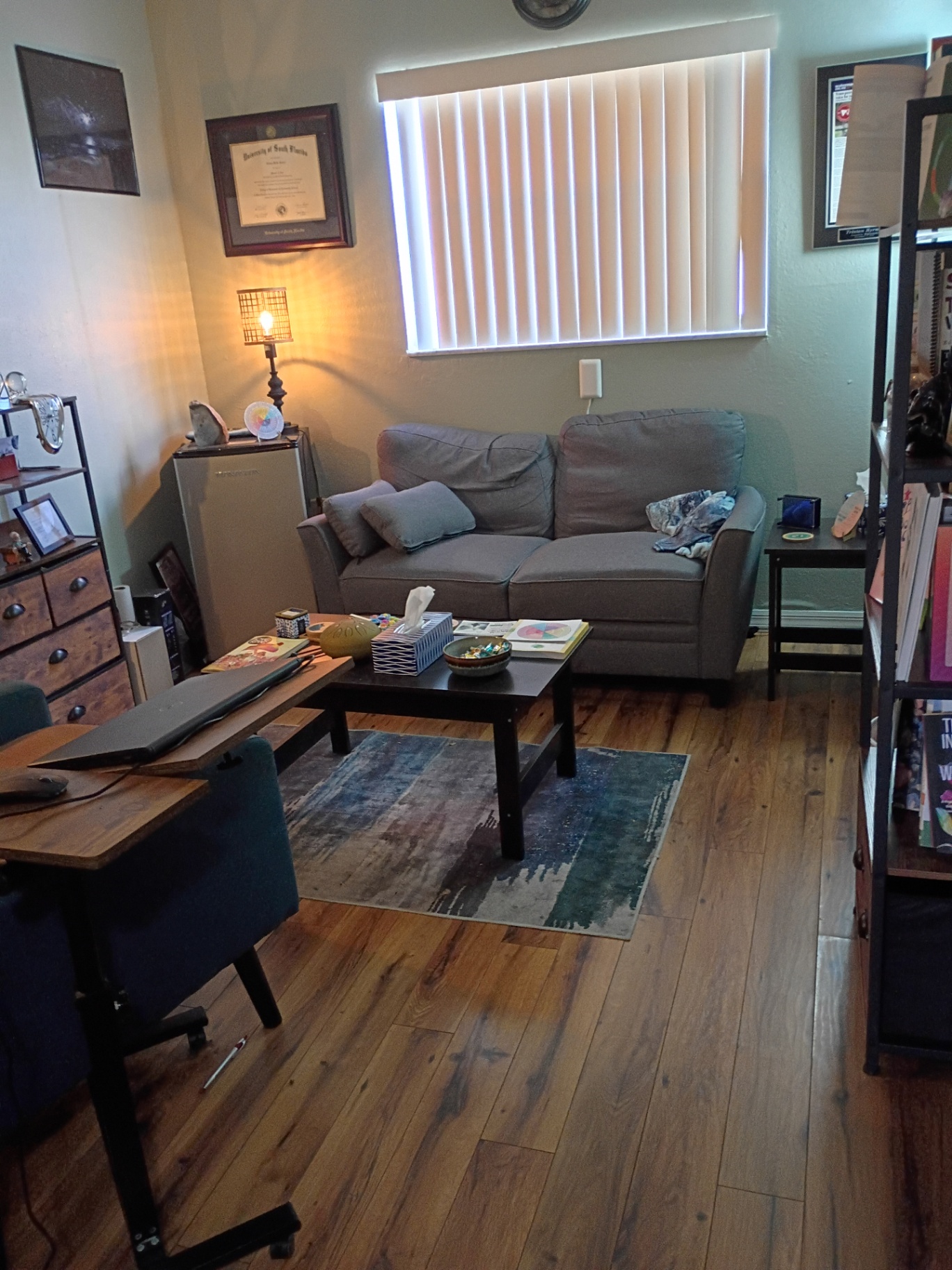
We understand that "the unspoken language" includes the environment. That’s why we’ve curated our physical and virtual spaces to be as accommodating as possible. Whether it’s the soft lighting in our cozy therapy offices or the understanding that you might need to turn your camera off during a telehealth session because "looking" is too much work today: we see you.
Sometimes, the most important communication in a session is the silence that happens while someone regulates their nervous system. That silence isn't "empty." It’s a necessary part of the conversation.
The "Double Empathy Problem"
There’s this old, outdated clinical idea that neurodivergent people lack empathy or "struggle with communication." It’s a load of nonsense, honestly.
What’s actually happening is something called the "Double Empathy Problem." It’s the idea that communication breakdowns happen because two people have different ways of experiencing the world, not because one person is "broken."
When a neurotypical therapist expects a queer, neurodivergent client to communicate "normally," the burden of bridge-building falls entirely on the client. That’s exhausting. It’s what I like to call the "Trans 101 Tax": the emotional labor you have to pay just to get your therapist up to speed on your basic humanity.
At Byrnes Counseling Group, we’ve already built the bridge. Because we share these identities, we’re starting from a place of mutual understanding. We don't need you to translate your experience into "standard" English. We speak your language.
Directness as Radical Kindness
In many cultures, "polite" communication involves a lot of subtext, hinting, and "reading between the lines." For many of us in the LGBTQ+ and neurodivergent communities, this is a nightmare.
We tend to value directness. We say what we mean, and we mean what we say. In the queer community, this often manifests as "reading" or "spilling tea," but in a therapeutic sense, it’s about clarity.
There is a radical kindness in being direct. When we tell a client, "I hear that you're struggling with X, and here is how I think we can help," we aren't being blunt; we’re being clear. We’re removing the guesswork that causes so much anxiety in our daily lives. This directness allows us to dive deeper into things like EMDR therapy or trauma processing without the fluff.

Non-Verbal Cues and the Queer "Vibe Check"
Think about the "nod" you give another queer person in a grocery store. There’s a whole paragraph of communication in that one-second gesture: I see you, you’re safe, we’re the same, carry on.
Our therapy sessions often involve these kinds of non-verbal cues. It’s the way we react when you talk about "gender euphoria" or the specific exhaustion of "masking" at a family dinner. We don't just hear the words; we feel the vibe.
This is why meeting our therapists feels different. You aren't meeting a blank slate or a clinical robot. You’re meeting a human who has had to navigate the same confusing social scripts that you have.
Dropping the Mask
The ultimate goal of acknowledging this unspoken language is to give you permission to drop the mask.
When you realize your therapist isn't judging your lack of eye contact, your need to use a fidget toy, or your "unusual" way of describing your feelings, something shifts. You stop performing "Client" and start being "You."
That’s where the real healing happens. It’s hard to work on your trauma or your anxiety when 90% of your brain power is dedicated to making sure you’re sitting in a way that looks "normal."
Join the Conversation (In Whatever Way Works for You)
Whether you communicate through literal language, art, long-form emails, or quiet observation, there is a place for you here. We aren't here to teach you how to fit into a world that wasn't built for you. We’re here to help you navigate it while staying firmly rooted in who you are.
If you’re tired of paying the "Trans 101 Tax" and you’re looking for a space where your unspoken language is finally understood, we’d love to chat. You don't have to have the perfect words ready. You just have to show up as you are.
Ready to start? You can check out our FAQ to see how we work, or head straight to our contact page to set up a time to talk. We’re ready whenever you are.
No performance required. Just you.
Byrnes Counseling Group is a trans-led practice dedicated to providing affirming, lived-experience-informed care for the LGBTQ+ and neurodivergent community. To learn more about our story, visit our About Us page.