I spent years in the "client" chair before I ever sat in the "therapist" chair. And let me tell you, those years were… interesting. Mostly frustrating, occasionally helpful, but often deeply exhausting.
If you’re a member of the LGBTQ+ community, or if your brain is wired a bit differently (shoutout to my fellow neurodivergent folks), you probably know the exact exhaustion I’m talking about. It’s the feeling of walking into a therapy office, looking at the beige walls and the therapist’s neutral "clinical" face, and realizing within five minutes that you are going to have to spend the next three sessions: and a significant chunk of your paycheck: explaining your basic existence to them.
This is what I call the "unpaid educator" phase of therapy. It’s when you have to explain what "non-binary" actually looks like in daily life, or why your ADHD isn’t just a "focusing problem" but a complete sensory and emotional experience.
When Christy and I started Byrnes Counseling Group, we didn’t do it because we thought the world needed another clinical, detached mental health factory. We did it because we were tired. We did it because we wanted to build the practice I needed when I was struggling. We wanted a trans-led, community-informed space where you don’t have to check your identity at the door.
The Gap Between "Competent" and "Connected"
There’s a word that gets thrown around a lot in the therapy world: Competence. Therapists are told to be "culturally competent." They take a weekend seminar, read a pamphlet about the "alphabet soup" of our community, and suddenly they put a rainbow sticker on their window and call themselves an ally.
But there is a massive, yawning chasm between a therapist who is "competent" and a therapist who has lived experience.
Lived experience means I’m not just reciting a textbook definition of gender dysphoria. It means I know the specific, prickly anxiety of walking into a public space when you don’t feel safe. It means I understand the nuance of navigating family dynamics when "coming out" isn’t a one-time event, but a lifelong process.
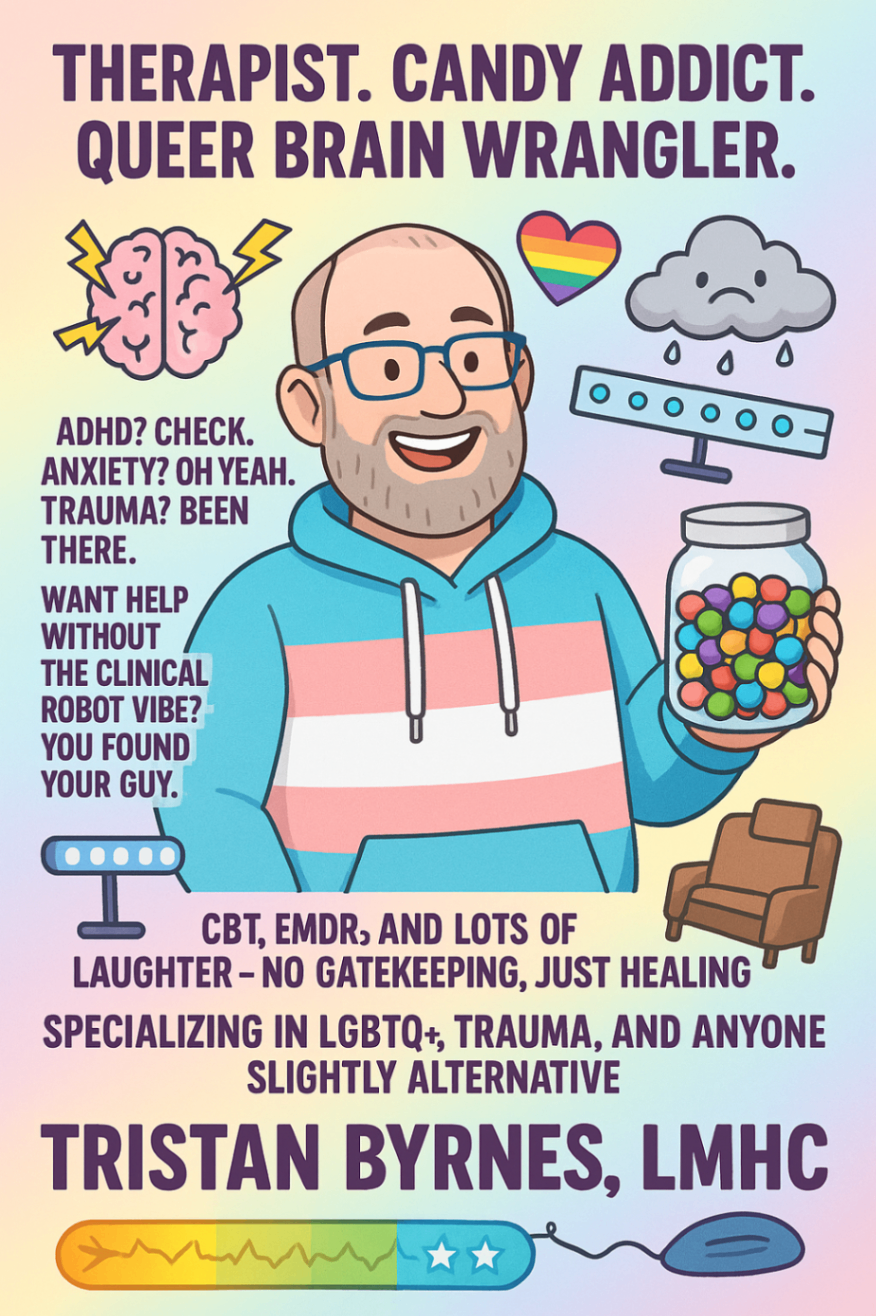
When you work with a therapist who shares your lived experience, the air in the room changes. You don't have to hold your breath. You don't have to wonder if they’re judging your lifestyle or if they’re secretly trying to "fix" something that isn't broken. You can just… be.
The Practice I Needed: No Gatekeeping, Just Support
One of the biggest hurdles in trans healthcare is gatekeeping. For too long, the therapeutic relationship has been built on a power dynamic where the therapist holds the keys to your transition or your self-actualization.
I remember thinking, Why does it have to be this way? Why can’t therapy be a collaboration instead of an interrogation?
At Byrnes Counseling Group, we lean hard into the story you claim. We believe that you are the expert on your own life. Our job isn't to tell you who you are; it’s to provide the tools and the safety for you to figure that out for yourself. Being a trans-led practice isn't just a marketing slogan: it’s the foundation of how we view every single person who walks through our doors. It means we’ve been on the other side of the desk, and we know how much courage it takes to show up.
Dropping the "Neurodivergent Mask"
The same logic applies to neurodivergence. If you’ve spent your whole life trying to "act normal": which is essentially just a full-time job that pays zero dollars and causes massive burnout: the last thing you need is a therapy session where you have to keep masking.
If I tell a "clinically trained only" therapist that I can’t do the dishes because the sound of the water makes me want to crawl out of my skin, they might suggest a chore chart. If you tell us, we get it. We know that it’s not just about "trying harder". We know the weight of the "ADHD tax" and the sensory overwhelm that comes with just existing in a world built for neurotypicals.
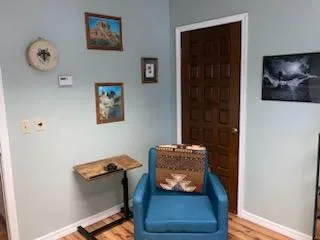
In the practice I needed, fidget toys wouldn't be "distractions": they’d be tools. Stimming wouldn't be "weird": it would be regulated. And the radical act of being "good enough" would be the goal, rather than some unattainable standard of perfection.
Why Lived Experience is a Clinical Powerhouse
Research actually backs us up on this (though community members have known it forever). When patients see themselves reflected in their providers, outcomes improve. Trust is built faster. You don't have to spend the first six months of therapy explaining the basics, which means you can get to the real work: the healing, the processing, and the growth: much sooner.
Here is what lived experience brings to the table that a degree alone can’t:
- Intuitive Empathy: We don't have to "imagine" what it’s like to be marginalized; we know the physical sensation of it.
- Shared Shorthand: There is a language within the queer and neurodivergent communities. When you use it, we don't need a dictionary. We catch the subtext.
- Reduced Stigma: It is incredibly hard to feel "broken" when the person sitting across from you has navigated similar struggles and is sitting there, whole and thriving, helping you do the same.
- Trauma-Informed Care that Actually Works: We understand that trauma isn't just a big "event": it's often the slow, grinding microaggressions of a society that wasn't built for us.

Building Your Own "Practice You Need"
If you are currently looking for support, I want you to know that you are allowed to be picky. You are allowed to ask a therapist, "What is your experience with the trans community?" or "How do you support neurodivergent adults without trying to make them neurotypical?"
You deserve a space where you don't feel like a case study. You deserve the kind of therapy that feels like a deep exhale.
Whether you’re dealing with high-functioning anxiety or trying to figure out which flavor of ADHD is currently running your life, having a guide who knows the terrain makes all the difference.
We built Byrnes Counseling Group to be a lighthouse for our community. We aren't just observers; we are members. We are your neighbors, your friends, and your peers.

Let’s Stop the "Trans 101" Tax
Next Monday, I’m going to dive deeper into what I call the "Trans 101 Tax": the literal and emotional cost of having to educate your providers. But for today, I just wanted to share the why behind what we do.
We are here because we know that representation matters. We are here because we know that when you feel seen, you can finally start to heal.
If you’re tired of the clinical mask and the "beige" therapy experience, we’d love to welcome you into a space that was literally built for you. No explanations required. Just show up as you are. We’ve got the fidget toys, the affirming vibes, and the lived experience to back it all up.
Check out our LGBTQ category for more resources, or if you're ready to see what a community-led practice feels like, reach out. We’re here, we’re queer (and neurospicy!), and we’re ready to help.