
If you’re reading this, there’s a good chance you’re tired. Not just "I stayed up too late scrolling TikTok" tired, but a deep, soul-level exhaustion. It’s the kind of fatigue that comes from living your life as if it’s a court case where you’re the defendant, the lawyer, and the key witness all at once.
For many trans women, identity feels less like a state of being and more like a permanent debate. You’re constantly asked: by the news, by your family, or by that loud, critical voice in your own head: to provide "proof" of your womanhood. You’re looking for evidence, checking your childhood memories for clues, and monitoring your posture in the grocery store as if one "wrong" move will disqualify you.
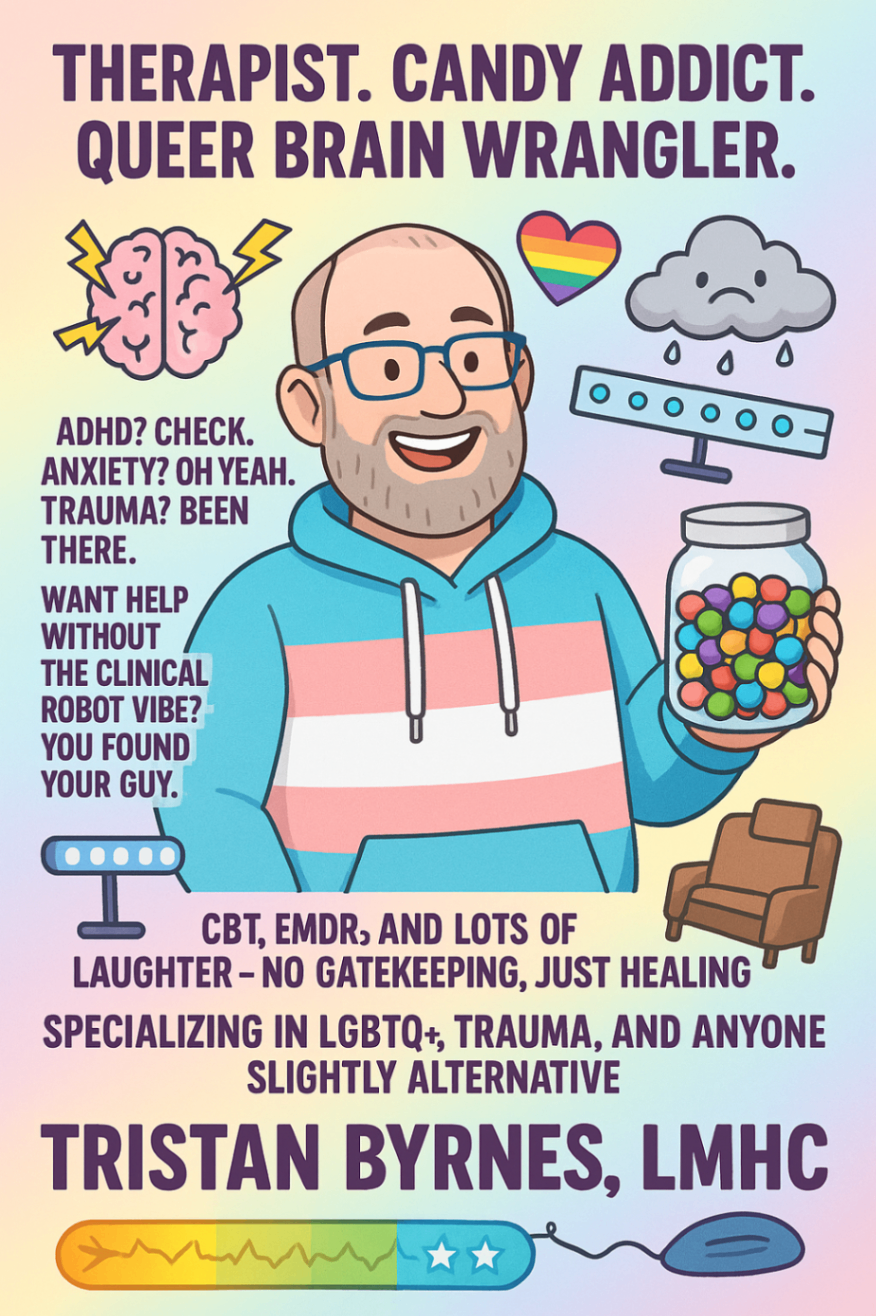
I’m Tristan Byrnes, and as a trans-identified therapist and the founder of Byrnes Counseling Group, I’ve sat in both chairs. I’ve lived the internal split, and I’ve spent years helping my community navigate it. That’s why I created the Trans Woman Identity Integration Workbook: A Reflective Guide for Trans Women Navigating Identity and Belonging.
This isn't just another clinical worksheet. It’s a sneak peek into a new way of existing: one where you finally get to stop arguing for your right to be here.
The Internal Split: When Two Worlds Collide
The workbook invites you to reflect on what I call the "Internal Split." It’s that quiet, persistent conflict that’s so hard to put into words.
On one side, you have your Internal Knowing. It’s that deep-rooted sense of self that has likely been there since you were small, even if you didn't have the words for it then. On the other side, you have Societal Messages. These are the years of being told what a woman is "supposed" to be, who is "allowed" to claim that space, and what biological or social boxes you have to tick to be considered legitimate.
When these two forces hit each other, it creates a fracture. Part of you knows exactly who you are, but another part: the part that wants to be safe and accepted: questions if you’re "allowed" to know.
https://byrnescounselinggroup.com/my-journey-of-transition-and-advocacy
We spend so much time trying to resolve this tension by winning an argument. We think if we can just find the perfect rebuttal to the transphobes (internal or external), we’ll finally feel "real." But here’s the secret: you can’t argue your way into peace. Integration doesn’t happen because you won the debate; it happens because you stopped showing up to the courtroom.
"Born a Man" vs. "Assigned Male at Birth"
One of the heaviest weights we carry is the sentence: "I was born a man."
It’s a phrase that has been repeated so often by the media and medical systems that it starts to feel like an objective truth. But in the first chapter, the workbook invites you to challenge that. When you say, "I was born male," notice what happens in your body. Usually, there’s a tightening in the chest or a sense of being trapped by history. It feels like a permanent, unchangeable stamp.
Now, try saying this instead: "I was assigned male at birth."
Do you feel the shift? It’s subtle, but it’s massive. "Born male" is a statement about your essence. "Assigned male" is a statement about a bureaucratic event. It refers to an observation made by someone else: a doctor, a parent, a system: based on limited information.
Identity is about your lived experience; assignment is about their classification. When we shift our language, we move the authority back to ourselves. You aren't "overcoming" your birth; you are integrating your truth with a history that simply didn't have the full story yet.
The "Real Woman" Barstool: A Moving Target
We’ve all seen the goalposts move. If you define womanhood by biology, what about cis women who can't have children? If you define it by childhood socialization, what about women who grew up as "tomboys" or were raised in different cultures?
The standards for being a "real woman" are often applied exclusively and strictly to trans women while being hand-waved for everyone else. It’s an internal hierarchy that we’ve been forced to learn.
In our practice, we see how this hierarchy fuels anxiety and self-doubt, especially when the political climate is hostile. Whether you're struggling with Florida’s anti-LGBTQ laws or just trying to navigate a family dinner, the pressure to perform "perfect" womanhood is exhausting.
The workbook encourages you to ask: Who taught me this definition? And does this definition actually serve my joy, or is it just a cage?
Your Internal Critic is a (Bad) Bodyguard
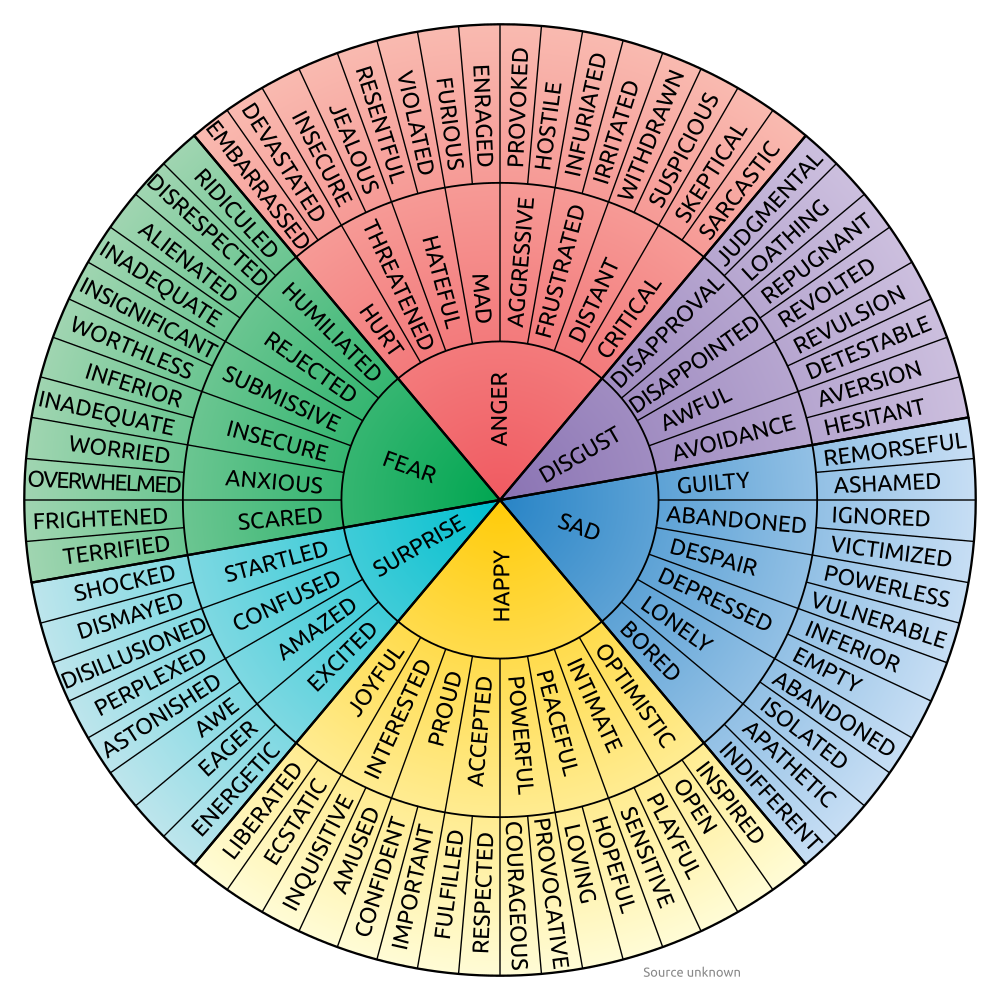
I like to use a bit of humor when talking about our "internalized transphobia." Think of that voice in your head that says, "You’re not really a woman," as a very stressed-out, very incompetent bodyguard.
That voice often formed in moments of danger: moments where being seen or being different felt unsafe. It thinks that if it rejects you first, it can protect you from being rejected by the world. It’s trying to keep you safe by keeping you small.
But shame isn't evidence of truth; it’s a symptom of exposure to rigid systems. Your doubt isn't "proof" that you're an imposter. It’s proof that you live in a world that hasn't always been kind to people like us.

Grieving the Girlhood You Didn't Have
One of the core reflections in the workbook is "Developmental Grief."
Many trans women feel "behind" because they didn't get to experience the milestones of girlhood. There’s a mourning for the prom dresses, the slumber parties, and the simple safety of being mirrored as a girl by your peers.
Sometimes, people think that grieving these things means you’re questioning your identity. It’s actually the opposite. You grieve it because it mattered. Grieving your missing girlhood doesn't make you "less than." It makes you a human who is completing their development in a different sequence. You aren't late; you’re just on your own timeline.
We often talk about this in therapy: how to find "corrective experiences" now, in adulthood, that allow you to feel that same sense of belonging and mirroring. Whether it's through finding your chosen family or just allowing yourself to enjoy the things you were "denied," healing is possible.
Existing Without Argument
The ultimate goal of the Trans Woman Identity Integration Workbook is summed up in its closing reflection: Allowing yourself to exist without argument.
Imagine waking up and not needing to "prove" your gender to yourself before you brush your teeth. Imagine your identity feeling less like a political statement and more like the color of your eyes: something that just is.
Integration isn't about reaching a state of 100% certainty where you never have a bad day again. It’s about reducing the intensity of the internal debate until it’s just background noise. It’s about moving from a defensive posture to an embodied one.

How to Use the Workbook
This guide is meant to be read slowly. It’s a space for reflection, grief, and nervous system settling. You can work through it on your own, or you can bring it into your sessions with a therapist who truly gets it.
If you’re looking for that kind of support, our team at Byrnes Counseling Group is here. We specialize in LGBTQ+ affirming therapy because we know that lived experience makes all the difference. You shouldn't have to explain the basics of your humanity to the person who is supposed to be helping you heal.
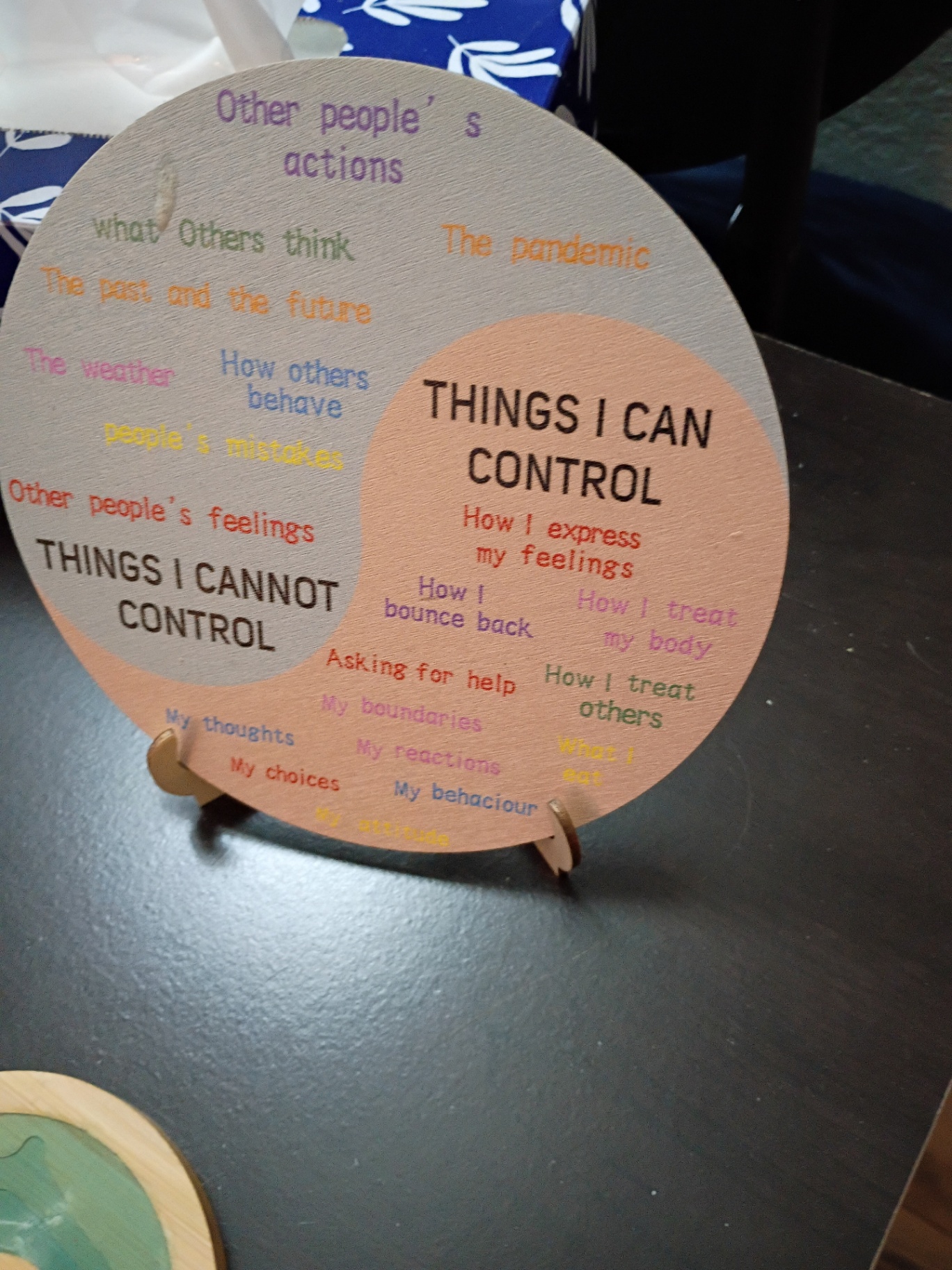
You don’t need to win an argument to exist. You already exist. You were assigned, you survived, and now, you get to just be.
Ready to start your integration journey? Keep an eye on our site for the full release of the Trans Woman Identity Integration Workbook. In the meantime, take a deep breath, drop your shoulders, and remind yourself: Your identity is an alignment, not an argument.