Consent stays central
Clear, ongoing consent is not a one-time conversation. Therapy can help you notice where agreements are working, where they are unclear, and how to talk about change with care.
POLYAMORY-AFFIRMING THERAPY
A place to talk about your relationships without having to explain why consensual non-monogamy exists before you can get support.
Polyamory, open relationships, and ethical non-monogamy can hold a lot of care, possibility, and connection. They can also bring up questions that deserve room: how to make agreements that feel real, how to ask for reassurance without controlling someone, what to do when time feels scarce, or how to handle a change that one person is ready for before another.
At Byrnes Counseling Group, polyamory therapy is not about deciding that one relationship structure is healthier than another. It is a place to look honestly at what is happening in your life and relationships, with a therapist who understands that consent, communication, chosen family, identity, and connection can all be part of the picture.
Many people have had the experience of seeking help for grief, conflict, anxiety, trauma, or a difficult transition, only to find that the conversation gets stuck on whether their relationship structure itself is the problem. That can leave very little room for the thing that actually brought them in.
You should not have to teach a therapist the difference between polyamory and cheating, explain why everyone involved knows about a relationship, or prove that your boundaries count. The work can stay focused on the questions that matter to you: a recurring fight, a rupture in trust, an old wound that gets louder when a partner dates someone new, a hard choice, or the hope of building something more sustainable.
Clear, ongoing consent is not a one-time conversation. Therapy can help you notice where agreements are working, where they are unclear, and how to talk about change with care.
Love, sex, commitment, friendship, parenting, money, time, and community do not always line up neatly. Your relationships do not need to look simple to deserve thoughtful support.
Jealousy, grief, relief, excitement, insecurity, and anger can all have something to say. They do not need to become a verdict on you or your relationships.
Appointments are available in Pinellas Park, with telehealth across Florida and Pennsylvania for people who need support to fit around work, caregiving, and daily life.
There is no universal set of rules for a healthy relationship. What works for one polycule, couple, or person may not work for another. Therapy can create enough space to separate what you actually want from what you feel pressured to accept, avoid, or perform.
Sometimes the work is directly about polyamory. Sometimes it is about anxiety, burnout, grief, a family conflict, or a past experience that makes intimacy feel more complicated. Your relationship structure can be part of the context without becoming the only story we tell about your life.
Jealousy is often treated as proof that something has gone wrong, or as a feeling someone should simply get over. Neither response is very helpful. It can point to a fear of being replaced, a need for more time or clarity, an agreement that is not working, a loss that needs to be grieved, or an old experience that gets activated when connection feels uncertain.
Therapy can help you slow the spiral down. Together, we can look at what happens before a fight, what you are trying to protect, how you ask for reassurance, and what would make an agreement feel more trustworthy. That does not mean every feeling needs to become a rule for someone else. It means feelings deserve curiosity before they turn into shame, blame, or silence.
Conflict can also be a sign that the logistics have outgrown the conversations. A relationship may need clearer expectations around calendars, communication, disclosure, finances, parenting, sex, privacy, or who gets included in a decision. Naming the practical piece can make an emotional problem feel less impossible to solve.
You do not need to arrive with every partner present or with a polished explanation of what is happening. Individual therapy can be a useful place to understand your own patterns, decide what you want to ask for, prepare for a conversation, or make sense of a difficult transition. It can also help when you are questioning whether a relationship still feels mutual, safe, or workable.
If relationship therapy may be appropriate, a consultation is a practical place to talk about the people involved and the kind of support you are looking for. The point is not to force consensus or make everyone feel the same. It is to make more room for honesty, accountability, and choices that respect everyone's agency.
Relationship stress is rarely only about relationships. Trauma, neurodivergence, disability, family history, money, identity, discrimination, and past therapy experiences can shape what feels safe to ask for or what your nervous system does when closeness changes. A conversation about a partner's date may also be a conversation about grief, belonging, self-worth, or an old survival strategy.
Byrnes Counseling Group is a trans-led practice offering therapy for LGBTQ+, gender-expansive, neurodivergent, kinky, polyamorous, and relationship-diverse adults. That means you can bring your full context into the room. You do not have to flatten your relationships into a story that makes other people more comfortable before you can be understood.
YOUR CARE TEAM
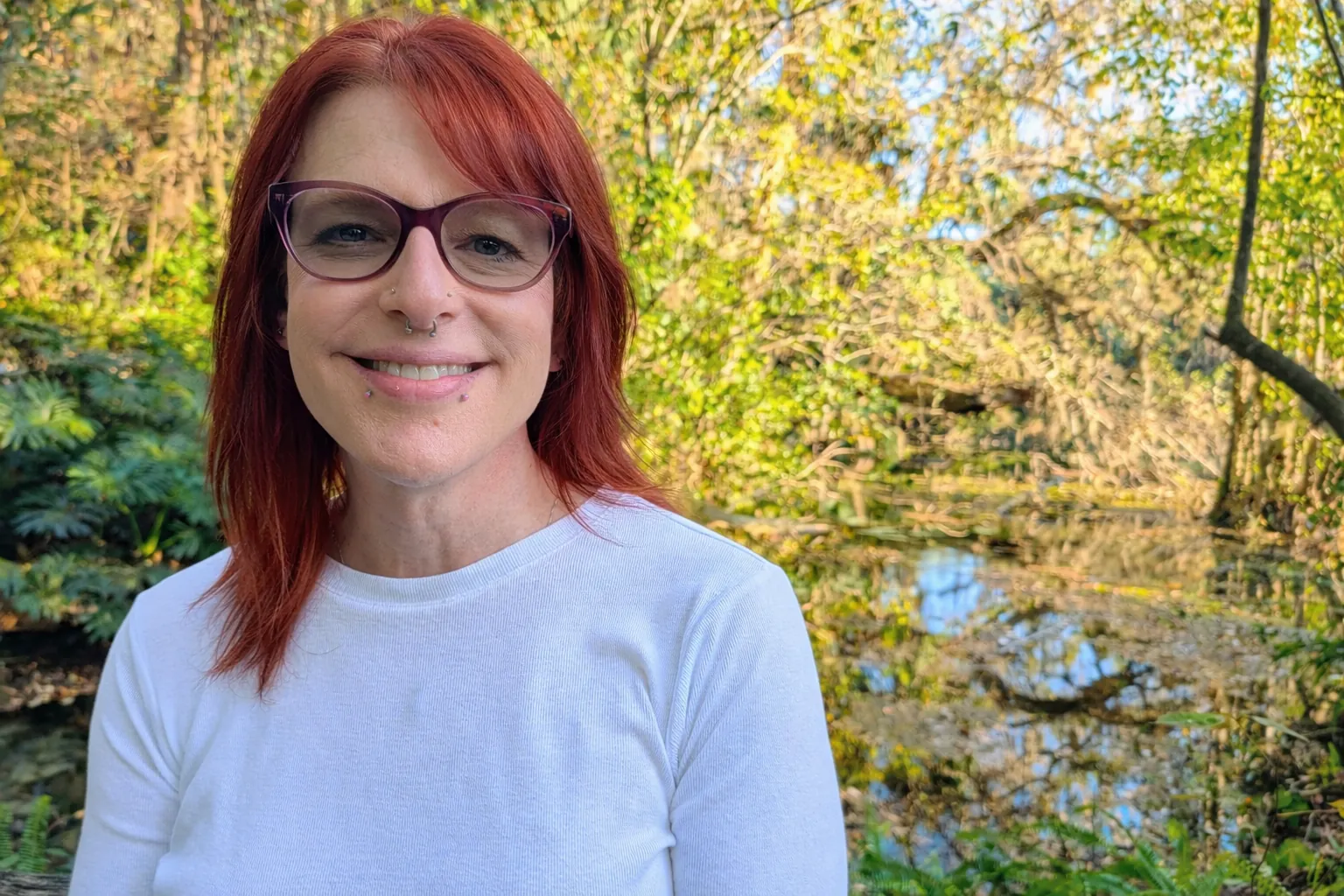
Tristan Byrnes, LMHC, and Christy Wolf, Registered Mental Health Counselor Intern, offer collaborative, person-centered therapy for adults navigating relationships, identity, trauma, anxiety, and life transitions.
Meet the therapistsA free consultation is a low-pressure place to ask practical questions and see whether the practice feels like a fit. You can share as much or as little as feels useful. Some people want to know whether the therapist has experience with polyamory or open relationships. Others want to ask about insurance, telehealth, scheduling, or whether individual therapy or relationship-focused support makes more sense.
You do not need to have the right terminology, a final decision, or a full history ready. The first conversation is not a test of whether your relationships are complicated enough, healthy enough, or explainable enough. It is a chance to talk about what is feeling hard and whether this is a place where you can bring it honestly.
Yes. Byrnes Counseling Group offers affirming therapy for adults in polyamorous, open, ethically non-monogamous, kinky, and other relationship-diverse communities. You do not need to defend consensual non-monogamy before talking about what is difficult.
Not necessarily. Some people come to individual therapy to understand their needs, work through jealousy, make a decision, or change an old relationship pattern. When relationship therapy is appropriate, a consultation is a good place to ask what options may fit your situation.
Yes. Jealousy can carry useful information about fear, grief, comparison, unmet needs, boundaries, time, trust, or a past wound. Therapy is not about judging the feeling or using it to decide that your relationship structure is wrong. It can help you understand what is underneath and respond with more care.
Therapy can give you room to slow down and talk honestly about hopes, concerns, agreements, and capacity. The goal is not to persuade you toward opening up or closing down. It is to help you make decisions that are informed, consensual, and grounded in what matters to the people involved.
Yes. Byrnes Counseling Group offers in-person appointments in Pinellas Park and telehealth across Florida and Pennsylvania. A consultation can help you discuss which format is workable and whether the practice feels like a fit.
The practice accepts several insurance plans, including Aetna, Cigna, Optum/UnitedHealthcare, UMR, Carelon, Tricare, VA, Oscar, and Meridian. Coverage varies by clinician and plan, so it is worth confirming benefits before scheduling.
START WITH A CONVERSATION
A free 15-minute consultation is a low-pressure place to ask questions, talk about what you need, and decide whether Byrnes Counseling Group feels like a fit.
Book a free consult